Titanium Forming and Bending Machinery
Service: Forming & Bending

Precision Titanium
Forming & Bending Services

Custom forming, bending, rolling, and shape-control support for titanium plates, sheets, tubes, rods, and fabricated components. Hele Titanium helps buyers review material grade, bend radius, spring-back, tolerance, surface condition, inspection, and downstream assembly requirements.

Spring-Back Control Bend Radius Review Sheet & Tube Forming Assembly Fit-Up

Titanium Forming Requires Spring-Back & Process Control

Titanium has excellent strength, corrosion resistance, and elastic recovery, but these same properties make forming and bending more sensitive than common metals. Spring-back, bend radius, wall thickness, grain direction, tooling marks, and material condition can all affect final geometry.

Hele Titanium reviews each forming project based on material grade, thickness, tube diameter, bend angle, radius, tolerance, surface requirements, downstream welding or assembly needs, and inspection scope before recommending a forming route.

Spring-Back Must Be Managed

Titanium tends to recover after bending, so bend angle, tooling, material condition, and process route should be reviewed before production.

Material Condition Affects Formability

Grade, thickness, tube diameter, surface condition, temper, and bend radius all influence forming feasibility and final part accuracy.

When to Choose Titanium Forming & Bending Services

Forming and bending services are useful when titanium parts need controlled angles, curved profiles, rolled shapes, tube bends, or assembly-ready geometry based on technical drawings.

Controlled Bend Radius

Best For

Titanium sheets, plates, brackets, covers, housings, and components requiring defined bend angles or bend radius.

Typical Support

Bend radius review, tooling selection, spring-back consideration, and dimensional check.

Buyer Note

Please provide bend angle, inside radius, material thickness, and critical dimensions.

Curved / Rolled Components

Best For

Curved plates, rolled sheets, cylindrical sections, shells, covers, and large-radius titanium components.

Typical Support

Rolling review, radius control, surface protection, and post-forming inspection.

Buyer Note

Large-radius forming depends on material size, thickness, radius, and available tooling.

Tube & Profile Bending

Best For

Titanium tubes, pipes, profiles, supports, frames, and flow-related components.

Typical Support

Tube diameter review, wall thickness check, bend radius assessment, and deformation control.

Buyer Note

Tube bending feasibility depends on diameter, wall thickness, radius, and wrinkle / ovality requirements.

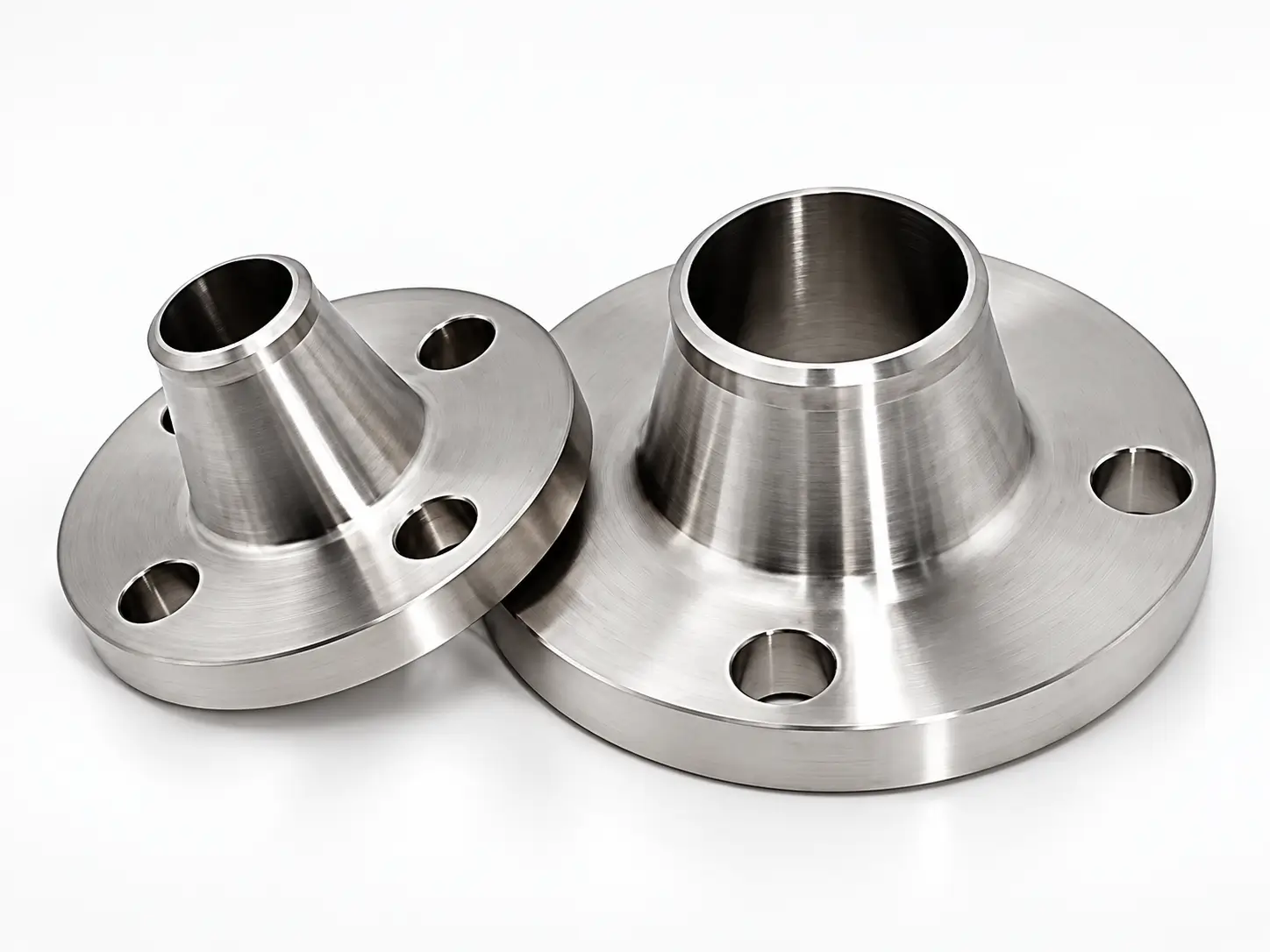
Assembly-Ready Formed Parts

Best For

Parts that must connect with machined, welded, or fabricated assemblies.

Typical Support

Fit-up review, tolerance planning, inspection, post-forming machining, and welding coordination.

Buyer Note

Downstream assembly requirements should be shared before forming review.

Titanium Forming & Bending Capabilities

Hele Titanium supports forming and bending for titanium sheets, plates, tubes, rods, profiles, and fabricated components based on drawing requirements, material behavior, and downstream assembly needs.

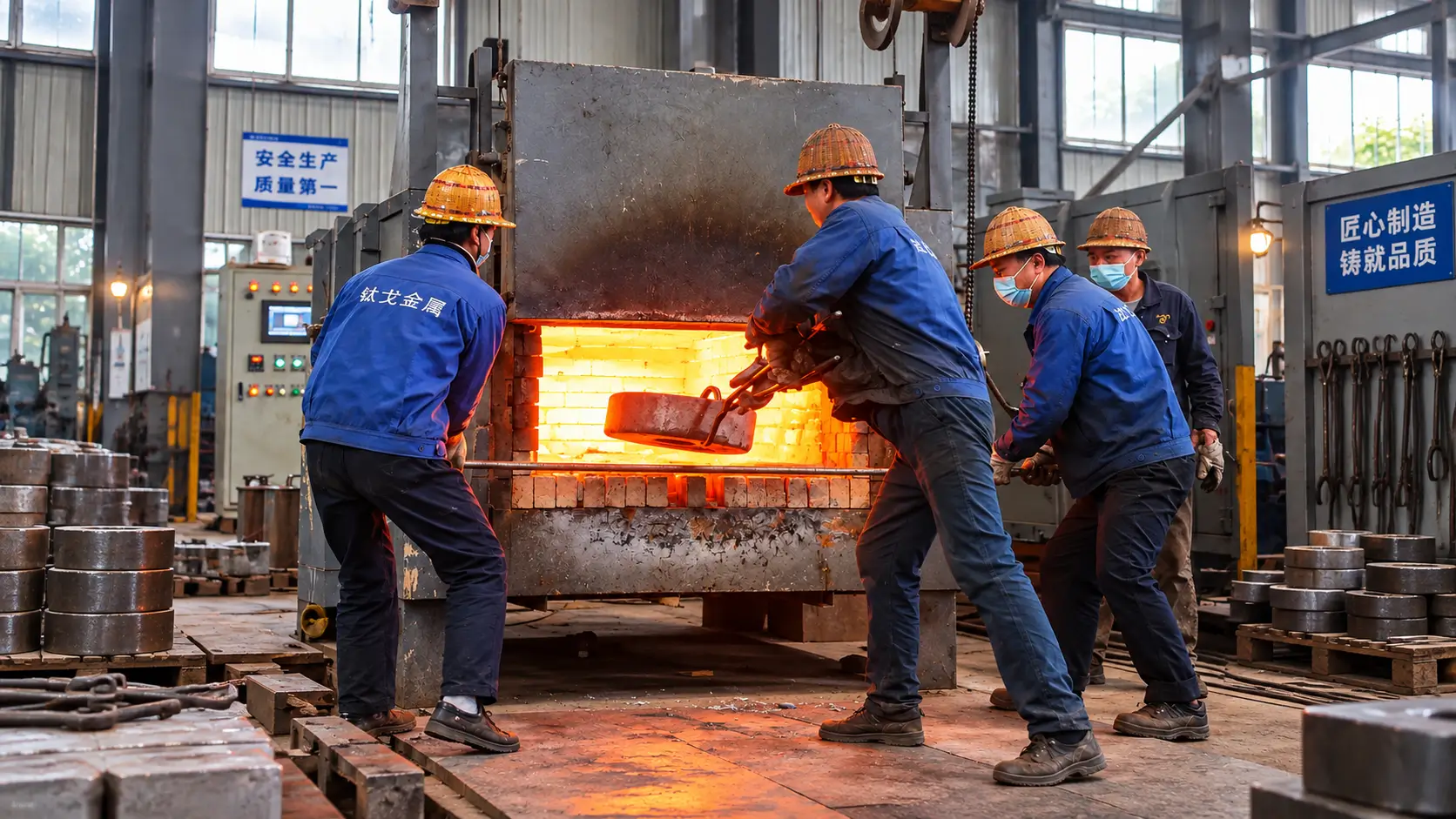
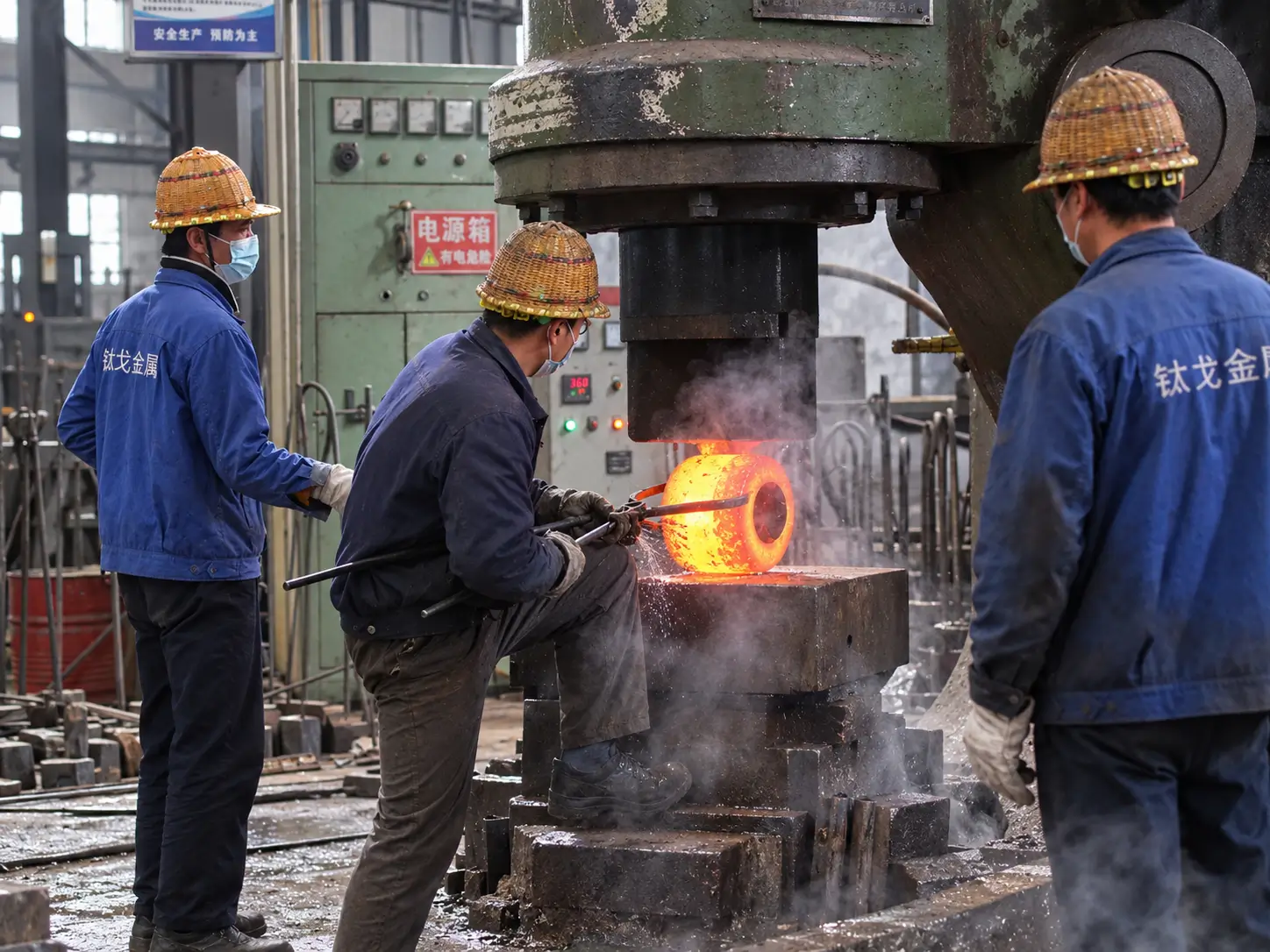
Forming & Bending Processes

From Flat Material to Controlled Geometry

  • Press brake bending for titanium sheets, plates, brackets, covers, and formed components.
  • Rolling and curved forming for cylindrical sections, covers, shells, and large-radius components.
  • Tube and profile bending support for titanium tubes, frames, flow parts, and assembly components.
  • Post-forming coordination with CNC machining, welding, surface treatment, and inspection when required.

Technical Review Factors

Bend Radius, Spring-Back, and Fit-Up Control

  • Review material grade, thickness, diameter, bend radius, angle, tolerance, and tooling access.
  • Consider spring-back, grain direction, surface condition, deformation risk, and fit-up requirements.
  • Check downstream welding, machining, coating, surface treatment, and documentation needs.
  • Recommend a forming route based on drawings, quantity, geometry, and application conditions.
Titanium Quality Inspection

Rigorous Metrology

Ensuring every bend meets exact geometric tolerances.

Formed Part Quality & Documentation

For titanium forming and bending projects, quality control should match the drawing, bend geometry, surface requirement, downstream assembly, and documentation needs.

Dimensional Verification

Formed parts can be checked against agreed drawing dimensions, bend angles, radius requirements, and critical features.

Bend Radius & Angle Review

Bend angle, inside radius, forming direction, and spring-back results can be reviewed according to project requirements.

Surface Condition Check

Surface marks, scratches, tooling contact, and finish requirements can be reviewed before and after forming.

Fit-Up & Assembly Review

Formed components can be checked for downstream welding, machining, mounting, or assembly interface requirements.

Batch Consistency Records

Inspection notes, material records, packing list, and project-specific documents can support repeat supply and customer acceptance.

Supported Titanium Grades & Forms

Formability depends on material grade, thickness, temper, tube diameter, bend radius, surface condition, and tolerance requirement. Hele Titanium reviews material and geometry before recommending a forming route.

Commercially Pure Titanium

Often selected for corrosion-resistant formed parts, chemical components, anode hardware, marine parts, and general industrial titanium components.

Common Considerations

Thickness, bend radius, surface condition, forming direction, and corrosion-service requirements.

Titanium Alloys

Titanium alloys may be used for higher-strength components, but formability should be reviewed based on grade, geometry, and application requirements.

Common Considerations

Spring-back, bend radius, tooling, heat sensitivity, tolerance, and post-forming process route.

Tubes, Sheets & Profiles

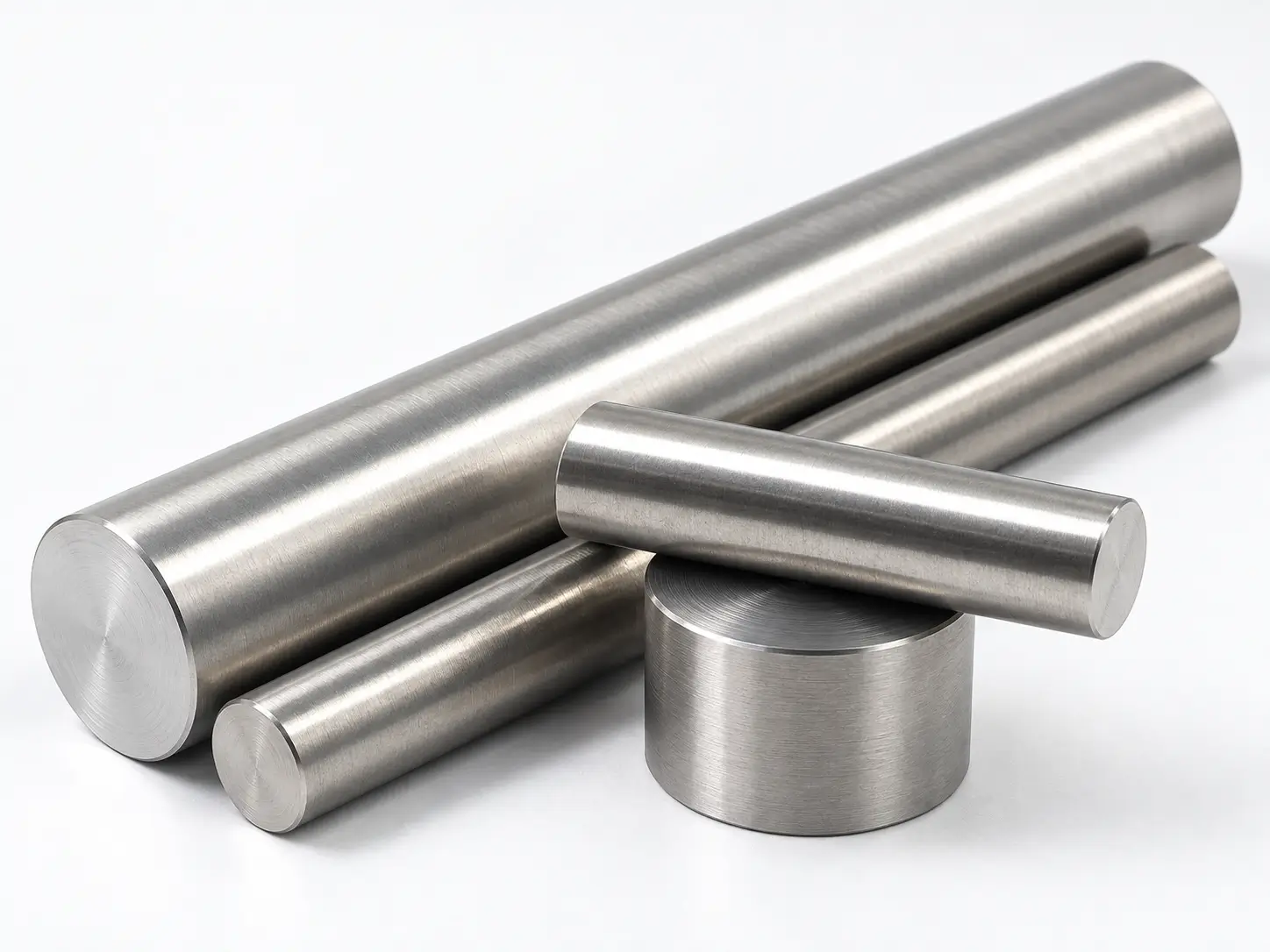
Titanium sheets, plates, tubes, rods, and profiles can be reviewed for bending, rolling, forming, and assembly-ready component production.

Common Considerations

Material form, wall thickness, diameter, length, bend angle, radius, and downstream fit-up needs.

Material Note: Final formability depends on material grade, thickness, temper, bend radius, tube diameter, tooling, surface condition, quantity, and tolerance requirement.

Request Material & Formability Review

Formed Titanium Components for Critical Applications

Hele Titanium supports formed and bent titanium components for industries where corrosion resistance, weight control, fit-up accuracy, and documentation matter.

Aerospace & Lightweight Engineering

Aerospace & Lightweight Engineering

Formed titanium components, lightweight brackets, covers, prototypes, and engineered parts for weight-sensitive applications.

Relevant Support

Titanium grade review, bend radius review, inspection, surface finish support.

Medical & Research Components

Medical & Research Components

Formed titanium parts for research equipment, instruments, prototype assemblies, and development-stage components.

Relevant Support

Material review, controlled forming, surface finish planning, documentation support.

Hydrogen & Energy Systems

Hydrogen & Energy Systems

Formed titanium components for PEM-related structures, frames, covers, supports, and energy system hardware.

Relevant Support

Material selection, forming, fit-up review, surface treatment, inspection records.

Chemical Processing

Chemical Processing

Formed titanium plates, sheets, and components for chemical equipment, corrosion-service systems, and fabricated assemblies.

Relevant Support

CP titanium review, forming, bending, post-forming cleanup, documentation.

Need a formed titanium part?

Send drawings, material grade, thickness, bend radius, and inspection requirements for review.

Contact Engineering

Common Titanium Forming & Bending Questions

Quick answers to help buyers prepare titanium forming, bending, rolling, inspection, and documentation requirements.

What information is needed for a titanium forming quotation?
Please provide drawings, material grade, thickness, tube diameter, bend angle, bend radius, tolerance, quantity, surface requirement, and downstream assembly needs.
How do you manage titanium spring-back during bending?
Spring-back is reviewed based on titanium grade, thickness, bend radius, tooling, forming method, and tolerance requirements. Final route depends on the drawing and part geometry.
Can you bend titanium tubes, sheets, and profiles?
Titanium sheets, plates, tubes, rods, and profiles can be reviewed for forming or bending based on material grade, size, wall thickness, radius, and tooling feasibility.
What bend radius is suitable for titanium?
Suitable bend radius depends on grade, thickness, material condition, forming direction, part geometry, and surface requirements. Please share drawings for review.
Can formed titanium parts be welded or machined after bending?
Yes. Post-forming support may include CNC machining, welding, surface treatment, cleaning, inspection, and documentation based on project requirements.
What documents can be provided with formed titanium parts?
Available documents may include material records, inspection notes, dimensional reports, datasheets, packing lists, and project-specific quality documents.

What We Need for a Forming Review

To recommend the right forming route, tooling approach, tolerance plan, and inspection scope, please share as much technical information as possible.

1. 2D / 3D Drawings

PDF drawings, STEP files, CAD models, bend drawings, flat patterns, or samples if available.

2. Material Grade

Commercially pure titanium, titanium alloy, Grade 5 / Ti-6Al-4V, or other required titanium grade.

3. Material Form & Size

Sheet, plate, tube, rod, profile, blank size, tube diameter, wall thickness, length, and thickness.

4. Bend Angle & Bend Radius

Required bend angle, inside radius, outside radius, roll radius, curvature, and forming direction.

5. Tolerance & Critical Dimensions

Critical features, fit-up areas, mating surfaces, holes, slots, sealing surfaces, and assembly interface dimensions.

6. Surface Condition & Finish Requirement

Raw surface, polished surface, brushed finish, scratch sensitivity, tooling mark limit, or surface protection requirement.

7. Downstream Process Needs

Post-forming CNC machining, welding, surface treatment, coating preparation, assembly, or inspection.

8. Quantity & Project Stage

Prototype, sample, low-volume batch, repeat order, OEM production, or replacement part.

9. Inspection & Documentation Requirements

Dimensional report, material records, inspection notes, datasheets, packing list, or project-specific QC documents.

Manufacturing Inquiry

Send Your Drawings — We’ll Review Formability and Lead Time

Upload your bend drawings, CAD files, or forming requirements, and our engineering team will review material grade, spring-back risk, bend radius, tooling feasibility, tolerance control, surface condition, and lead time before production.

  • Titanium Formability Review
  • Spring-Back & Bend Radius Assessment
  • Post-Forming Machining / Welding Support
  • Inspection & Documentation Support

Prefer email?

sales@heletitanium.com

HQ: Room 1206, Building 1, Huaxia Yue World

Supported formats: PDF, JPG, PNG, STEP, IGES, STL, DWG (Max 20MB)

Supported formats: PDF, JPG, PNG, STEP, IGES, STL, DWG (Max 20MB)

We typically respond within 24 hours.