Iridium Oxide Coated Titanium Anodes for Oxygen Evolution Applications
IrO₂-based titanium anodes engineered for oxygen evolution, acidic electrolysis, electrochemical oxidation, water treatment, electrowinning, cathodic protection, and high-stability industrial electrochemical systems.
IrO₂ Coated Titanium Anodes Engineered for Oxygen Evolution Conditions
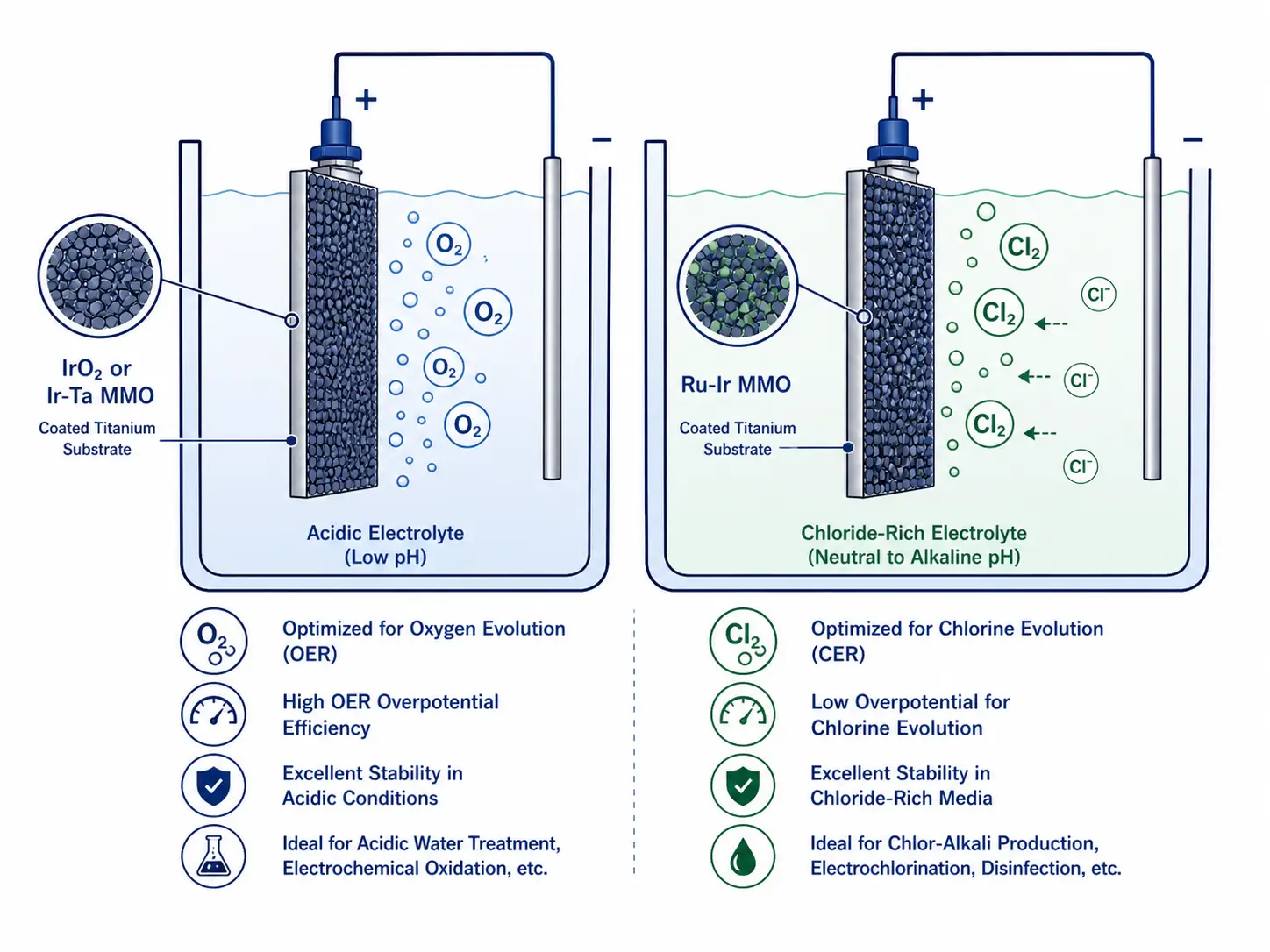
Oxygen evolution is not the same as chlorine evolution.
IrO₂-based coating must match electrolyte chemistry, current density, pH, temperature, and design life.
Iridium oxide coated titanium anodes are commonly selected for oxygen evolution and high-stability anodic reactions. However, coating performance depends on electrolyte composition, acidity, current density, temperature, cell geometry, operating hours, and expected design life.
Hele Titanium reviews real operating conditions before recommending IrO₂-based coating systems, coating loading, titanium substrate form, anode geometry, connection method, and documentation scope. We support custom mesh, plate, tube, rod, and electrode assembly designs according to project requirements.
Oxygen Evolution Focus
Review IrO₂-based coating systems for oxygen evolution, electrochemical oxidation, and acidic electrolysis conditions.
Current Density Matching
Review current density, surface area, electrolyte condition, and operating hours before coating selection.
Geometry-Based Design
Customize mesh, plate, tube, rod, ribbon, or mixed structures according to cell design and installation space.
XRF / ALT Support
XRF, ALT, coating records, or other verification can be supported when required.
Coating Selection
Based on oxygen evolution
Current Density Review
Matched to operating conditions
Batch Documentation
Records based on order requirements
When Should You Choose Iridium Oxide Coated Titanium Anodes?
IrO₂ coated titanium anodes are best suited for oxygen evolution, acidic electrolyte stability, electrochemical oxidation, electrowinning, water treatment, and selected cathodic protection systems. They are not usually the first choice when chlorine evolution is the dominant reaction.
Oxygen Evolution Applications
Choose IrO₂ coated titanium anodes when oxygen evolution reaction, OER stability, and long-term coating durability are the main requirements.
Acidic & Sulfate Electrolytes
IrO₂-based coatings are suitable for acidic, sulfate-based, low-chloride, and oxidation-focused electrochemical systems.
Electrochemical Oxidation & Water Treatment
Iridium oxide anodes are used in water treatment, advanced oxidation, electrowinning, electrorefining, and selected industrial oxidation processes.
Custom OER Anode Design
Coating formulation, PGM loading, active area, substrate geometry, and connection design can be customized according to current density, electrolyte chemistry, voltage range, and service life.
Best Fit vs Not the First Choice
Best Fit For
- Oxygen evolution reaction, OER
- Acidic electrolyte systems
- Sulfate-based electrolytes
- Electrowinning and electrorefining
- Electrochemical oxidation
- Water treatment and advanced oxidation
- Selected cathodic protection systems
- Low-chloride or non-chloride electrochemical systems
- OEM electrolytic cells requiring durable oxygen-evolution anodes
Not the First Choice For
- Chlorine-dominant NaCl electrolysis
- Sodium hypochlorite generators
- Salt chlorination systems
- Seawater electrolysis focused on chlorine production
- Brine electrolysis where chlorine evolution is the main target
- Fluoride-containing electrolytes without coating review
- Reverse polarity operation
- Excessive current density beyond coating design
Buyer Note
If chlorine evolution is the dominant reaction, Ru-Ir MMO coating is usually a better starting point. If oxygen evolution, acidic electrolyte stability, or electrochemical oxidation is the main requirement, IrO₂-based coating should be reviewed.
IrO₂-Based Titanium Anode Coating Options
Iridium oxide coatings can be adjusted or combined with other mixed metal oxides to match oxygen evolution, acidic electrolysis, electrochemical oxidation, and application-specific stability requirements.
| Coating System | Dominant Reaction | Typical Applications | Key Review Parameters |
|---|---|---|---|
| IrO₂ Coated Titanium | Oxygen evolution / anodic oxidation | Electrolysis, water treatment, wastewater oxidation, acidic systems | Electrolyte chemistry, current density, pH, temperature, and design life |
| Ir-Ta MMO Coating | Oxygen evolution / high-stability anodic reactions | Cathodic protection, acidic electrolysis, water treatment, electrowinning | Current output, environment, acidity, service life, coating loading |
| Ir-Mn / Ir-Based Mixed Oxide | Project-specific anodic oxidation | Special electrochemical oxidation, water treatment, research or pilot systems | Reaction type, electrolyte, voltage, current density, and testing requirements |
| Custom Ir-Based MMO Coating | Application-specific | OEM systems, custom reactors, special electrochemical equipment | Process chemistry, current density, substrate form, geometry, and verification scope |
Important Buyer Note
Final coating selection should be reviewed according to the target reaction, electrolyte chemistry, current density, temperature, pH, and expected design life.
Typical Iridium Oxide Coated Titanium Anode Specifications
IrO₂ coated titanium anodes can be customized according to oxygen evolution conditions, electrolyte chemistry, substrate form, dimension, coating area, current density, connection method, and system design. The table below provides typical specification categories for reference only.
IrO₂-based coating,
Ir-Ta MMO, or project-specific iridium oxide mixed coating
MTC, coating record, XRF / ALT record when required, packing list
Important Note: Final specifications should be confirmed according to electrolyte chemistry, pH, temperature, current density, operating hours, and design life requirements. The parameters listed are typical and customizable based on specific project requirements and are provided for reference only.
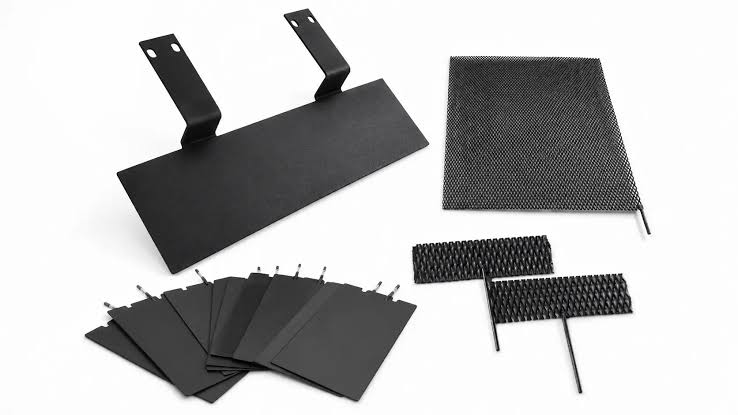
Iridium Oxide Coated Titanium Anodes by Form & Geometry
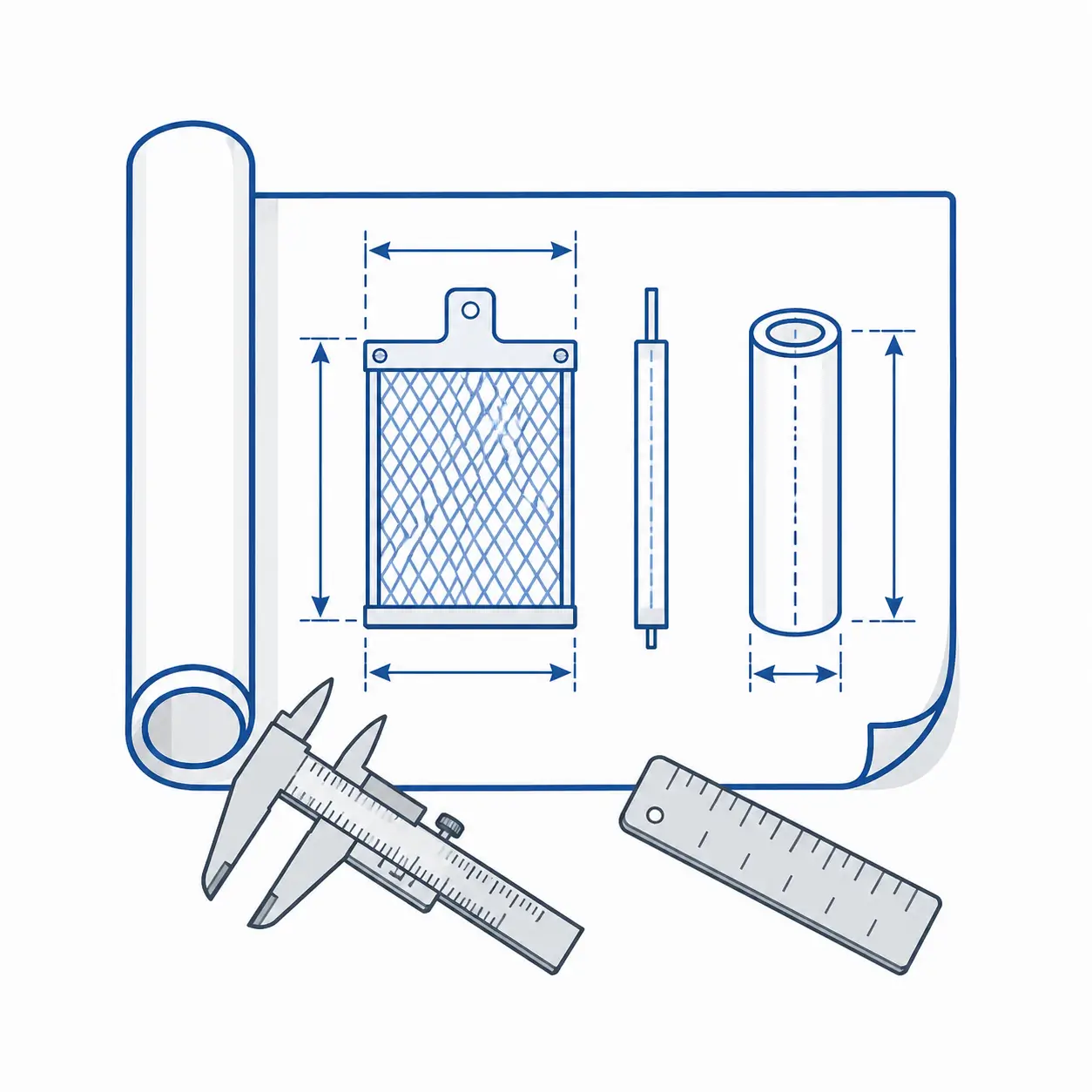
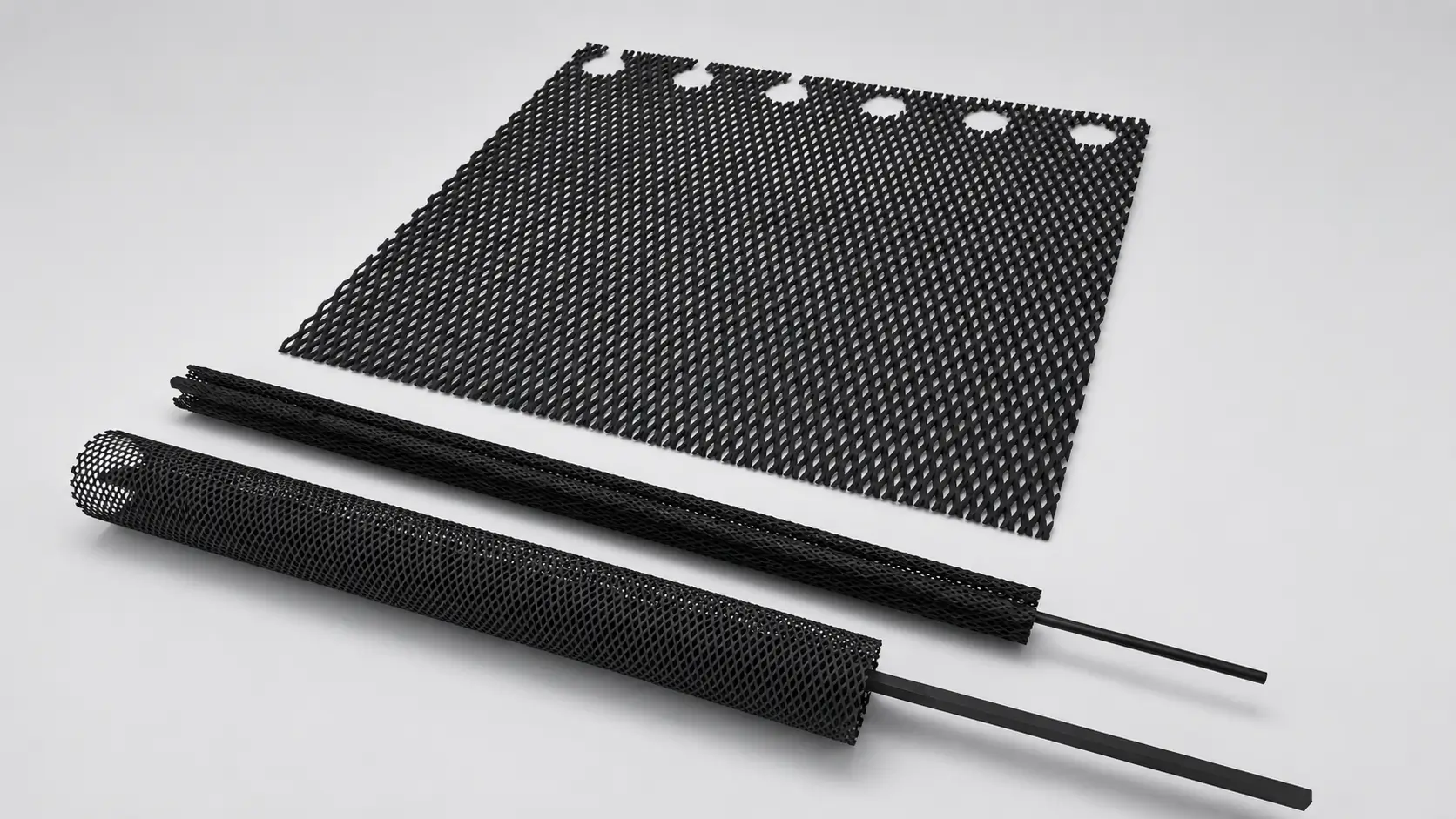
Anode geometry affects active surface area, oxygen release, current distribution, electrolyte flow, installation space, and maintenance access. Hele Titanium can manufacture IrO₂ coated titanium anodes in standard and custom forms according to oxygen evolution, electrochemical oxidation, water treatment, electrowinning, cathodic protection, and laboratory system requirements.
IrO₂ Mesh Anodes
High surface area, electrochemical oxidation, water treatment, oxygen evolution cells, and flow-through electrochemical reactors.
Mesh opening, thickness, coating area, frame, tab, connection, active surface area, and electrolyte flow path.
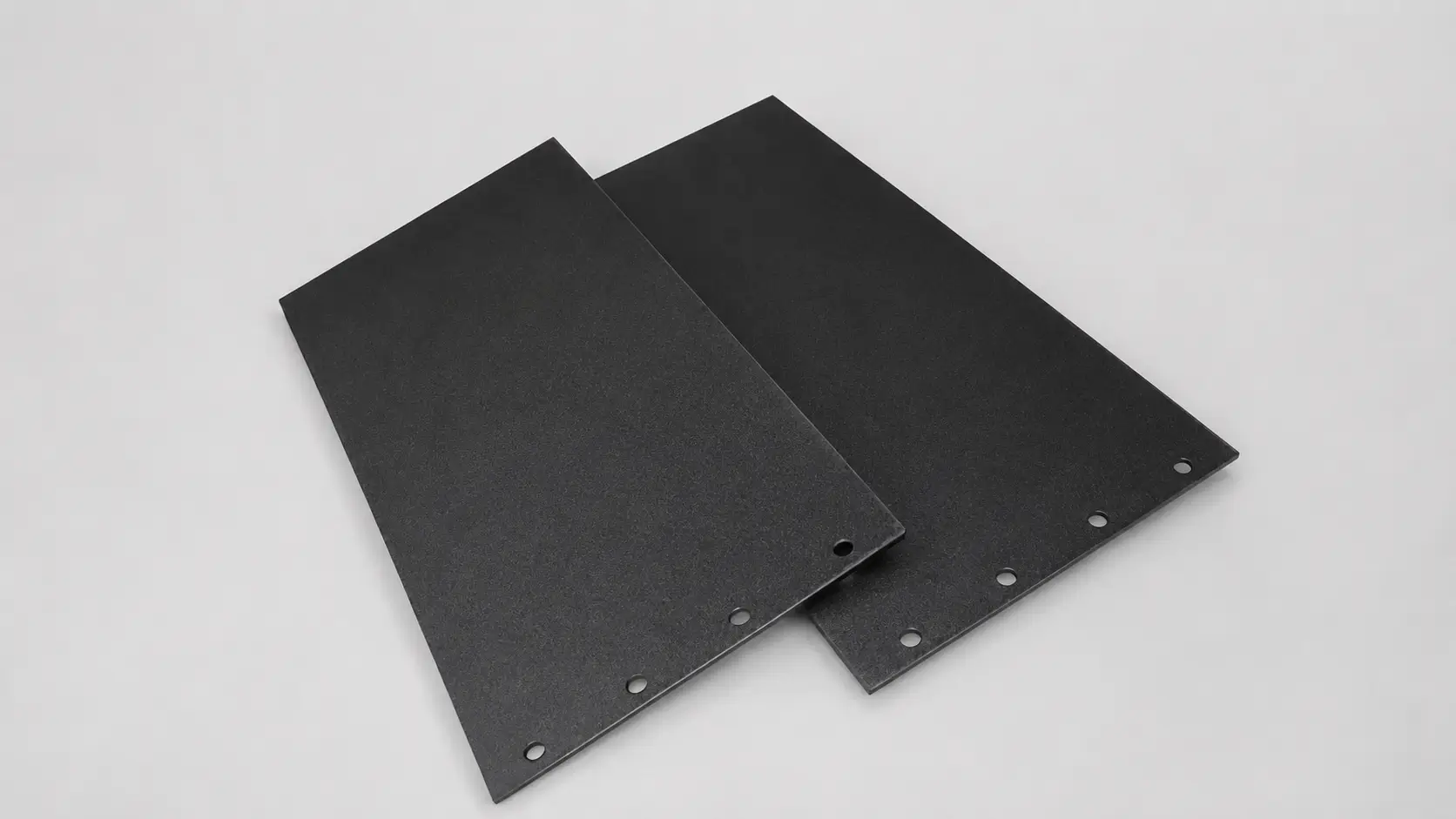
IrO₂ Plate Anodes
Flat cell systems, electrowinning, water treatment, wastewater oxidation, electrochemical reactors, and oxygen evolution cells.
Plate size, thickness, hole pattern, coating area, current distribution, mounting method, and connection design.
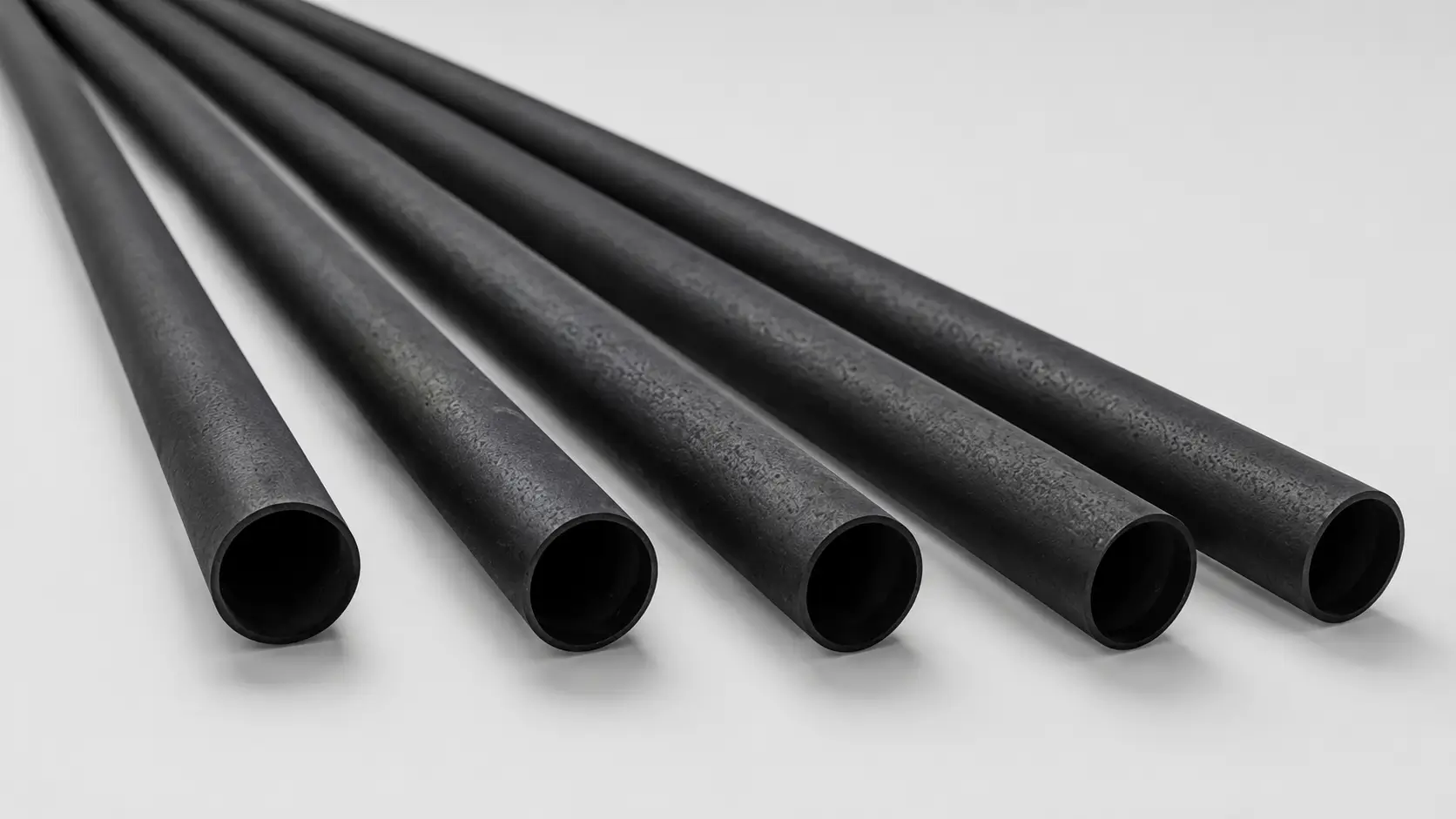
IrO₂ Tubular Anodes
Cathodic protection, water treatment systems, compact reactors, deepwell-style installations, and applications requiring durable current output.
Tube diameter, length, coating area, cable connection, end cap, sealing, mounting structure, and installation space.
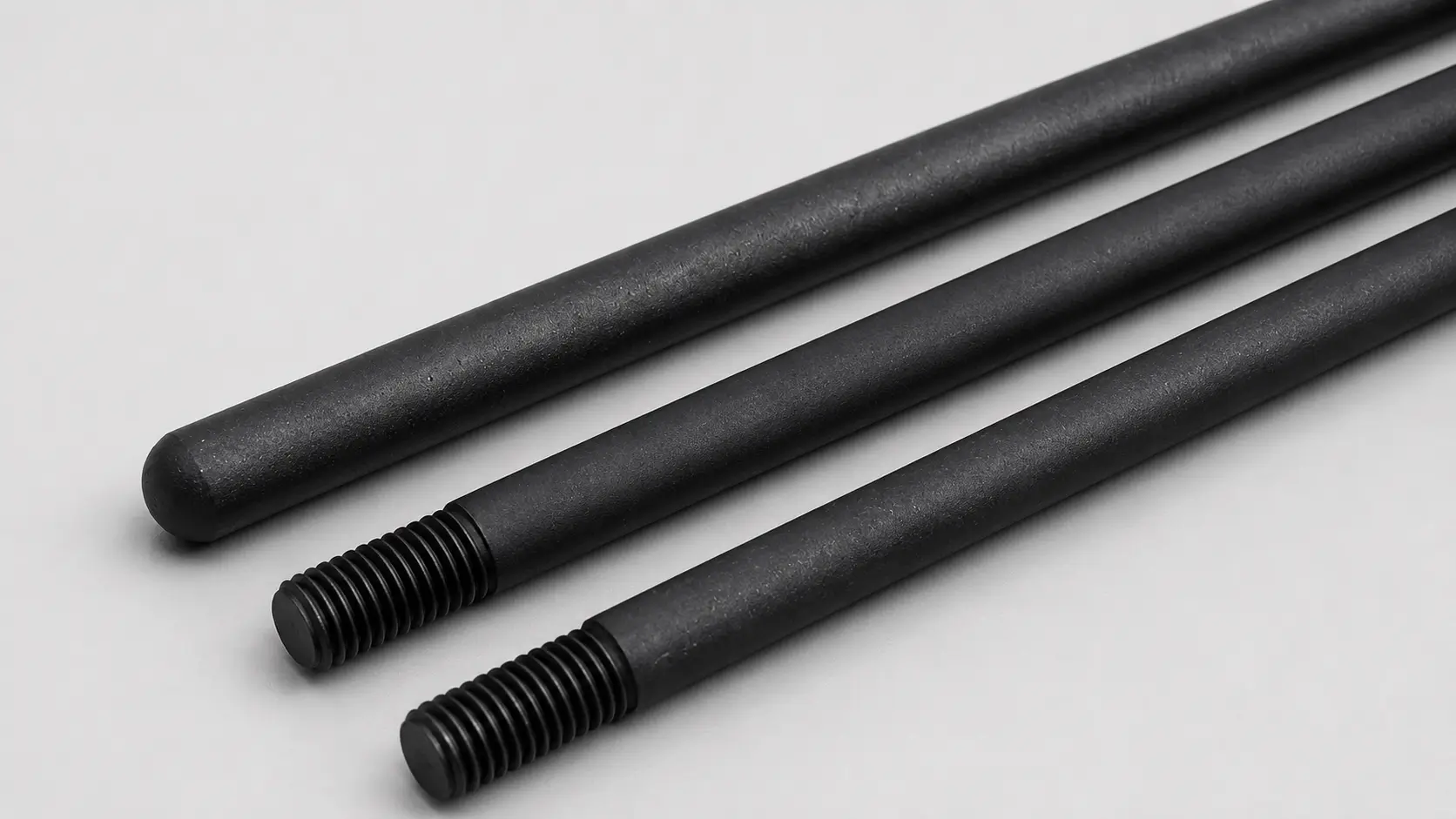
IrO₂ Rod Anodes
Small electrochemical cells, laboratory testing, pilot systems, compact oxygen evolution systems, and prototype development.
Rod diameter, length, coating area, thread, cable, mounting method, and connection position.
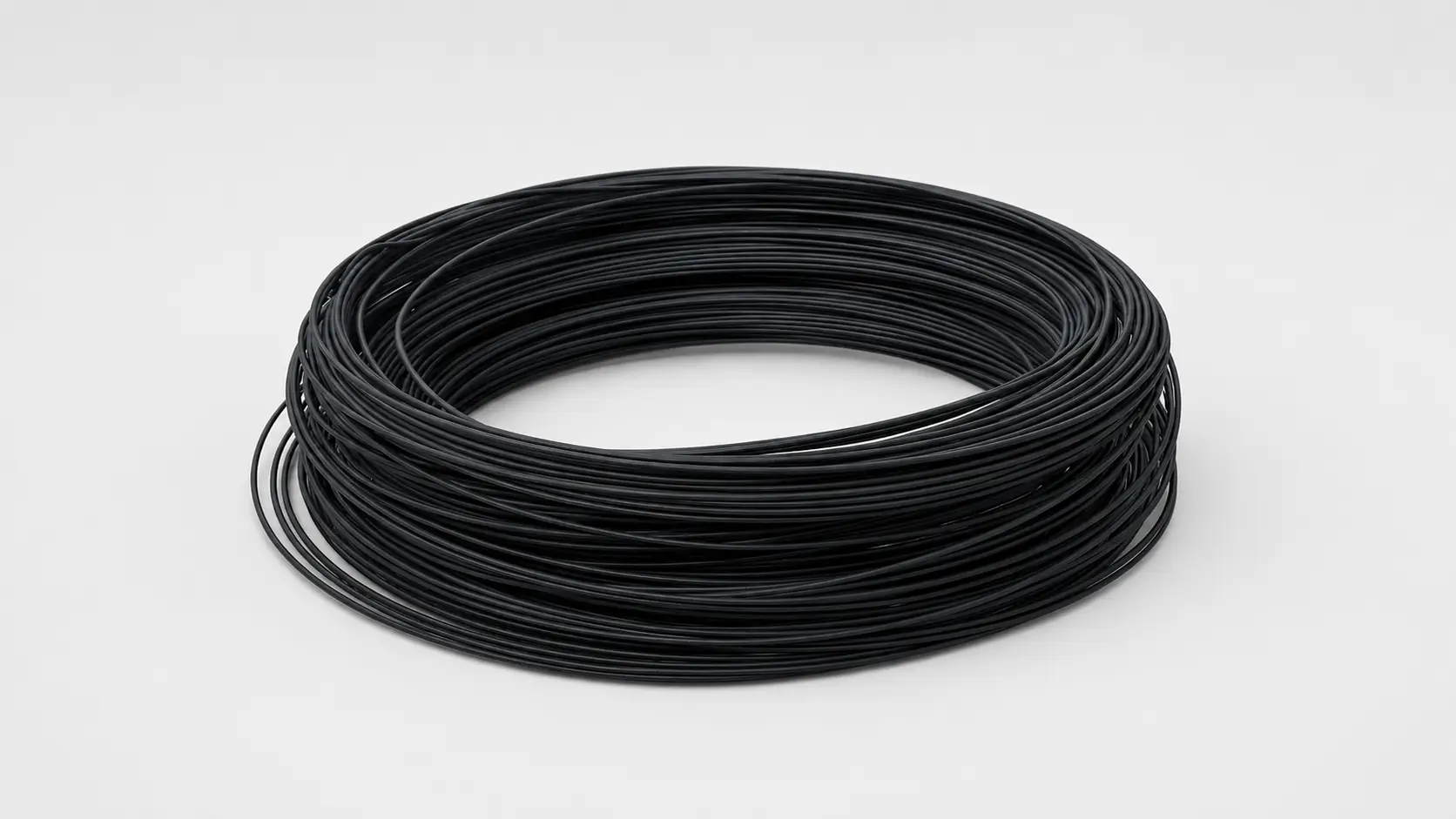
IrO₂ Wire / Coil Anodes
Compact cells, small reactors, electrochemical testing, sensor-related systems, and custom oxygen evolution assemblies.
Wire diameter, coil shape, coating coverage, active surface area, connection method, and installation space.
IrO₂ Basket Anodes
Electroplating baths, metal finishing lines, compact electrolysis cells, wastewater treatment, and custom systems requiring corrosion-resistant basket-type current distribution.
Basket size, perforation pattern, coating area, IrO₂ coating loading, hook design, electrical connection, current output, and electrolyte compatibility.
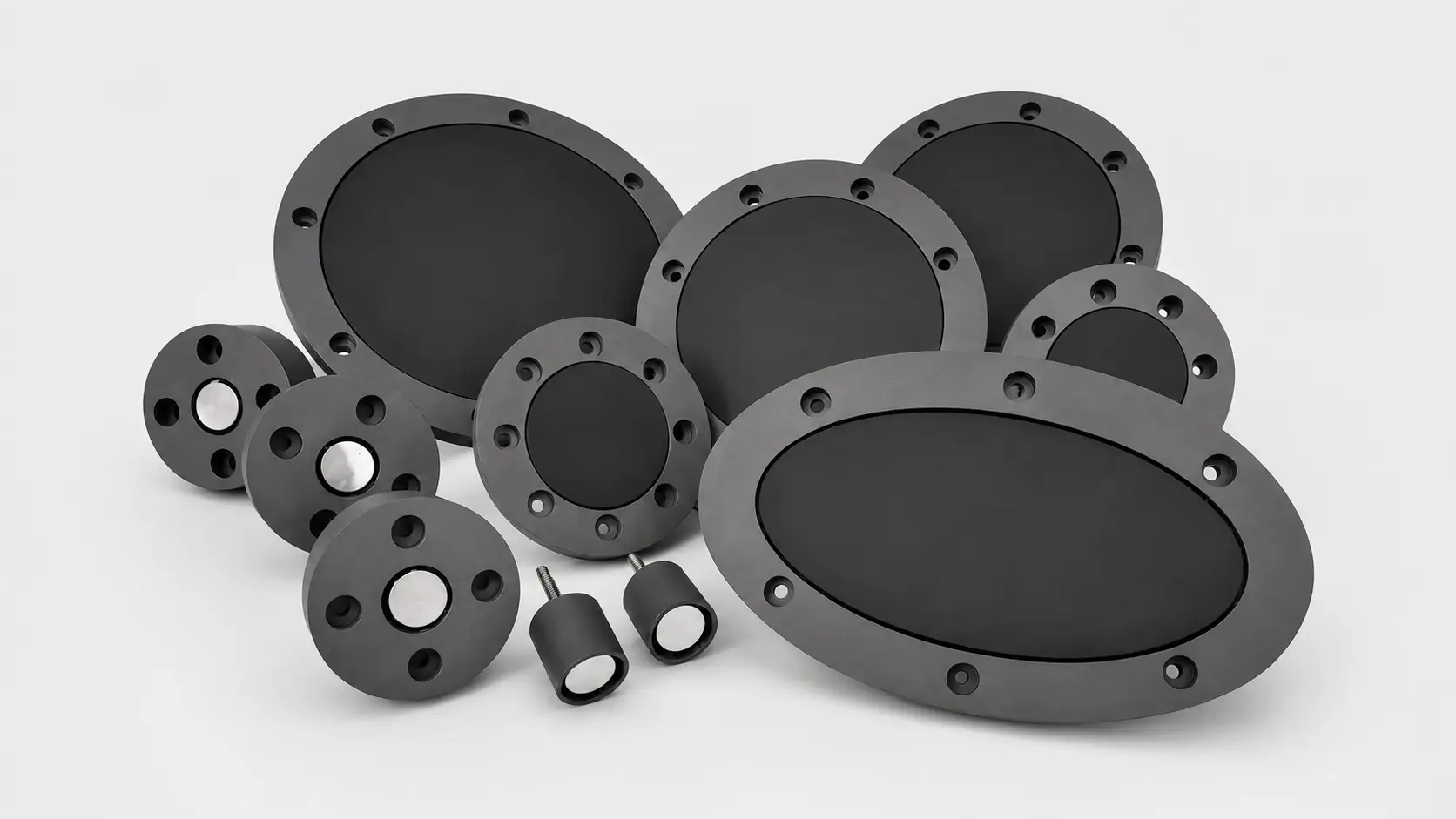
IrO₂ Disc / Round Anodes
Laboratory cells, test equipment, compact electrochemical systems, sensors, small reactors, and project-specific round electrode designs.
Disc diameter, thickness, coating side, active area, mounting hole, sealing method, and connection style.
Custom IrO₂ Electrode
OEM electrochemical systems, custom reactors, water treatment modules, electrowinning equipment, pilot-scale testing, and application-specific current distribution designs.
Electrode geometry, substrate form, IrO₂ coating area, coating loading, current density, connection method, frame design, sealing, assembly, and documentation requirements.
Factory Direct
Checking IrO₂ / Ir-Ta MMO anode drawings and coated samples.
Custom Iridium Oxide Coated Titanium Anodes Engineered Around Your Electrochemical System
IrO₂ anode design should be reviewed according to electrolyte chemistry, dominant reaction, acidity, current density, voltage, temperature, flow condition, installation space, and service life target.
Oxygen Evolution Review
Review whether the system is oxygen-evolution dominant or requires another coating direction.
Electrolyte Chemistry Review
Review pH, conductivity, acidity, temperature, pollutants, and operating environment.
Coating Loading Selection
Recommend coating loading according to current density, operating hours, surface area, and design life target.
Current Distribution Design
Review anode surface area, spacing, geometry, and electrolyte flow to support stable operation.
Connection & Assembly Design
Customize tabs, cables, threads, frames, bolting, welding, sealing, or mounting structures.
Documentation Support
MTC, coating records, XRF / ALT reports when required, labels, packing list, and project-specific documents can be prepared.
What We Need From You
- Application & Electrolyte
- pH & Operating temp
- Current density / voltage
- Target service life
- Required form & dimensions
- Connection type or drawings
Common Failure Risks for Iridium Oxide Coated Titanium Anodes
Many early failures come from mismatched coating chemistry, excessive current density, scaling, poor current distribution, unsuitable electrolyte conditions, or unclear operating data. Reviewing these risks before production helps improve anode selection and system reliability.
Wrong Reaction Match
IrO₂-based coating should be reviewed for oxygen evolution or anodic oxidation conditions. Chlorine-dominant systems may require Ru-Ir review.
Excessive Current Density
High current density may accelerate coating consumption or create uneven current distribution, shortening the operational lifespan.
Unstable Electrolyte Chemistry
Unknown pH, temperature, impurities, acidity, or conductivity makes coating selection less reliable and performance unpredictable.
Scaling or Fouling
Deposits on the anode surface may reduce active area and affect current distribution, leading to localized stress and premature failure.
Poor Cell Geometry
Uneven spacing, poor flow, or dead zones may create localized hot spots and unstable output, severely impacting efficiency.
Connection or Sealing Issues
Cable, tab, thread, frame, or seal design should meticulously match installation and operating conditions to prevent structural faults.
Engineering Review Note
If your previous iridium oxide anodes failed early, share electrolyte data, operating current, photos, dimensions, and failure observations for a comprehensive engineering review.
Streamlined Customization: 4-Step IrO₂ Anode Specification Workflow
Bespoke iridium oxide coated titanium anodes require accurate process data. Our engineering workflow helps convert electrolyte chemistry, oxygen evolution targets, cell geometry, and connection requirements into a production-ready anode specification.
1. Define Your Operating Environment
Provide electrolyte chemistry, pH, temperature, current density, voltage, operating hours, and target service life.
Output: Helps us review suitable IrO₂-based coating direction, coating loading, titanium substrate form, and thermal treatment requirements.
2. Specify the Oxygen Evolution Target
Tell us whether the system is for oxygen evolution electrolysis, water treatment, wastewater oxidation, electrowinning, cathodic protection, acidic electrolysis, or laboratory / pilot testing.
Output: Helps us match the coating system with oxygen evolution demand, operating stability expectations, and service life requirements.
3. Confirm Geometry & Active Area
Specify plate, expanded mesh, tube, rod, wire, coil, or custom assembly requirements, including coating area and installation space.
Output: Helps us review active surface area, gas release, current distribution, electrolyte flow, and installation fit.
4. Submit Drawings, Terminations & Documentation Needs
Send CAD drawings, sketches, connector types, welded studs, hooks, busbar, cable requirements, coating record needs, XRF / ALT requirements, packing requirements, and delivery destination.
Output: Helps us confirm mechanical integration, electrical connection, inspection scope, documentation support, and shipment preparation.
Quality Control for Iridium Oxide Coated Titanium Anodes
Iridium oxide coated titanium anode quality depends on titanium substrate preparation, coating formulation, application cycles, thermal treatment, coating loading, surface condition, connection integrity, and documentation.
Titanium Substrate Preparation
Purpose: Confirm Grade 1 / Grade 2 titanium suitability
Method: Material certificate and dimensional check according to agreed inspection scope
Surface Activation
Purpose: Confirm substrate activation before coating
Method: Visual inspection and process record review
IrO₂-Based Coating Application
Purpose: Verify coating formulation and application cycles
Method: Process record and visual inspection
Thermal Treatment Control
Purpose: Monitor temperature profiles for proper coating adhesion
Method: Furnace temperature logs and visual inspection
XRF / ALT Verification When Required
Purpose: Evaluate coating loading and durability under OER conditions
Method: XRF spectrometry and Accelerated Life Testing when applicable
Final Documentation & Packing
Purpose: Ensure all project requirements are met and documented
Method: Review of QC documents, labels, and packing list
Available Documents May Include
Project-specific documentation can be supported when required based on project requirements. Depending on the agreed inspection scope, documentation may include:
- MTC
- IrO₂ coating record
- Dimensional inspection record
- Visual inspection notes
- XRF / ALT record when required
- Packing list
- Product labels
- Project-specific QC documents
Warning: Fluoride contamination, excessive current density, unstable voltage, reverse polarity, abrasive cleaning, and mechanical coating damage can shorten Iridium Oxide coated titanium anode life.
Recommend a Lifecycle Value for IrO₂ Coated Titanium Anodes
IrO₂ anode cost and service life depend on coating formulation, coating loading, current density, electrolyte chemistry, temperature, anode form, connection structure, verification scope, and operating conditions.
Key Service Life & Cost Factors
Coating System
Coating Loading
Current Density
Electrolyte Chemistry
Geometry & Surface Area
Connection & Assembly
Testing & Documentation
Quantity & Delivery
Buyer Insight
The lowest anode price is not always the lowest operating cost. Correct coating selection, stable current distribution, and suitable geometry can help reduce premature failure, maintenance, and replacement risk.
Why Engineers Choose Hele Titanium for Iridium Oxide Anodes
Iridium Oxide coated titanium anodes are mission-critical components in OER, acidic, oxidative, and high-stability electrochemical systems. Hele Titanium combines coating science, titanium fabrication, quality testing, and factory-direct support to help customers improve reliability, reduce downtime, and control lifecycle cost.
Factory-Direct IrO₂ Anode Manufacturing
Titanium substrate preparation, IrO₂-based coating, assembly, inspection, and packing are supported through one manufacturing system.
Oxygen Evolution Focus
IrO₂-based coating recommendations are reviewed according to oxygen evolution conditions, current density, and electrolyte chemistry.
Custom Geometry Support
Mesh, plate, tube, rod, wire, and custom cell anodes can be manufactured according to drawings or process requirements.
Verification & Documentation Support
XRF, ALT, coating records, MTC, labels, and packing documents can be supported when required.
Application-Based Engineering
Design review is based on water treatment, electrowinning, cathodic protection, acidic electrolysis, or electrochemical oxidation conditions.
Export & Project Support
Packing, labeling, shipment documents, and international delivery coordination are available for global buyers.
Technical FAQ: Iridium Oxide Coated Titanium Anodes
Find practical answers about IrO₂ and Ir-Ta coating selection, oxygen evolution performance, custom geometries, quality testing, and failure analysis for industrial electrochemical applications.
What is an iridium oxide coated titanium anode?
Is IrO₂ suitable for oxygen evolution?
What is the difference between IrO₂ and Ir-Ta MMO anodes?
Can IrO₂ coated anodes be used for electrowinning?
What forms of IrO₂ coated titanium anodes can you manufacture?
What information is needed for an IrO₂ anode quote?
What is IrO₂ coating best used for?
What is the difference between IrO₂ and Ru-Ir MMO anodes?
Can iridium oxide coated titanium anodes be used in water treatment?
How does current density affect IrO₂ anode life?
What documents can you provide with IrO₂ anodes?
Can you help review failed iridium oxide anodes?
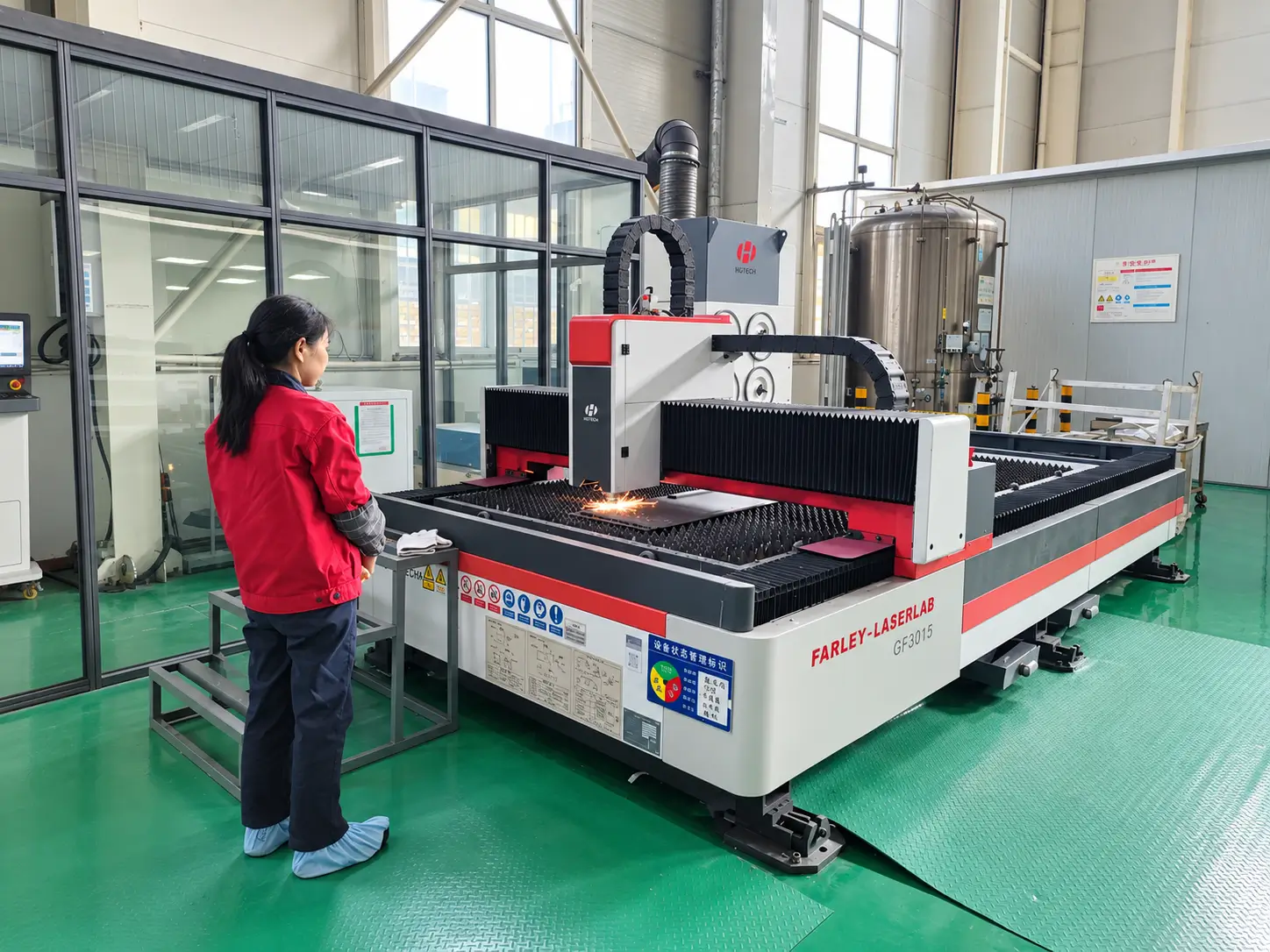
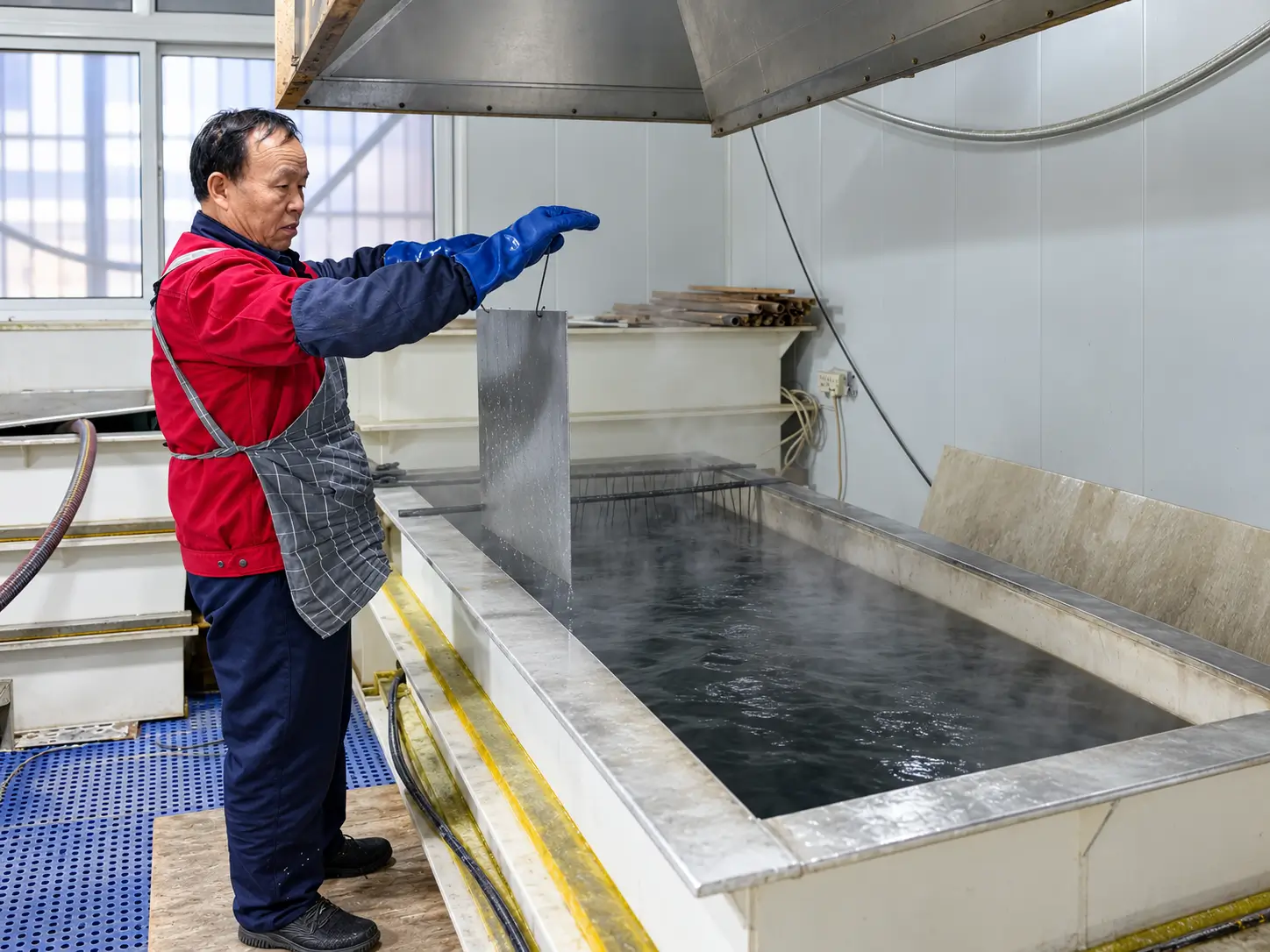
Inside Our Iridium Oxide Anode Manufacturing & Quality System
See how we prepare titanium substrates, apply IrO₂-based coatings, verify coated anodes, and document oxygen evolution projects as a direct titanium anode manufacturer.
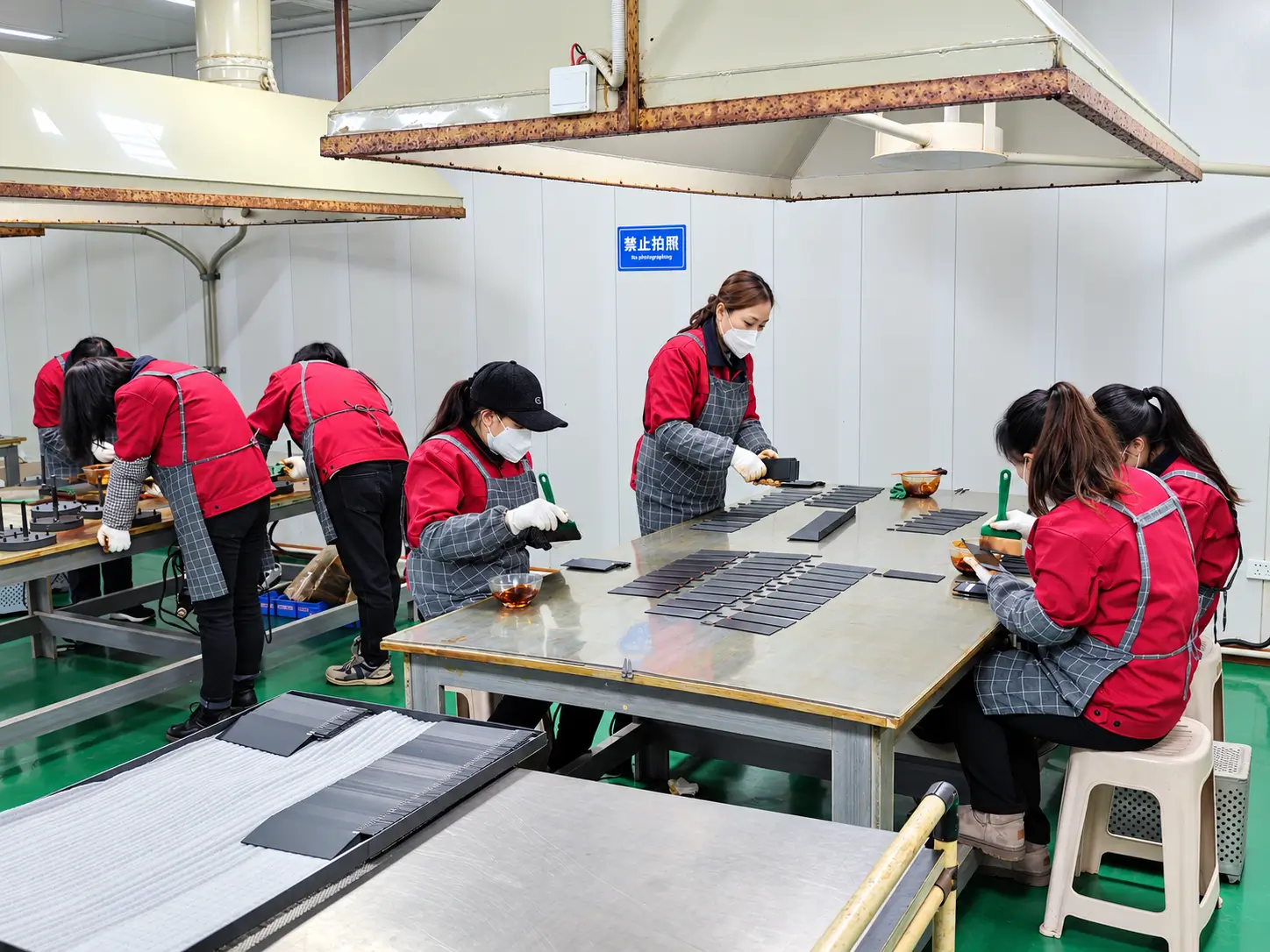
See how IrO₂ coated titanium anodes move from titanium substrate preparation through surface activation, IrO₂-based coating, thermal treatment, inspection, and final packing.

Titanium Substrate Preparation

Surface Activation & Cleaning

IrO₂-Based Coating Application

Thermal Treatment & Final Release
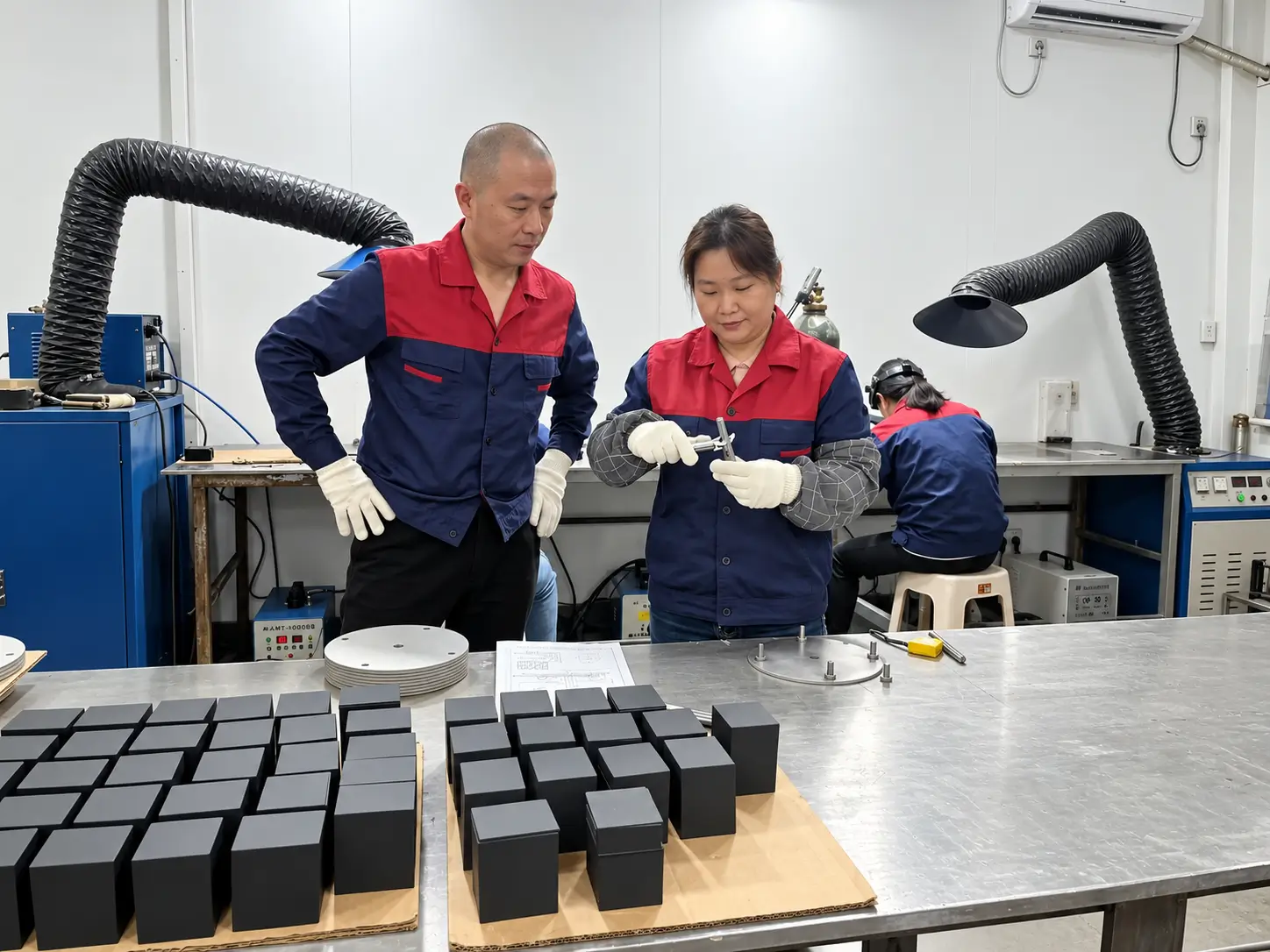
A look inside the production areas where iridium oxide coated titanium anodes are prepared, coated, assembled, inspected, and packed for shipment.

Titanium Anode Substrate Area

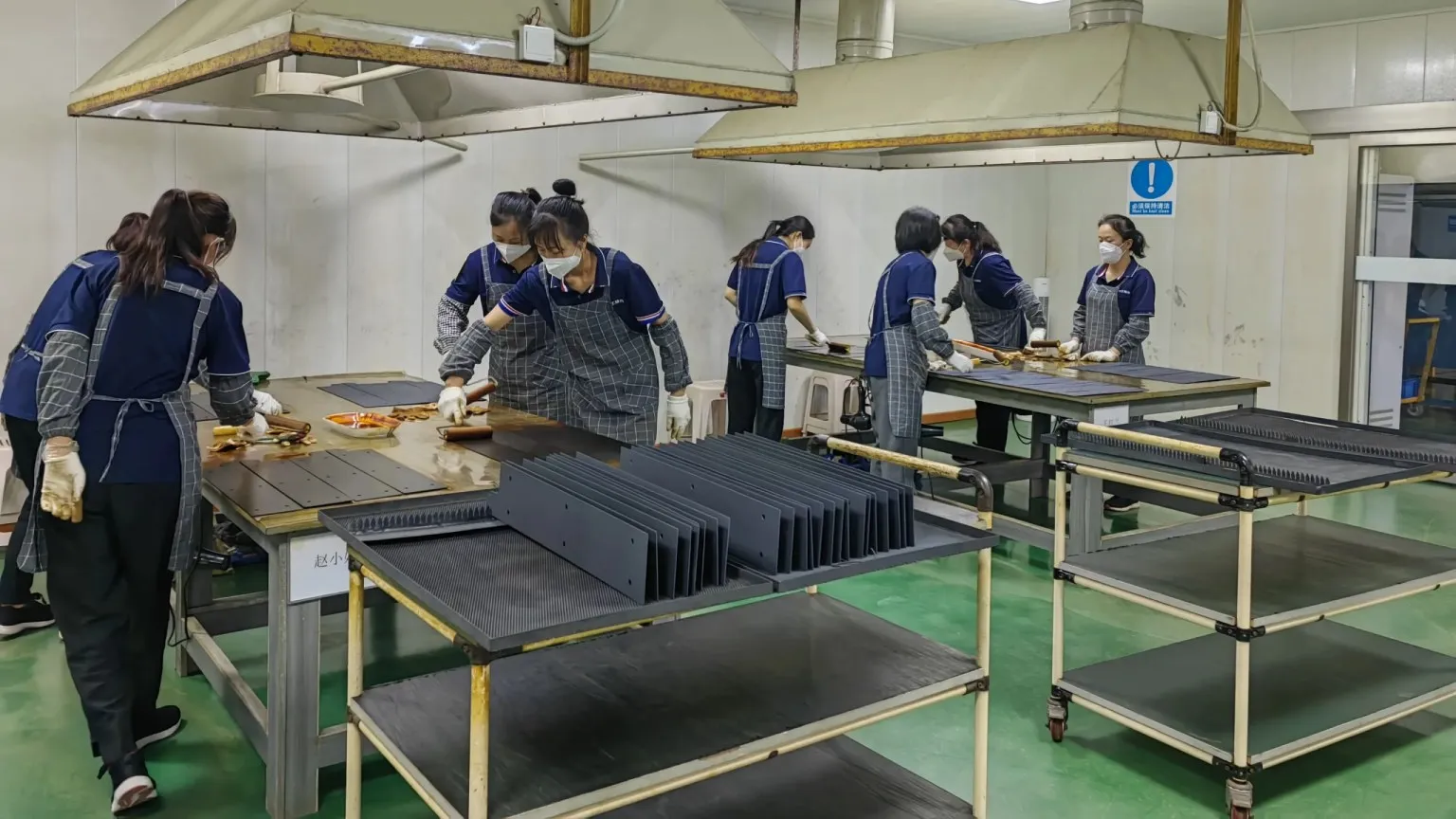
Iridium Oxide Coating Station

Electrode Assembly Area

Packing & Dispatch Area
Our inspection process can verify coating condition, coating loading, substrate dimensions, electrical performance, and project-specific documentation according to order requirements.

XRF Coating Verification

Coating Surface Review

ALT / Electrical Testing

Final Dimensional Inspection
Documentation and traceability are important for oxygen evolution electrolysis, water treatment, electrowinning, cathodic protection, acidic electrolysis, and industrial electrochemical oxidation systems.

Material Test Certificate Example

IrO₂ Coating Record

XRF / ALT Report When Required

Export & Traceability Documentation
Need production photos, IrO₂ coating records, XRF / ALT reports, or technical documentation? Contact our team for direct factory support.
The Definitive Guide to Iridium Oxide Coated Titanium Anodes
Table of Contents
- 1. What Is an Iridium Oxide Coated Titanium Anode?
- 2. How IrO₂ Coating Works
- 3. Best Applications for IrO₂ Anodes
- 4. IrO₂ vs Ir-Ta vs Ru-Ir MMO Coatings
- 5. Common Anode Forms
- 6. Typical Technical Specifications
- 7. Customization Factors
- 8. Quality Testing Requirements
- 9. Applications & ROI
- 10. Degradation Mechanisms
- 11. Installation & Maintenance
- 12. Recoating & Lifecycle Value
- 13. Supplier Evaluation Checklist
- 14. RFQ Checklist
Choosing the right iridium oxide coated titanium anode requires more than selecting a shape. Buyers must confirm the dominant reaction, electrolyte chemistry, current density, voltage range, coating formulation, active area, service life, and quality documentation. This guide helps engineers and procurement teams evaluate IrO₂ anodes for oxygen evolution, electrochemical oxidation, electrowinning, water treatment, and selected cathodic protection systems.
1. What Is an Iridium Oxide Coated Titanium Anode?
Understand the core composition and fundamental role of IrO₂ coated dimensionally stable anodes.
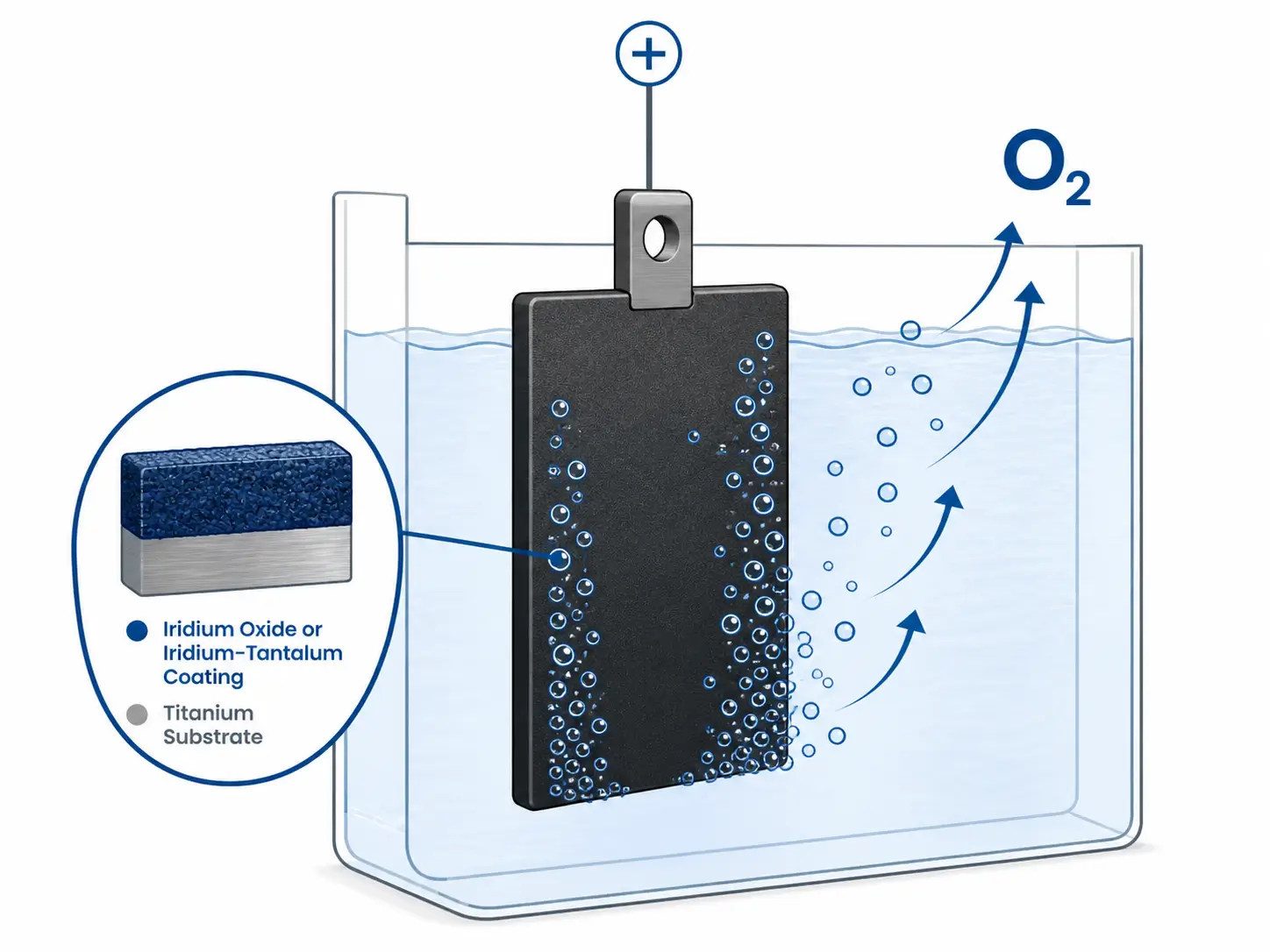
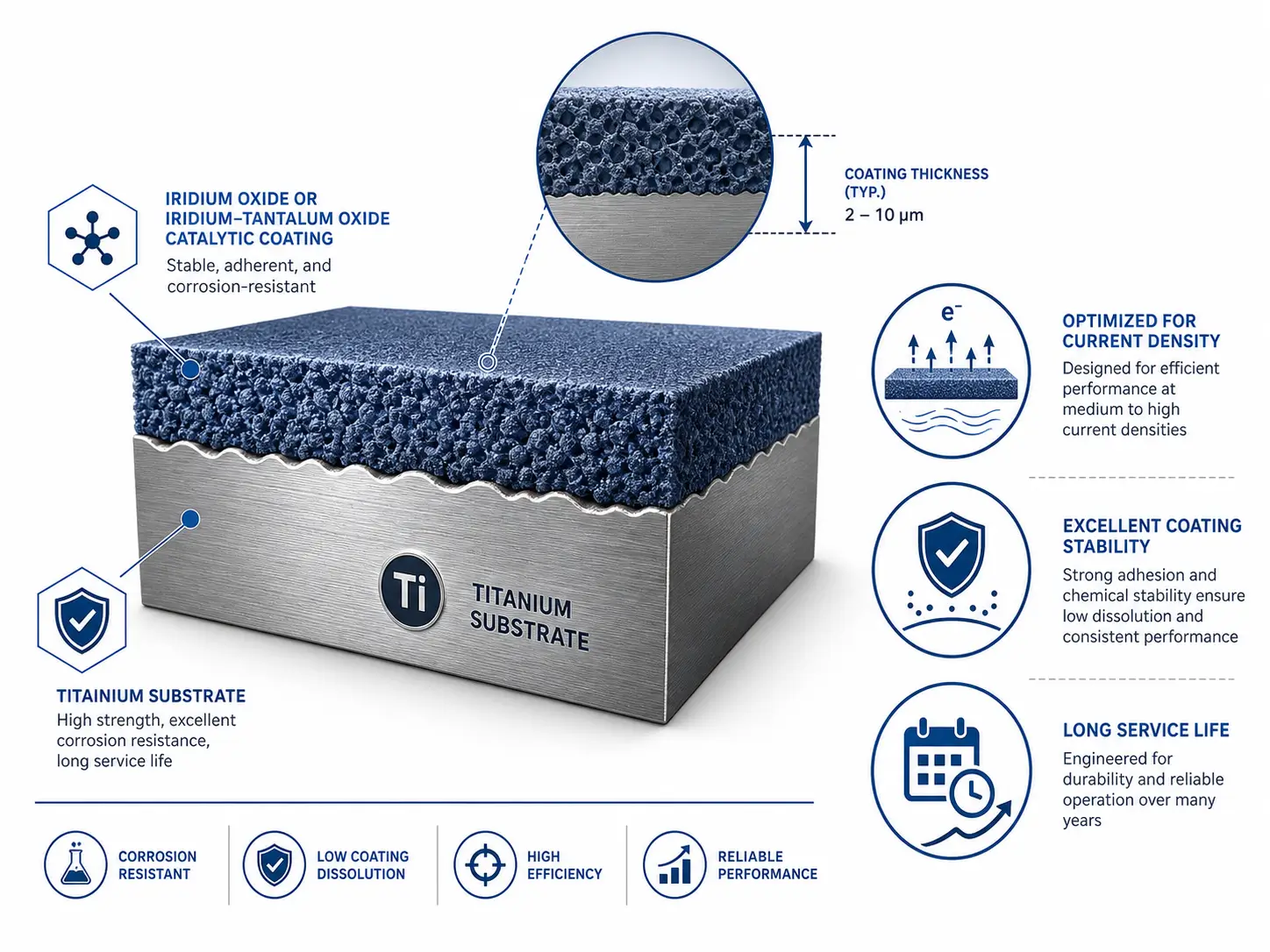
Iridium Oxide coated titanium anodes are Dimensionally Stable Anodes (DSA) or Mixed Metal Oxide (MMO) electrodes. They use a base of ASTM B265 Grade 1 or Grade 2 titanium substrate, coated with a highly catalytic layer primarily composed of Iridium Oxide (IrO₂) or an Iridium-Tantalum (Ir-Ta) mixed metal oxide blend. They are specifically engineered to facilitate the Oxygen Evolution Reaction (OER) efficiently while resisting severe acidic corrosion.
2. How IrO₂ Coating Works
Discover the electrocatalytic mechanism that enables efficient oxygen evolution in harsh environments.
The active material is IrO₂, which provides the primary electrocatalytic activity by lowering the overpotential required for oxygen evolution. In many formulations, Ta₂O₅ (Tantalum Pentoxide) acts as a structural stabilizer, preventing the passivation of the underlying titanium substrate when exposed to highly oxidizing, acidic environments.
Procurement Tip: Coating Morphology
Under an SEM microscope, a high-quality IrO₂ coating exhibits a characteristic "mud-crack" morphology. This micro-cracked structure is intentional; it exponentially increases the effective catalytic surface area, allowing for rapid gas release and lower energy consumption without compromising coating adhesion.
3. Best Applications for IrO₂ Anodes
Identify the optimal industrial scenarios where Iridium Oxide coatings deliver maximum performance.
Because IrO₂ formulations excel at oxygen evolution in harsh conditions, they are the industry standard for environments where chloride is absent or minimal, and where acid concentrations are high. Primary applications include:
- Non-ferrous metal electrowinning (copper, zinc, nickel)
- Electroplating (especially high-speed continuous plating)
- Copper foil manufacturing
- Specific cathodic protection (ICCP) scenarios in soil or freshwater
4. IrO₂ vs Ir-Ta vs Ru-Ir MMO Coatings
A comparative analysis of common mixed metal oxide formulations to help you select the right coating.
| Coating Type | Dominant Reaction | Optimal Environment | Primary Use Case |
|---|---|---|---|
| IrO₂ (Pure) | Oxygen Evolution | Strong Acidic | Electrowinning, Foil Mfg |
| Ir-Ta MMO | Oxygen Evolution | Acidic / Sulfate | High-durability OER, ICCP |
| Ru-Ir MMO | Chlorine Evolution | Chloride-rich / Brine | Chlor-alkali, Water Treatment |
5. Common Anode Forms
Explore the versatile geometric configurations available for titanium substrates before coating.
Titanium is highly workable before coating, allowing anodes to be fabricated into virtually any geometry required by the electrochemical cell. The most common forms include:
| Anode Form | Primary Application & Benefits |
|---|---|
| Plates & Sheets | Standard for electrowinning cells. |
| Mesh (Expanded Metal) | Maximizes surface area and promotes excellent gas bubble release; common in plating and water treatment. |
| Tubes & Rods | Frequently used in cathodic protection (ICCP) groundbeds. |
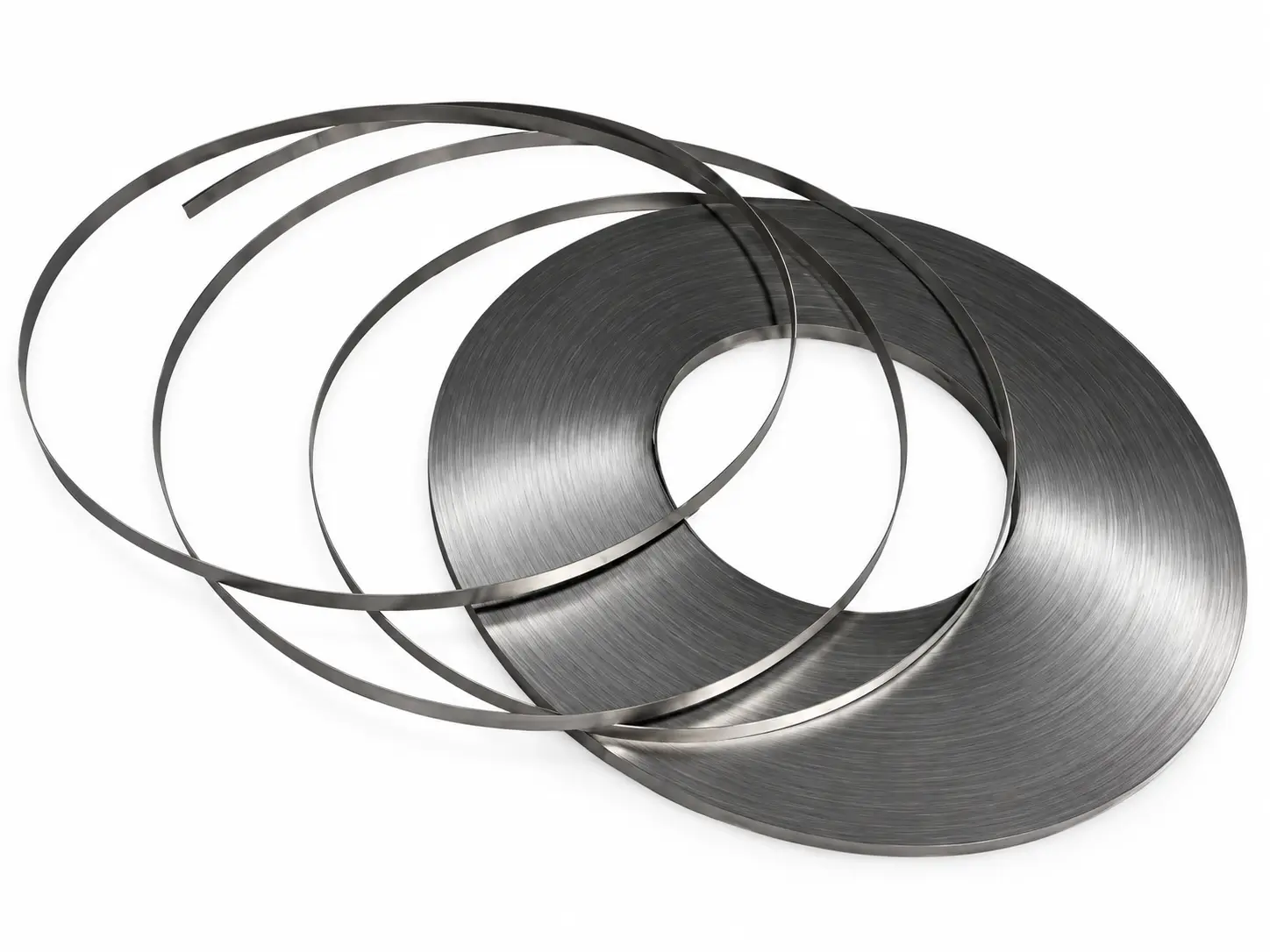
| Ribbons & Wires | Used for concrete cathodic protection or intricate plating baths. |
| Custom Assemblies | Baskets, multi-plate arrays, and complex geometries built to OEM drawings. |
6. Typical Technical Specifications
Key operating parameters and baseline specifications for standard IrO₂ coated titanium anodes.
- Substrate Material: ASTM B265 Grade 1 or 2 Titanium
- Catalytic Coating: IrO₂ or IrO₂-Ta₂O₅ (Custom ratios available)
- Coating Thickness: Typically 3–15 μm
- PGM Loading: 8–15 g/m² (Adjustable based on life requirement)
- Current Density: Up to 5,000 A/m² (Application dependent)
- Operating Temp: Standard 20–60°C (High-temp formulations available)
7. Customization Factors
Learn how tailoring PGM loading and coating ratios can significantly optimize your operational ROI.
Off-the-shelf anodes rarely provide optimal ROI for industrial systems.
- Customization involves tailoring the precious group metal (PGM) loading and the ratio of Iridium to Tantalum.
- Higher current densities or longer expected service lives require a thicker coating with higher noble metal loading applied through multiple calcination passes.
- The geometry is also customized to ensure uniform current distribution across the cathode.
Buyer Note: Specifying Lifespan
Don't just specify "IrO₂ coating." Specify your required service life in hours or years under your specific current density. This allows the manufacturer to calculate the exact PGM loading required, preventing you from overpaying for unnecessary coating thickness or under-specifying and facing premature failure.
8. Quality Testing Requirements
Essential validation methods to ensure the integrity, durability, and performance of the MMO coating.
Reliable suppliers should provide documentation validating the coating integrity. Key tests include:
| Test Type | Purpose & Description |
|---|---|
| X-Ray Fluorescence (XRF) | Verifies the elemental composition and coating thickness/loading. |
| Accelerated Life Testing (ALT) | Conducted in extreme acid/current conditions (e.g., NACE standard) to project real-world service life. |
| Adhesion Testing | Tape tests or bend tests to ensure the MMO layer will not delaminate from the titanium substrate. |
9. Applications & ROI
Evaluate the long-term financial benefits and efficiency gains of upgrading to IrO₂ titanium anodes.
| Benefit Area | Operational Impact | ROI Advantage |
|---|---|---|
| Energy Efficiency | Lower overpotential compared to legacy lead alloys or graphite. | Significant long-term energy savings. |
| Product Quality | Elimination of heavy metal sludge contamination. | Cleaner product and reduced waste disposal costs. |
| Maintenance | Dramatically reduced maintenance downtime. | Increased operational uptime and lower labor costs. |
| Lifecycle Cost | Titanium substrate allows for chemical stripping and recoatability. | Lower total cost of ownership over a 5 to 10-year horizon, offsetting initial CAPEX. |
10. Degradation Mechanisms
Understand the common causes of anode failure to better anticipate maintenance and replacement cycles.
Even the best IrO₂ anodes eventually fail. The primary degradation mechanisms are:
| Mechanism | Description & Cause |
|---|---|
| Coating Consumption | Normal electrochemical wear of the active IrO₂ layer over time. |
| Substrate Passivation | If the electrolyte penetrates the coating, a non-conductive TiO₂ layer forms, shutting down the anode. |
| Mechanical Damage | Scratches from handling or short circuits that expose raw titanium. |
Warning: Fluoride Contamination
Fluoride ions (even in trace ppm amounts) aggressively attack the titanium substrate, bypassing the MMO coating. If your electrolyte contains fluorides, standard IrO₂/Ti anodes will fail rapidly. You must notify your supplier to explore alternative substrates or barrier layers.
11. Installation & Maintenance
Best practices for handling and operating your anodes to maximize their catalytic lifespan.
| Best Practice | Reason / Impact |
|---|---|
| Avoid Abrasive Cleaning | Prevents scratching and damaging the ceramic-like MMO layer. |
| Rinse After Shutdown | Washing with clean water prevents electrolyte crystallization in the micro-cracks. |
| Control Current Density | Staying within designed limits prevents overheating and rapid coating loss. |
| Prevent Reverse Polarity | Avoid at all costs; reverse polarity will strip the coating almost immediately. |
| Secure Electrical Connections | Keeping connections tight prevents localized overheating and arcing. |
12. Recoating & Lifecycle Value
Extend the lifespan of your investment. Professional recoating offers a sustainable and highly cost-effective alternative to complete electrode replacement.
One of the major advantages of titanium-based MMO anodes is that the titanium substrate is often reusable. The recoating process significantly reduces total lifecycle costs compared to replacing entire anode assemblies, especially for complex custom geometries.
| Process Step | Description |
|---|---|
| 1. Inspection | Evaluating the depleted titanium substrate to ensure structural integrity is intact. |
| 2. Chemical Stripping | Safely removing the remaining depleted IrO₂ catalytic layer without damaging the base metal. |
| 3. Reactivation | Preparing the surface of the titanium substrate to accept a new coating. |
| 4. Recoating | Applying a fresh MMO layer, restoring full performance and saving on new assembly costs. |
13. Supplier Evaluation Checklist
Critical capabilities to look for when selecting a reliable manufacturer for your MMO anodes.
Evaluate potential suppliers on these criteria:
14. RFQ Checklist
A comprehensive list of parameters to prepare for an accurate and highly customized technical quotation.
To receive an accurate technical proposal and quotation, prepare the following parameters before contacting a manufacturer:
Ready to Specify the Right IrO₂ Coated Titanium Anode?
Send your electrolyte chemistry, pH range, current density, operating temperature, voltage range, target service life, and drawing requirements to Hele Titanium. Our team will help you review the best IrO₂-based coating formulation, PGM loading, and anode geometry for your system.
Request a Technical QuoteIrO₂ ANODE INQUIRY
Get an IrO₂ Coated Titanium Anode Recommendation for Your Oxygen Evolution System
Tell us your electrolyte chemistry, pH, temperature, current density, voltage, oxygen evolution target, anode form, and documentation needs. Hele Titanium will help review the suitable IrO₂ coated titanium anode design for your system.
- IrO₂-Based Coating Review for Oxygen Evolution
- Mesh, Plate, Tube, Rod & Custom Cell Anodes
- XRF / ALT / Coating Record Support When Required
- Engineering Review & Export Documentation