Platinized Titanium Anodes Manufacturing
Precision Electrochemical Manufacturing
Pt/Ti PLATINIZED TITANIUM ANODE SOLUTIONS

Platinized Titanium Anodes Manufacturer for Precision Electrochemical Systems

Custom platinum coated titanium anodes engineered for precision electroplating, precious metal plating, laboratory electrolysis, electrochemical testing, high-purity processes, and custom industrial electrochemical systems.

  • Platinum Coating
  • Custom Geometry
  • Thickness Review
  • XRF Verification
  • Recoating Support
PLATINIZED TITANIUM ENGINEERING

High-Purity Platinum Performance on a Durable Titanium Base

The right platinum thickness improves stability. The wrong specification increases cost and service risk.

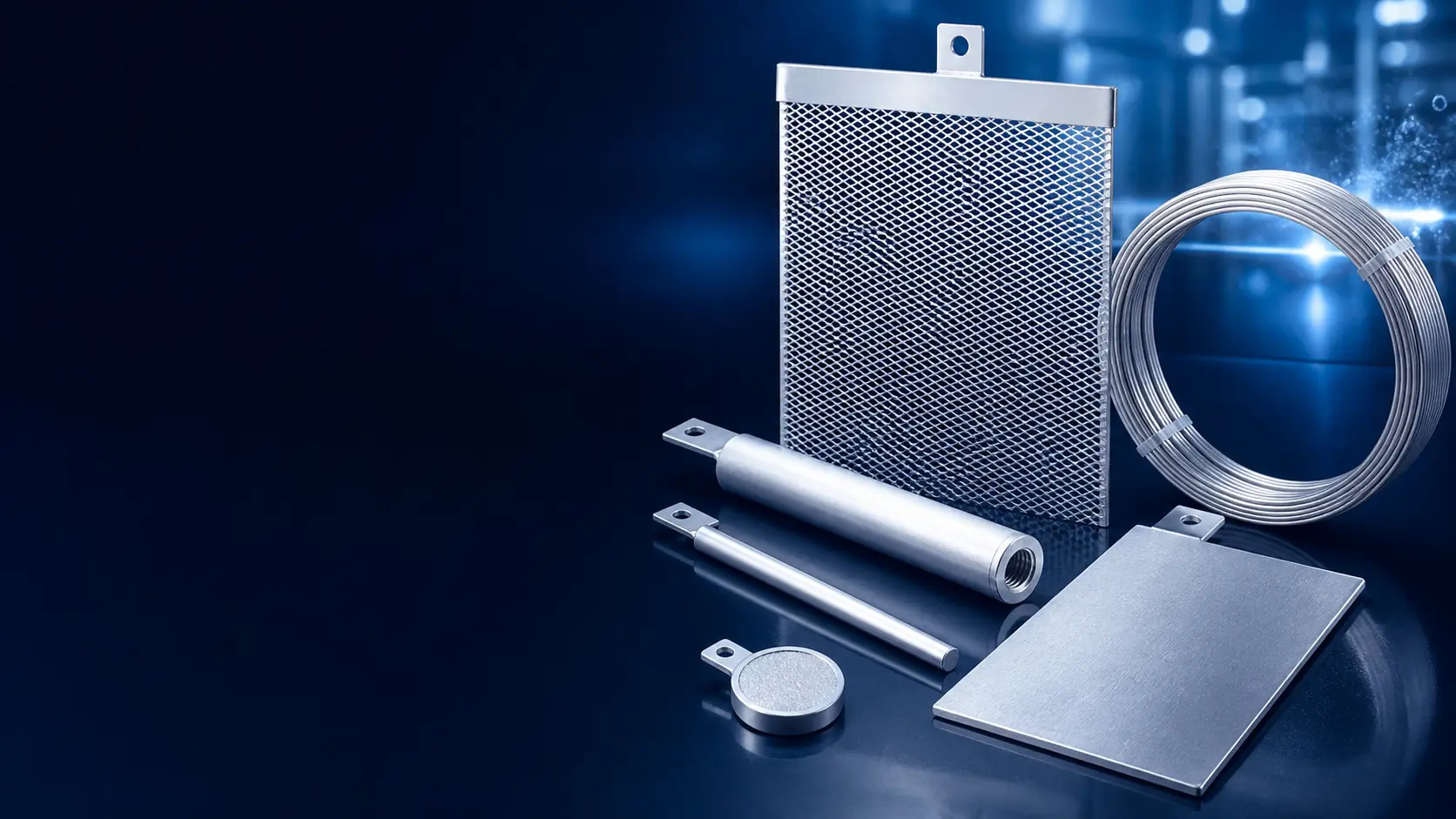
Solid platinum offers excellent electrochemical properties, but it is costly and difficult to use in large or complex electrode structures. Platinized titanium anodes provide a practical alternative by applying a platinum layer onto titanium mesh, plate, rod, wire, tube, basket, or custom substrates.

Hele Titanium supports custom Pt/Ti anode design based on platinum thickness, active surface area, electrolyte chemistry, current density, voltage range, geometry, connection method, and expected service conditions.

Platinum Surface
Performance

Platinum catalytic surface supports stable electrochemical behavior in suitable electrolytes.

Titanium Structural
Support

Titanium provides a lightweight, corrosion-resistant, and customizable substrate.

Custom Platinum
Thickness

Platinum thickness can be reviewed according to current density, electrolyte, and service requirements.

XRF & Recoating
Support

XRF thickness verification or recoating review can be supported when required by the project.

Chinese engineer inspecting platinized titanium electrodes, mesh, rod, or plate anodes
PT/TI ENGINEERING REVIEW
Platinum Thickness Review Matched to your process
XRF Verification When required by project
Batch Documentation Records based on order needs
Designed for
Precision Electroplating
Precious Metal Plating
Laboratory Electrolysis
Electrochemical Research
Electrorefining
Custom Electrochemical Cells

When Should You Choose Platinized Titanium Anodes?

Ideal for precision electrochemical systems requiring superior platinum surface performance, dimensional stability, and custom geometries. Ensure optimal selection by evaluating your specific application, electrolyte, current density, and budget.

Precision Electroplating

Precision Electroplating

Pt/Ti anodes are suitable for electroplating systems that require stable current distribution, clean electrode surfaces, and controlled electrochemical performance.

Laboratory & Research Electrolysis

Laboratory & Research Electrolysis

Pt/Ti electrodes are often used in test cells, pilot systems, and research applications where small custom geometries and repeatable electrochemical response are important.

High-Purity Electrochemical Systems

High-Purity Electrochemical Systems

Platinum coated titanium can be reviewed for systems where contamination control, catalytic stability, and corrosion resistance are important.

Custom Electrode Geometry

Custom Electrode Geometry

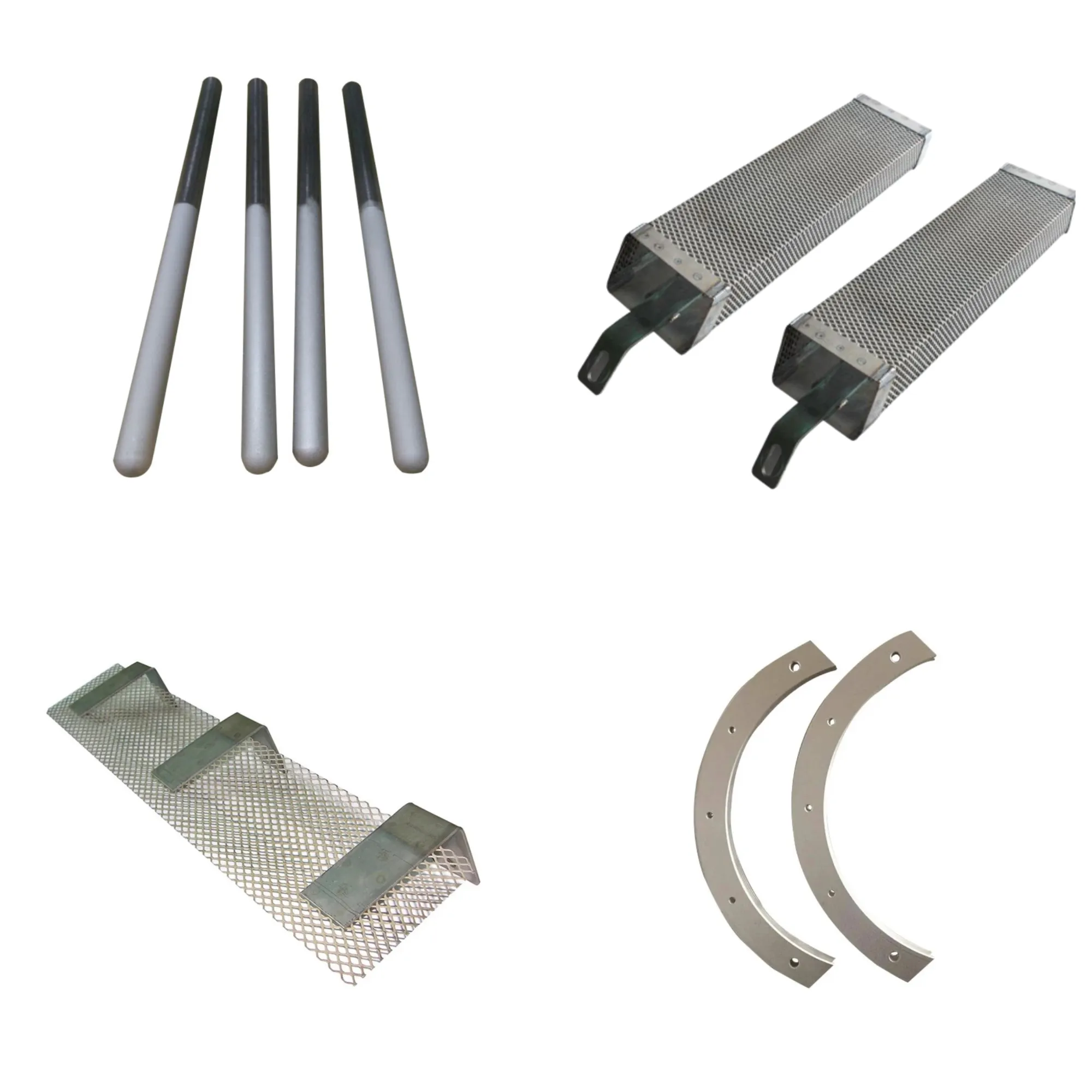
Titanium mesh, plate, rod, wire, tube, basket, and custom assemblies can be platinized according to active area and installation requirements.

Best Fit vs Review Carefully If

Best Fit For

  • Precision electroplating
  • Precious metal plating
  • Laboratory electrolysis
  • Electrochemical research
  • Electrochemical testing
  • High-purity electrochemical cells
  • Custom small and medium electrode assemblies
  • Selected electrorefining and electrochemical process systems
  • Applications requiring platinum surface performance with titanium support

Review Carefully If

  • Chlorine evolution is dominant
  • Oxygen evolution at high current density is dominant
  • Strong fluoride-containing electrolyte is present
  • Reverse polarity operation is expected
  • Abrasive or severe mechanical wear is likely
  • Large-area low-cost anode coverage is the main goal
  • MMO coating may provide better economic value
  • Solid platinum is required by strict specification

Buyer Note: If your process is chlorine-evolution dominant, Ru-Ir MMO coating may be a better starting point. If oxygen evolution or acidic high-stability operation is dominant, IrO₂ or Ir-Ta MMO coating may need to be reviewed. Pt/Ti is best reviewed when platinum surface performance, precision control, and custom geometry are the main requirements.

Explore Our Pt/Ti Anode Range

Platinized titanium anodes can be manufactured in different forms to match active surface area, current distribution, electrolyte flow, cell geometry, and connection requirements.

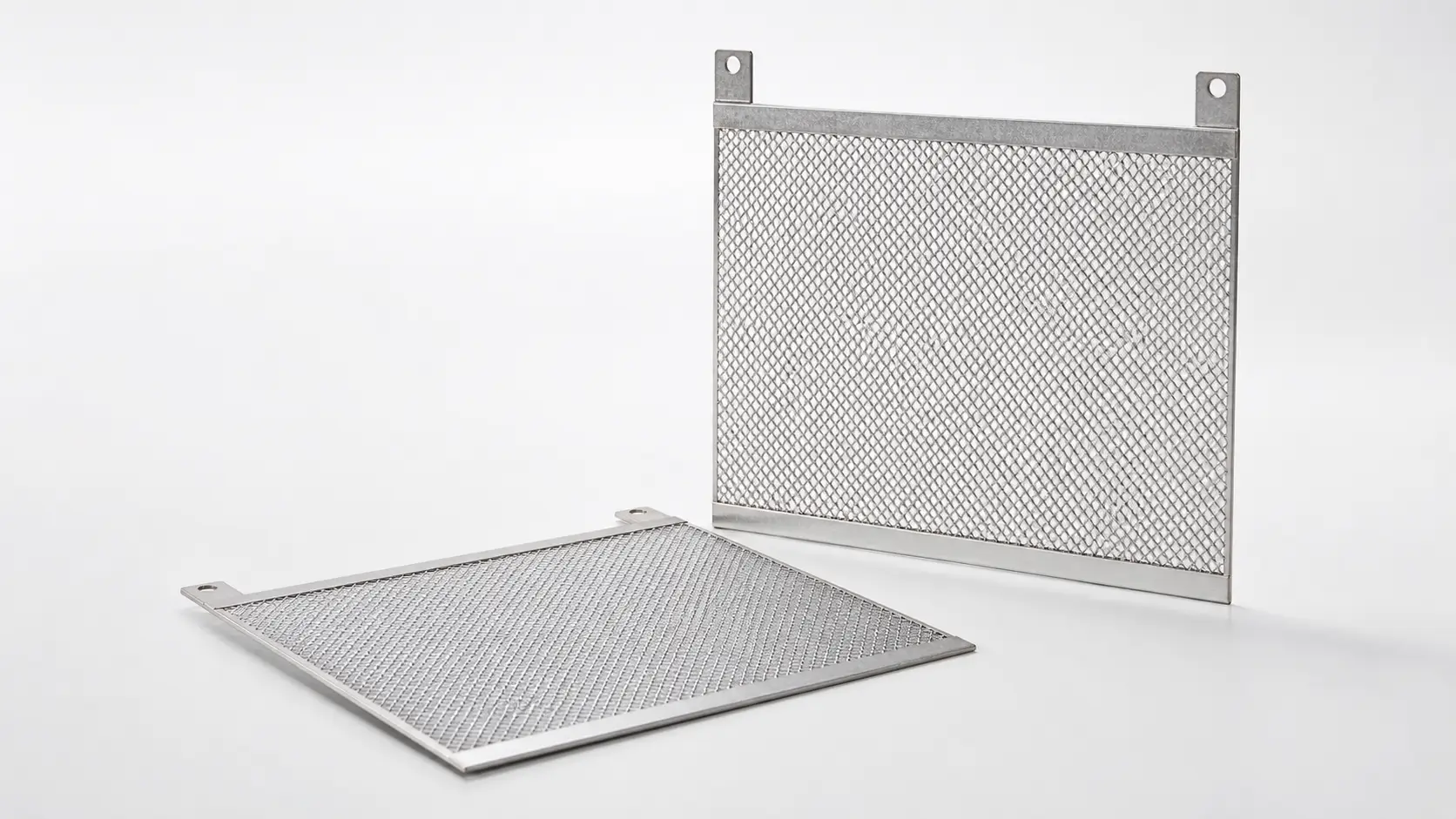
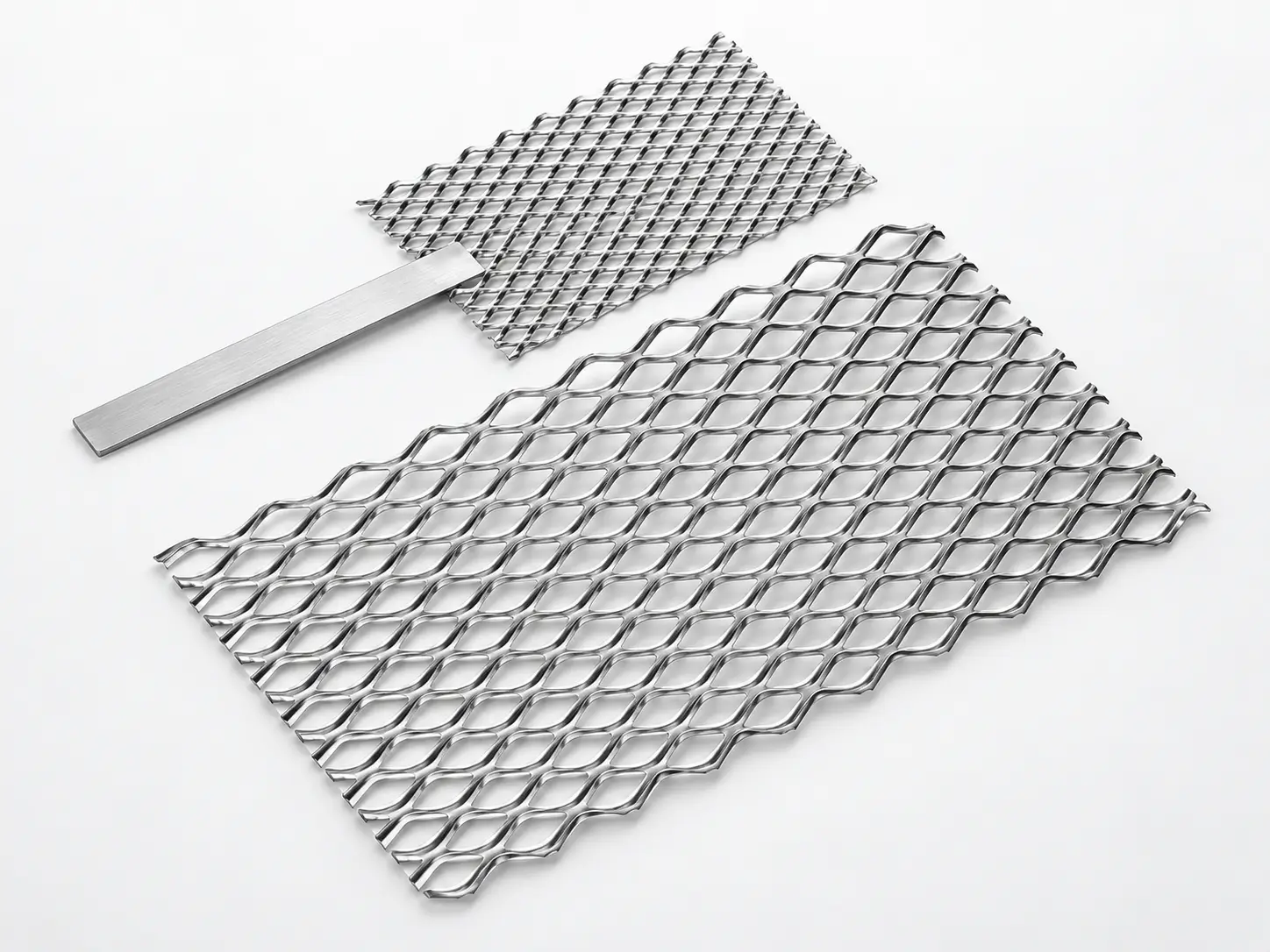
Platinized Titanium Mesh Anodes

Platinized Titanium Mesh Anodes

Best For:

High surface area, electroplating cells, laboratory electrolysis, water treatment tests, and flow-through electrochemical systems.

Design Factors:

Mesh opening, thickness, platinum thickness, active area, frame, tab, and connection method.

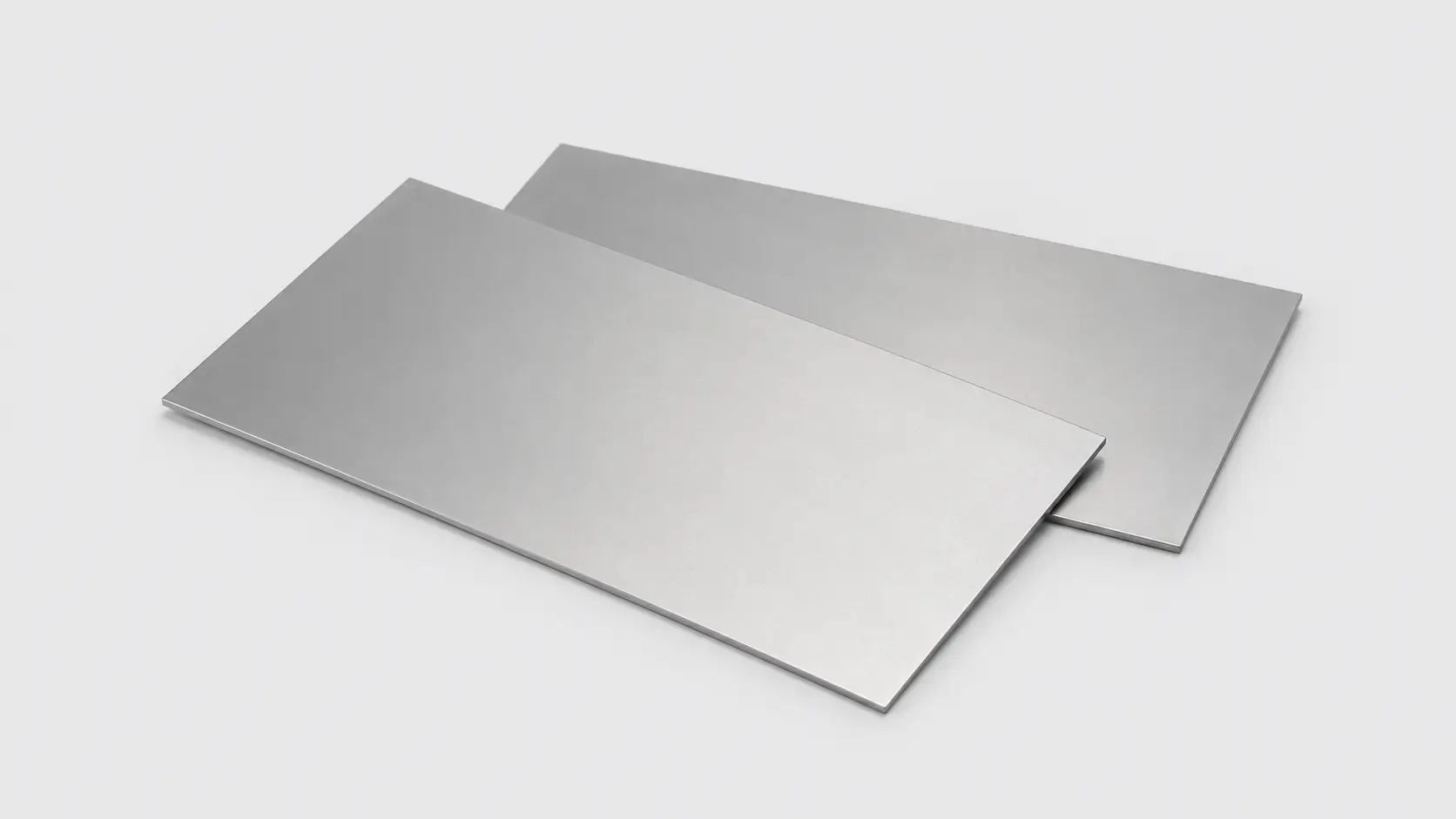
Platinum Coated Titanium Plate Anodes

Platinum Coated Titanium Plate Anodes

Best For:

Flat cell systems, electroplating, electrorefining, laboratory cells, and precision electrochemical equipment.

Design Factors:

Plate size, thickness, platinum-coated area, mounting holes, current distribution, and connection design.

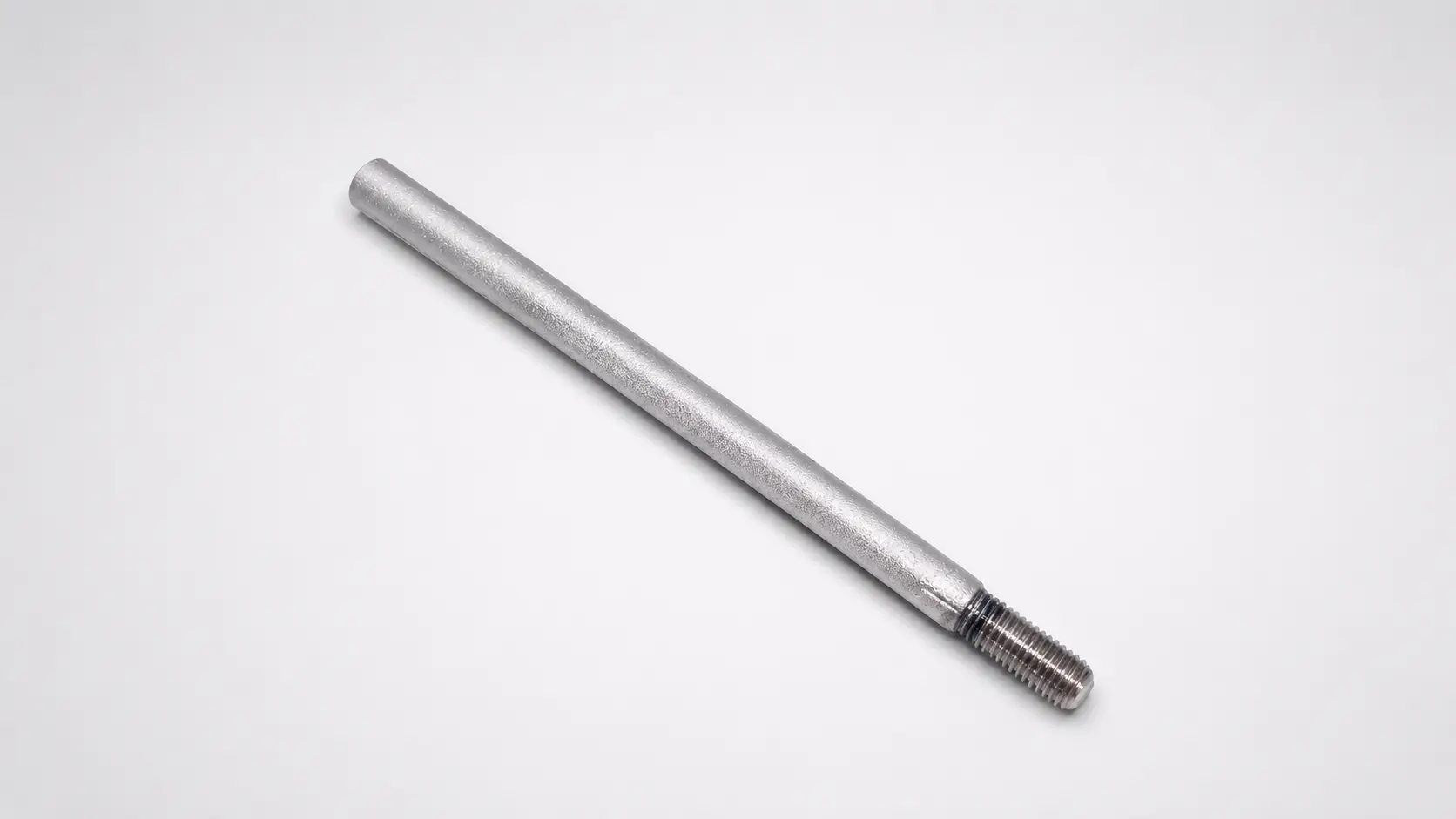
Pt/Ti Rod Anodes

Pt/Ti Rod Anodes

Best For:

Small electrochemical cells, laboratory testing, compact electrolysis systems, and prototype development.

Design Factors:

Rod diameter, length, platinum thickness, active area, thread, and electrical connection.

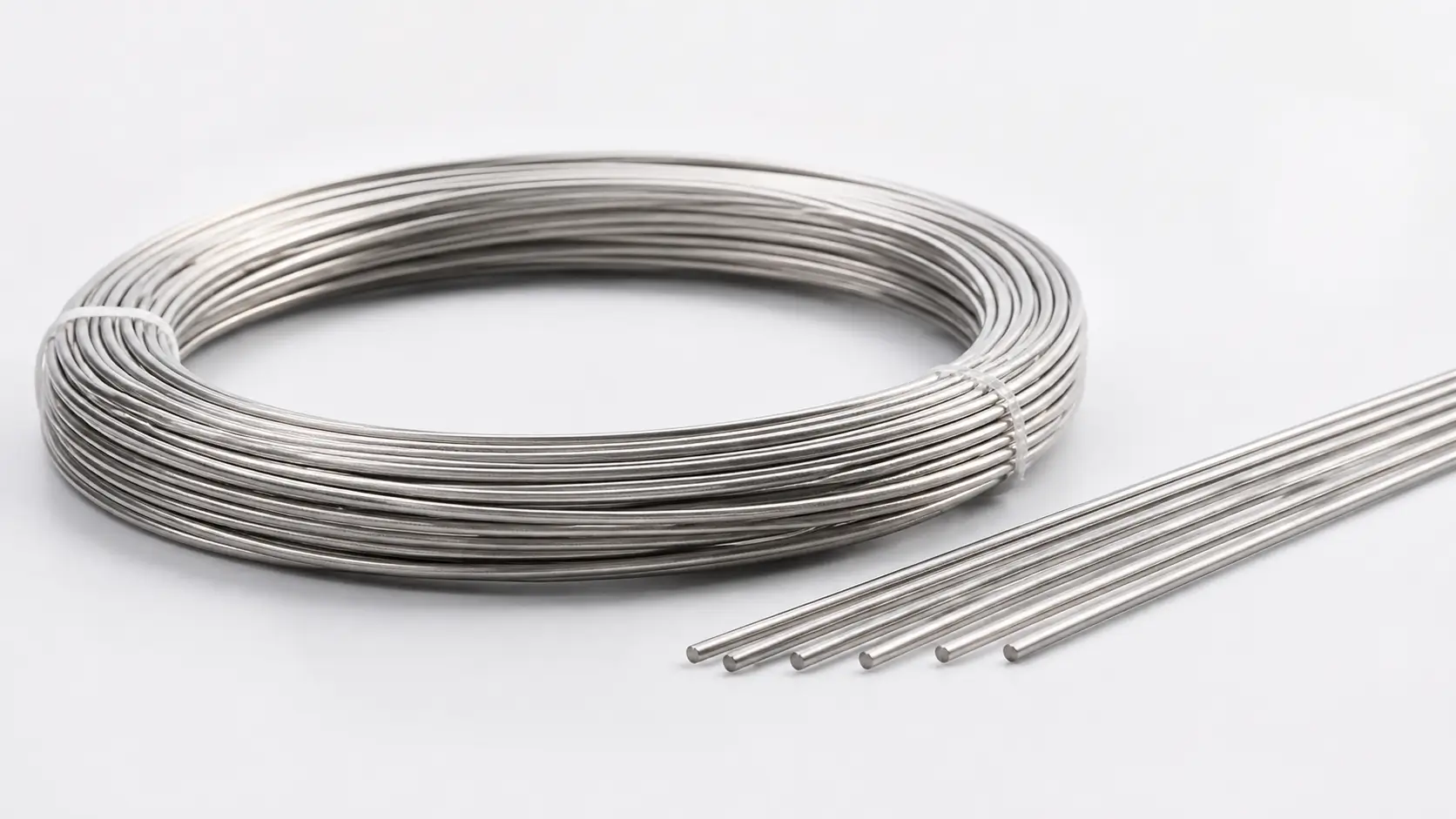
Platinized Titanium Wire Anodes

Platinized Titanium Wire Anodes

Best For:

Compact cells, reference setups, small electrochemical systems, sensor-related equipment, and custom electrode assemblies.

Design Factors:

Wire diameter, coil shape if required, platinum thickness, active length, and connection method.

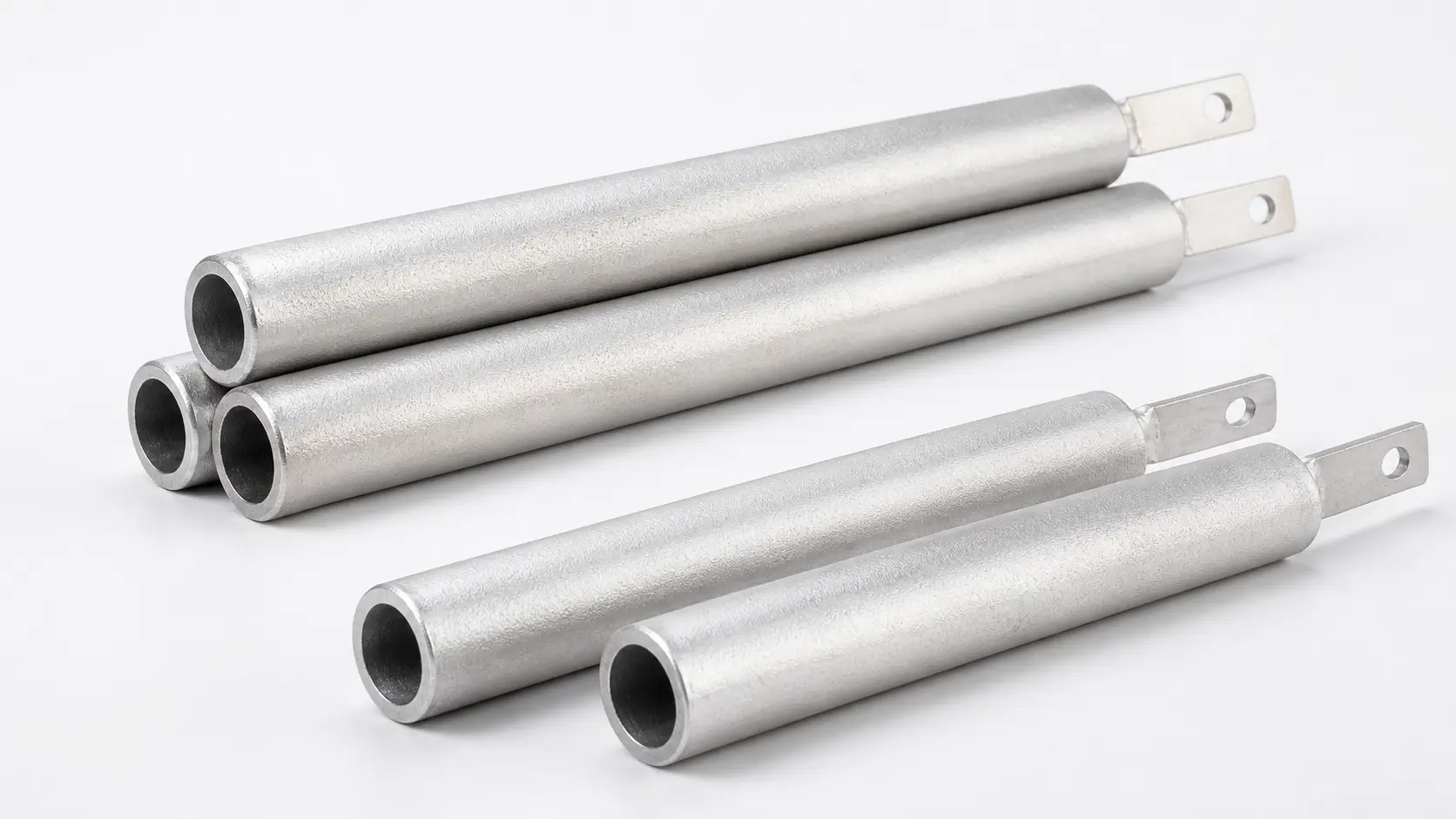
Platinized Titanium Tube / Cylinder Anodes

Platinized Titanium Tube / Cylinder Anodes

Best For:

Cylindrical cells, flow cells, compact electrolysis systems, and applications requiring radial current distribution.

Design Factors:

Tube diameter, length, wall thickness, coating area, connection position, and sealing method.

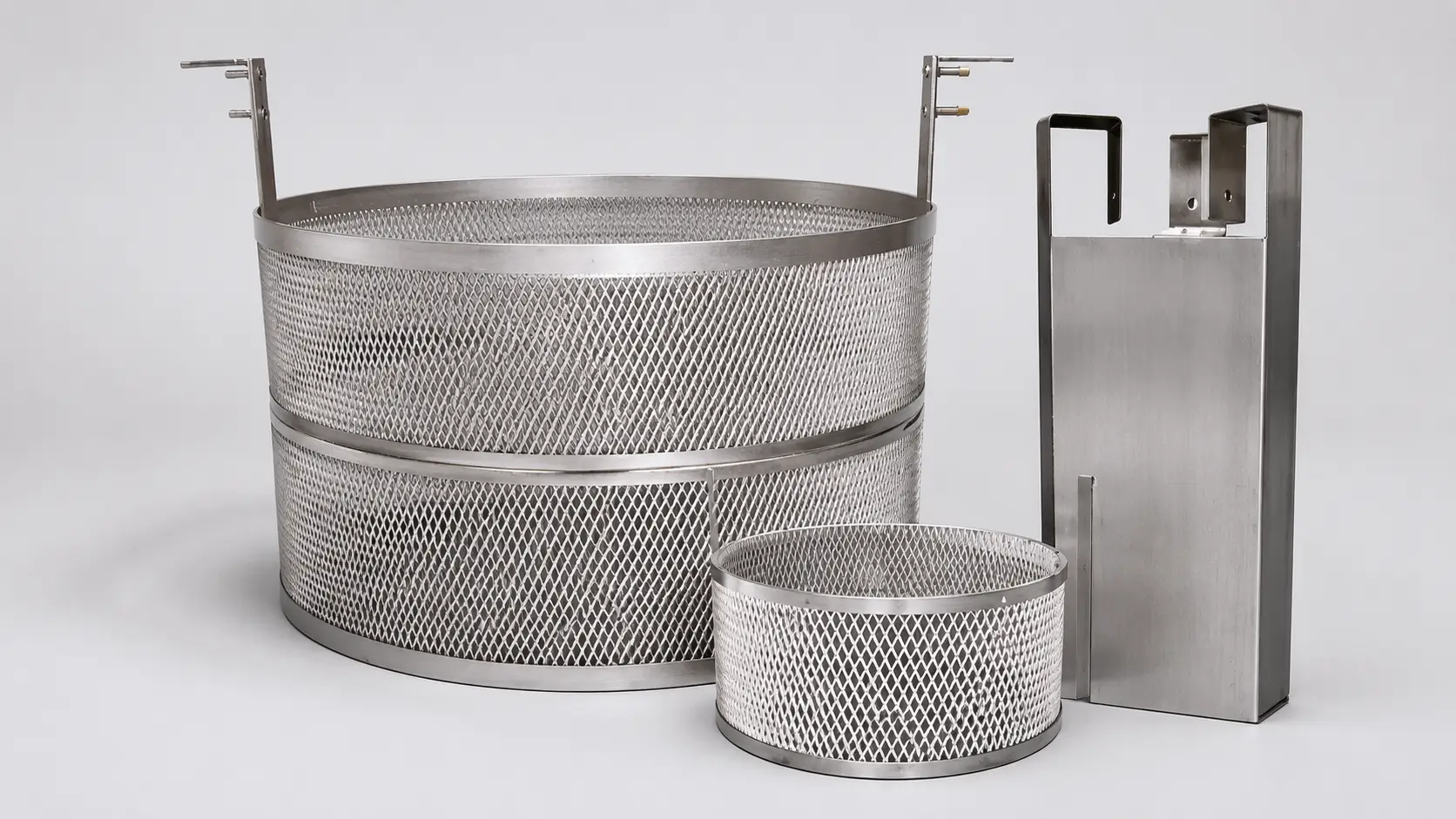
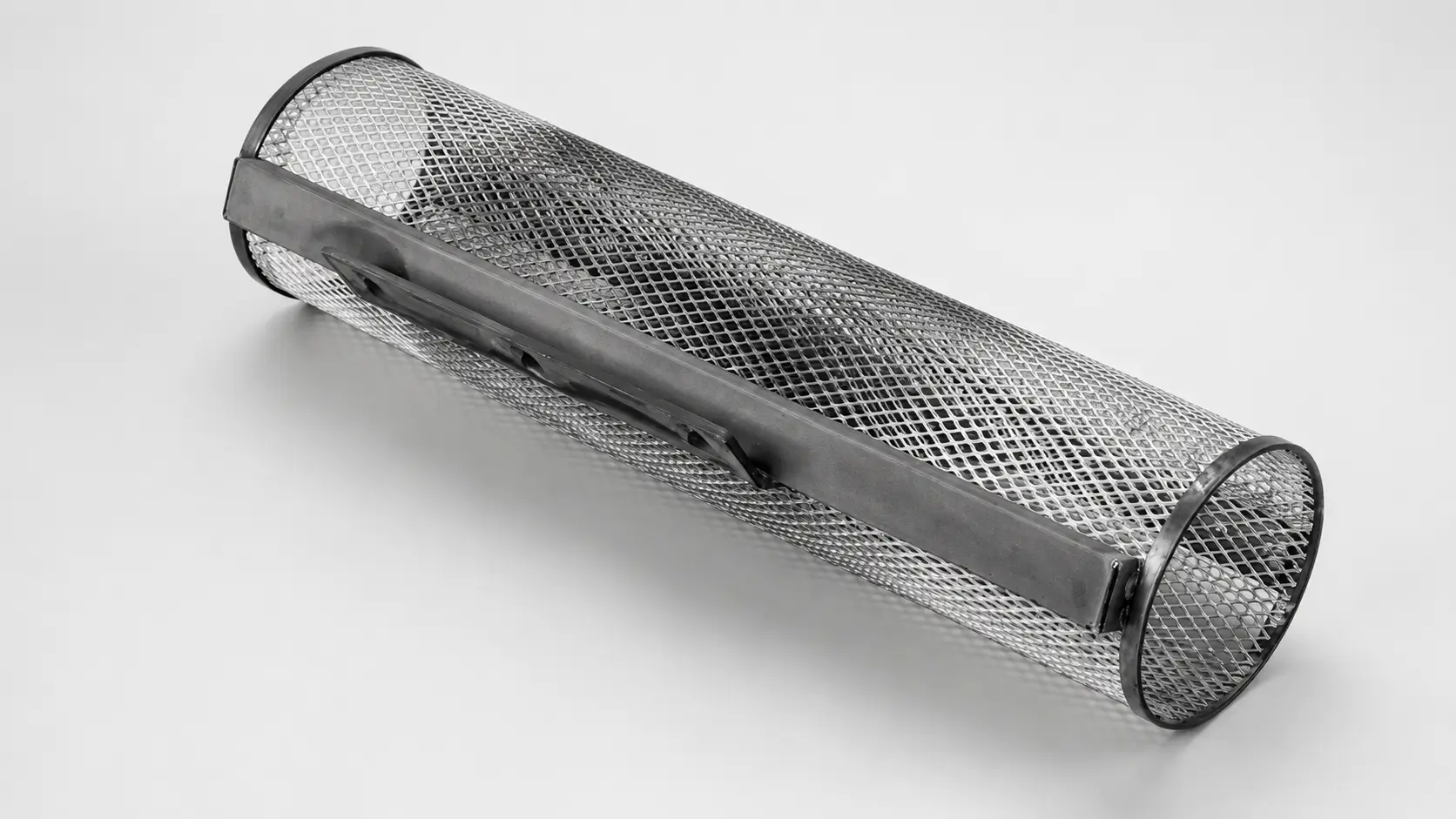
Platinized Titanium Basket Anodes

Platinized Titanium Basket Anodes

Best For:

Electroplating systems, precious metal plating, and applications requiring anode baskets or holding structures.

Design Factors:

Basket size, mesh type, platinum thickness, frame design, hook, and electrical contact area.

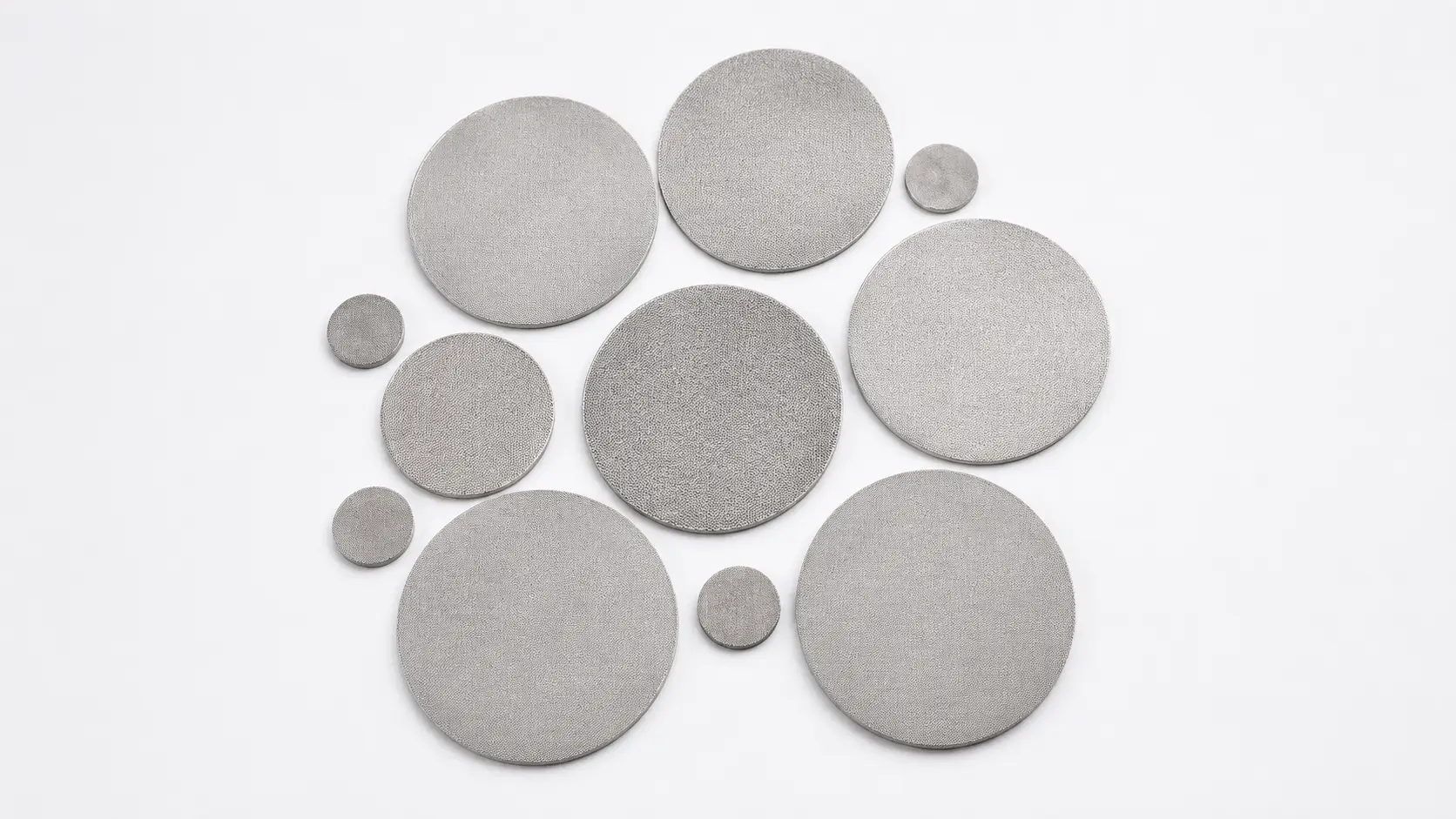
Pt/Ti Disc & Small Electrodes

Pt/Ti Disc & Small Electrodes

Best For:

Laboratory electrochemical cells, testing equipment, sensors, compact cells, and project-specific round electrode designs.

Design Factors:

Disc diameter, thickness, single-side or double-side coating, active area, mounting hole, and lead connection.

Custom Platinized Titanium Electrode Assemblies

Custom Platinized Titanium Electrode Assemblies

Best For:

OEM electrochemical systems, research equipment, precision plating systems, custom reactors, and pilot-scale testing systems.

Design Factors:

Drawing-based geometry, platinum thickness, active surface area, substrate form, connection design, frame, sealing, and documentation requirements.

Choose Platinized Titanium Anodes by Application

Different electrochemical applications require different platinum thickness, active surface area, substrate geometry, electrolyte compatibility, and connection methods. Use the guide below to match Pt/Ti anode designs with your process.

Precision Electroplating

Precision Electroplating

Electrolyte / Process

Metal plating baths requiring stable current distribution and clean electrode surfaces.

Common Forms

Mesh, plate, basket, rod, custom assemblies.

Key Design Factors

Bath chemistry, current density, plating uniformity, active area, and contamination control.

Precious Metal Plating

Precious Metal Plating

Electrolyte / Process

Gold, silver, platinum group metal, and specialty plating systems.

Common Forms

Mesh, basket, plate, custom assemblies.

Key Design Factors

Purity, current distribution, platinum thickness, bath compatibility, and operating cost.

Laboratory Electrolysis

Laboratory Electrolysis

Electrolyte / Process

Research cells, pilot systems, and electrochemical testing.

Common Forms

Wire, rod, disc, mesh, small plates.

Key Design Factors

Active area, geometry, repeatability, connection, polarity, and test conditions.

Electrochemical Research

Electrochemical Research

Electrolyte / Process

Analytical, R&D, and prototype electrochemical systems.

Common Forms

Disc, wire, rod, mesh, custom electrodes.

Key Design Factors

Electrode geometry, active area, surface condition, experimental repeatability, and documentation.

Electrorefining / Electrochemical Processing

Electrorefining / Processing

Electrolyte / Process

Selected refining or process chemistry applications where platinum surface performance is required.

Common Forms

Plate, mesh, rod, custom assemblies.

Key Design Factors

Electrolyte compatibility, current density, corrosion risk, purity requirements, and active area.

Custom Industrial Electrochemical Systems

Custom Industrial Systems

Electrolyte / Process

OEM cells, compact reactors, or special electrochemical equipment.

Common Forms

Custom Pt/Ti assemblies, mesh, plate, tube, wire.

Key Design Factors

Drawing-based geometry, connection method, sealing, platinum thickness, and documentation.

Custom-Engineered Pt/Ti Anodes for Your Specific Process

Pt/Ti anode design should be reviewed according to electrolyte chemistry, current density, voltage range, active surface area, platinum thickness, substrate geometry, connection method, and expected service conditions.

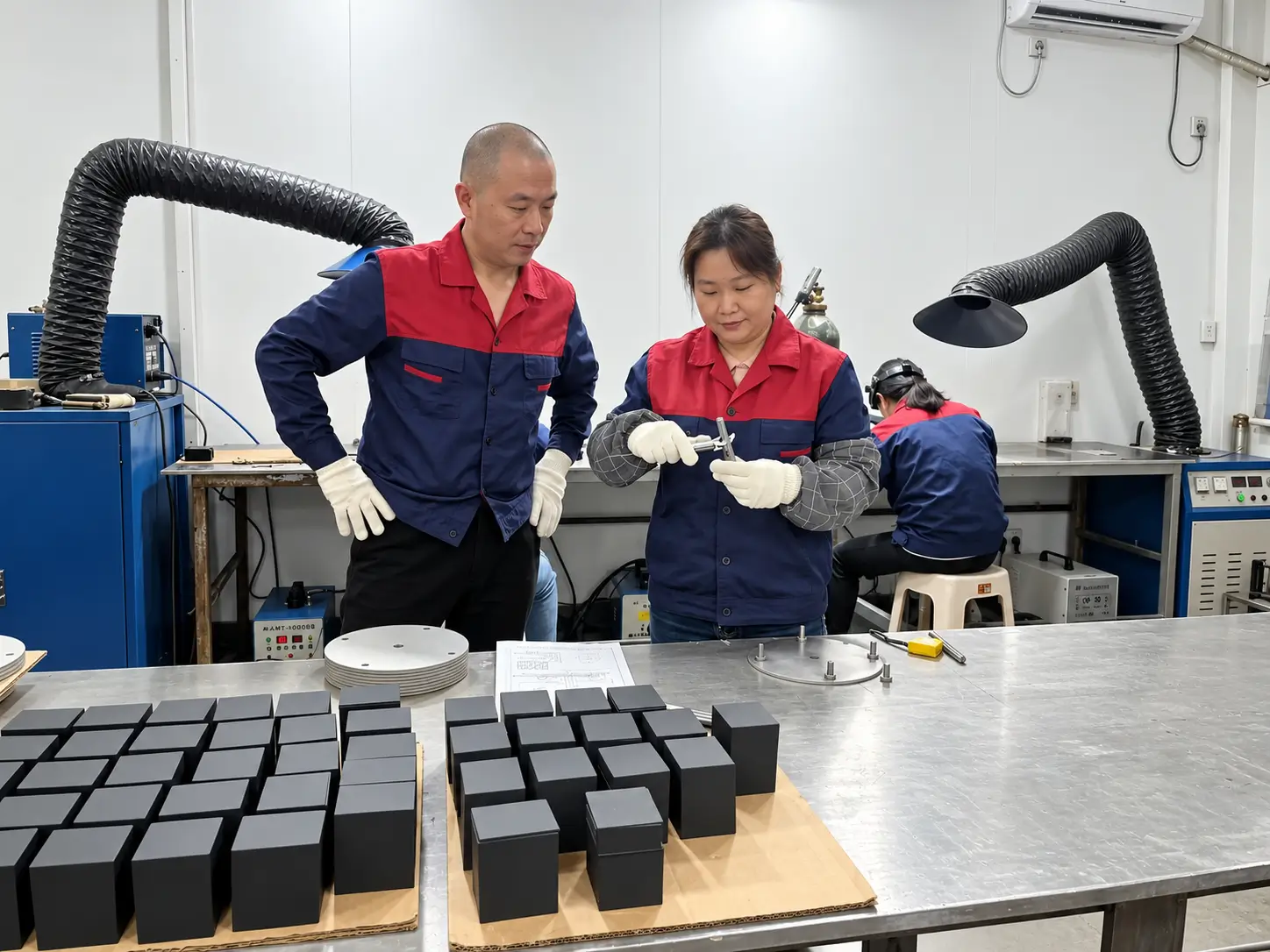
Engineer reviewing custom Pt/Ti anode design and platinum-coated samples
Factory Direct

Reviewing Pt/Ti anode drawings, platinum-coated samples, and custom electrode requirements.

Electrolyte Compatibility Review

Review bath chemistry, acidity, chloride content, complexing agents, and operating environment.

Platinum Thickness Selection

Review platinum thickness according to current density, service expectation, electrolyte, and budget.

Active Area & Geometry Design

Define active surface area, shape, spacing, and current distribution according to cell geometry.

Titanium Substrate Selection

Select mesh, plate, rod, wire, tube, basket, disc, or custom substrate based on installation needs.

Connection & Assembly Design

Customize tabs, hooks, cables, threads, frames, busbar contact, or special mounting structures.

Recoating & Lifecycle Support

Recoating or replacement can be reviewed based on substrate condition, application, and operating history.

What We Need From You

  • Application & electrolyte
  • Current density / voltage
  • Required form & dimensions
  • Platinum thickness requirement
  • Connection type or drawings
  • Target service expectation

Platinum Coating Quality Verified by XRF, Adhesion & Batch Traceability

Pt/Ti anode quality depends on titanium substrate preparation, platinum coating method, platinum thickness, coating coverage, adhesion, surface condition, connection integrity, and final documentation.

XRF Thickness Verification Adhesion & Surface Checks Substrate Preparation Batch Traceability
1
Titanium Substrate Preparation

Titanium Substrate Preparation

Titanium grade, dimensions, surface condition, and preparation requirements are reviewed before platinizing.

2
Platinum Coating Application

Platinum Coating Application

Platinum coating is applied according to the required thickness, active area, substrate form, and process requirements.

3
Platinum Thickness Review

Platinum Thickness Review

XRF or other thickness verification can be supported when required by the project.

4
Adhesion & Surface Review

Adhesion & Surface Review

Coating adhesion, visual condition, surface coverage, and active area are reviewed according to agreed inspection scope.

5
Electrical / Application Checks

Electrical / Application Checks

Selected electrical or performance-related checks can be supported according to project requirements.

6
Documentation & Traceability

Documentation & Traceability

MTC, coating records, inspection notes, labels, packing list, and project-specific documents can be prepared when required.

Available Documents May Include

MTC
Platinum coating record
XRF thickness report when required
Adhesion review notes when required
Dimensional inspection record
Visual inspection notes
Packing list
Product labels
Project-specific QC documents

Note: SEM or advanced surface morphology review can be available upon request if required for research or special technical projects.

What Affects Pt/Ti Anode Cost & Service Life?

Platinized titanium anode cost and service life depend on platinum thickness, active surface area, substrate form, electrolyte compatibility, current density, connection design, recoating possibility, and testing or documentation requirements.

Platinum Thickness

1. Platinum Thickness

Thicker platinum layers generally increase cost and may be selected for higher current density or longer service expectations.

Active Surface Area

2. Active Surface Area

Larger coated areas require more platinum and affect both cost and current distribution.

Substrate Form

3. Substrate Form

Mesh, plate, rod, wire, tube, basket, and custom assemblies require different preparation and coating routes.

Electrolyte Compatibility

4. Electrolyte Compatibility

Bath chemistry, acidity, chloride content, and additives can affect platinum surface performance.

Current Density

5. Current Density

Operating current density affects coating stress, service expectations, and thickness selection.

Recoating Potential

6. Recoating Potential

Recoating may be reviewed when the titanium substrate remains suitable after service.

Buyer Insight

The lowest Pt/Ti anode price is not always the best lifecycle value. Correct platinum thickness, active area, and electrolyte compatibility can help reduce premature replacement risk based on project requirements.

Why Engineers Source Pt/Ti Anodes from Hele Titanium

Hele Titanium supports global buyers with controlled platinum coating, custom titanium fabrication, Pt thickness verification, OEM geometry support, recoating evaluation, and export-ready documentation.

Factory-Direct Platinized Titanium Manufacturing

Titanium substrate preparation, platinum coating, assembly, inspection, and packing are supported through one manufacturing system.

Custom Platinum Thickness Review

Platinum thickness can be reviewed according to current density, electrolyte, active area, and service requirements.

Broad Pt/Ti Product Forms

Mesh, plate, rod, wire, tube, basket, disc, and custom electrode assemblies can be manufactured.

Precision Electrochemical Support

Application review is based on plating bath, research cell, current density, voltage range, and geometry.

Verification & Documentation Support

XRF, coating records, MTC, labels, packing documents, and project-specific documents can be supported when required.

Recoating & Project Support

Recoating, repeat supply, packing, labeling, and international delivery coordination are available for global buyers.

Technical FAQ: Platinized Titanium Anodes

Find practical answers about Pt/Ti selection, platinum coating thickness, operating limits, chemical compatibility, service life, recoating, and custom manufacturing.

What is a platinized titanium anode?
A platinized titanium anode is a titanium substrate coated with a controlled platinum layer. It provides a platinum active surface while using titanium as the lightweight and corrosion-resistant structural base.
What is the difference between Pt/Ti and solid platinum anodes?
Pt/Ti anodes use a platinum coating on a titanium substrate, significantly reducing material cost compared to solid platinum while still providing the required platinum active surface for electrochemical reactions.
What is the difference between platinized titanium and MMO anodes?
Platinized titanium uses a pure platinum surface, ideal for high-purity, precision, or specialized electrochemical systems. MMO (Mixed Metal Oxide) anodes use a catalytic oxide coating, typically more economical for large-scale industrial electrolysis like chlor-alkali or cathodic protection.
How do I choose platinum thickness?
Platinum thickness typically ranges from 0.5 to 5.0 microns and depends on your operating conditions—specifically electrolyte chemistry, current density, voltage window, and target service life. Thicker coatings generally offer longer operational life under higher loads.
Can platinized titanium anodes be used for electroplating?
Yes, they are highly effective for electroplating and metal finishing. They provide stable conductivity, clean electrode behavior, and prevent contamination of the plating bath, making them ideal for precious metal plating (gold, rhodium, palladium).
Can Pt/Ti anodes be used in laboratory electrolysis?
Absolutely. We manufacture Pt/Ti in various forms—such as wire, mesh, plate, and disc electrodes—specifically designed for laboratory electrochemical cells, analytical systems, and controlled experimental setups.
What forms of Pt/Ti anodes can you manufacture?
We can manufacture Pt/Ti anodes in almost any geometry, including mesh, solid plate, wire, rod, tube, disc, expanded metal, and complex custom baskets or assemblies tailored to your cell design.
Can Pt/Ti anodes be recoated?
Yes, recoating is often possible and cost-effective if the underlying titanium substrate remains mechanically sound, dimensionally stable, and free from severe passivation or structural corrosion.
How does current density affect Pt/Ti anode life?
Higher current densities accelerate the consumption rate of the platinum coating. Operating within the recommended current density limits for your specific electrolyte chemistry is critical to maximizing the anode's service life.
What documents can be provided with Pt/Ti anodes?
We typically provide a Material Test Report (MTR) or Mill Certificate for the titanium substrate, along with a Certificate of Conformance (CoC) detailing the platinum coating thickness and quality inspections.
What information is needed for a custom Pt/Ti anode quote?
To provide an accurate quote, please share your application details, electrolyte composition, operating current density, voltage window, required platinum thickness, anode dimensions (or drawings), and target quantity.
Can you manufacture custom Pt/Ti electrode assemblies from drawings?
Yes, our engineering team can fabricate complex custom Pt/Ti electrode assemblies directly from your CAD drawings or technical specifications, ensuring precise fit and performance for your OEM equipment.

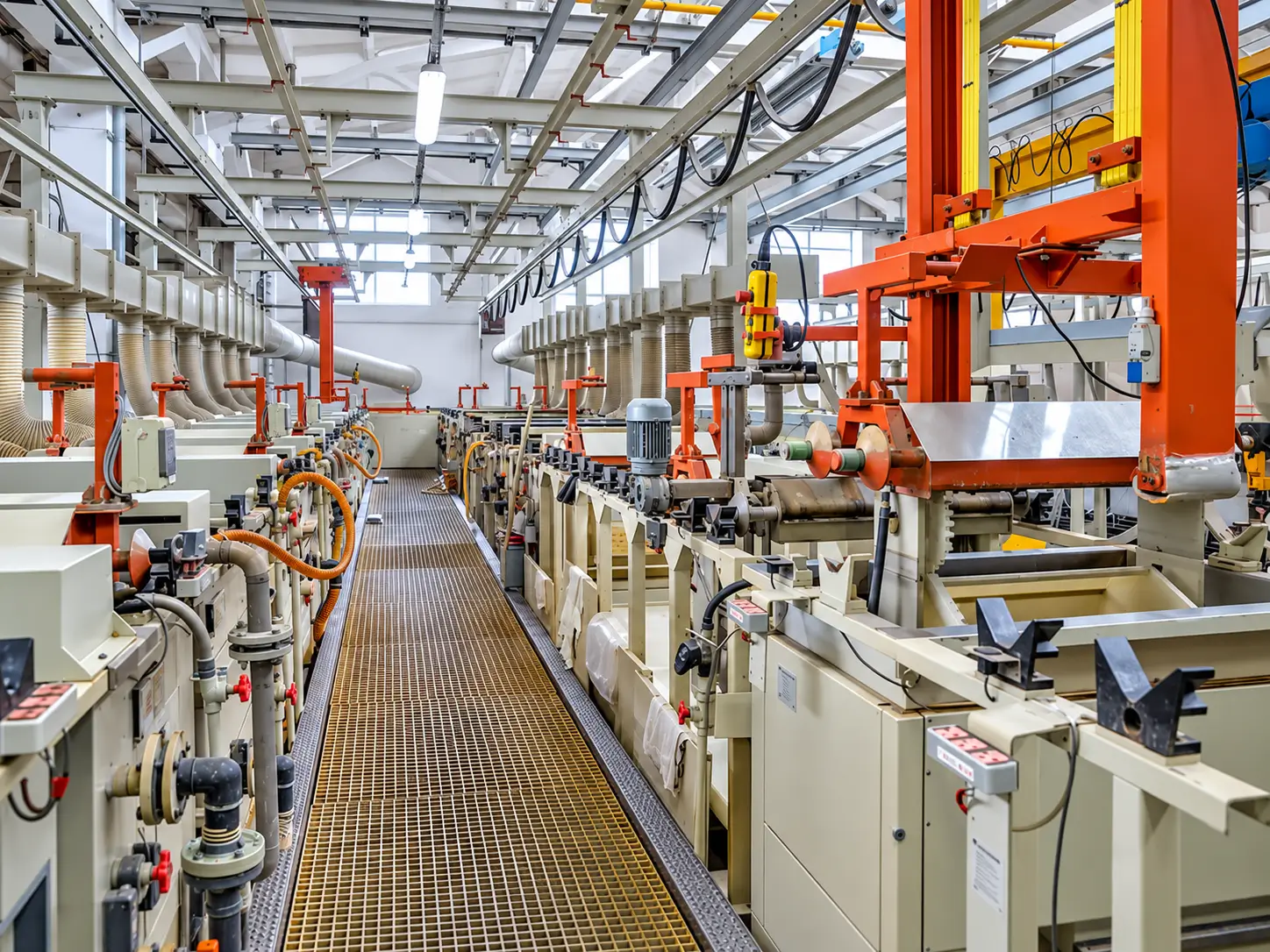
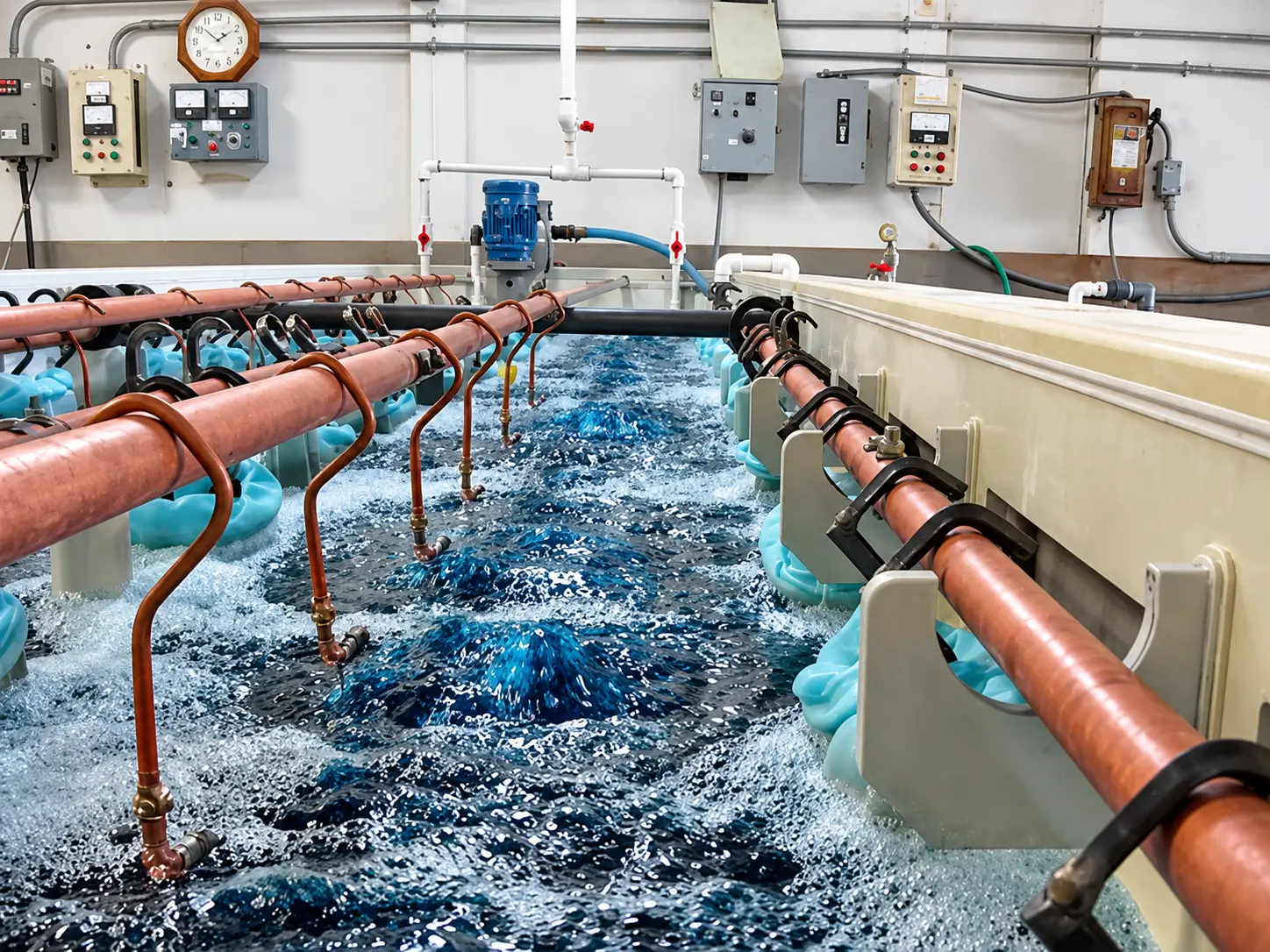
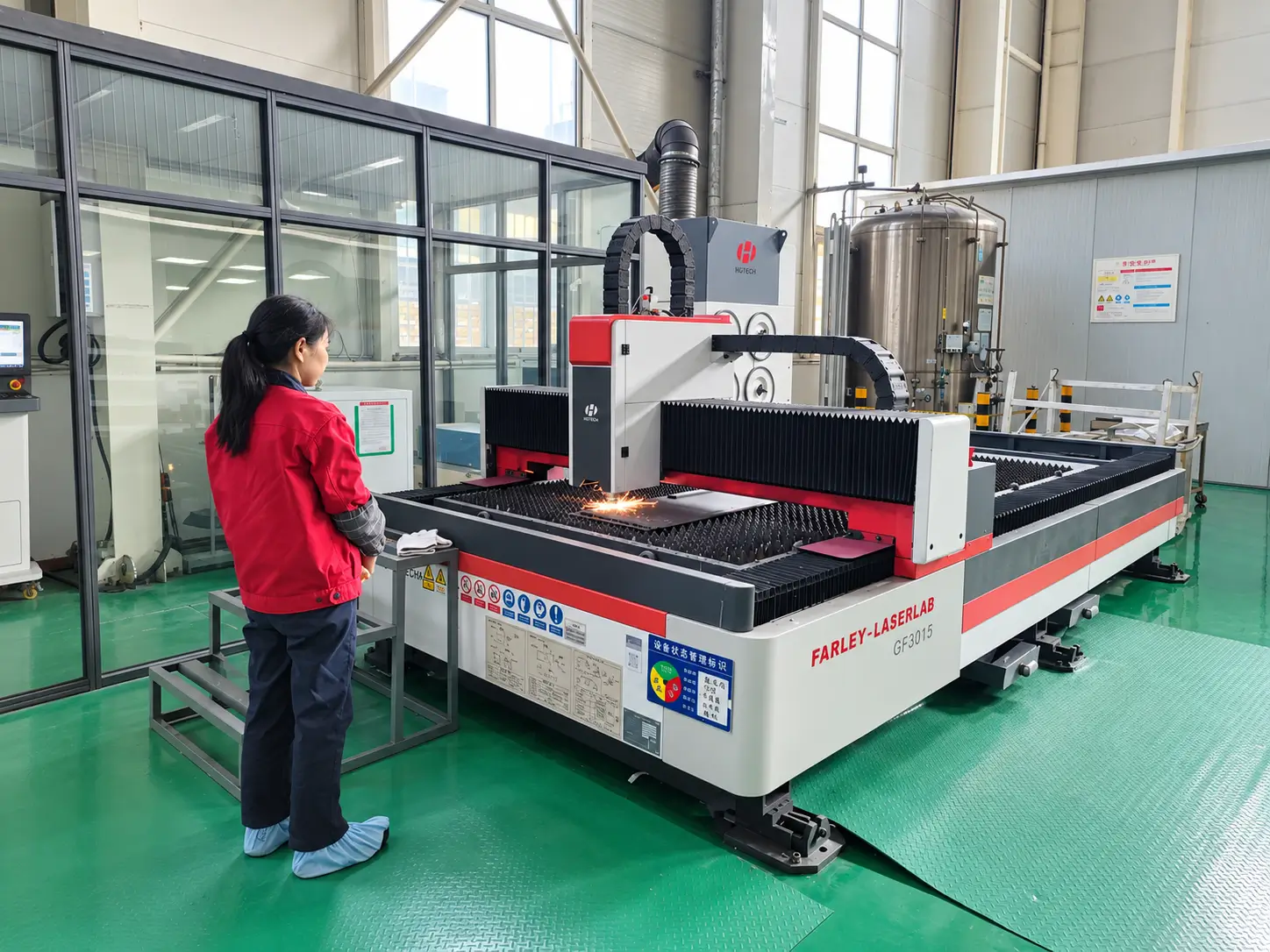
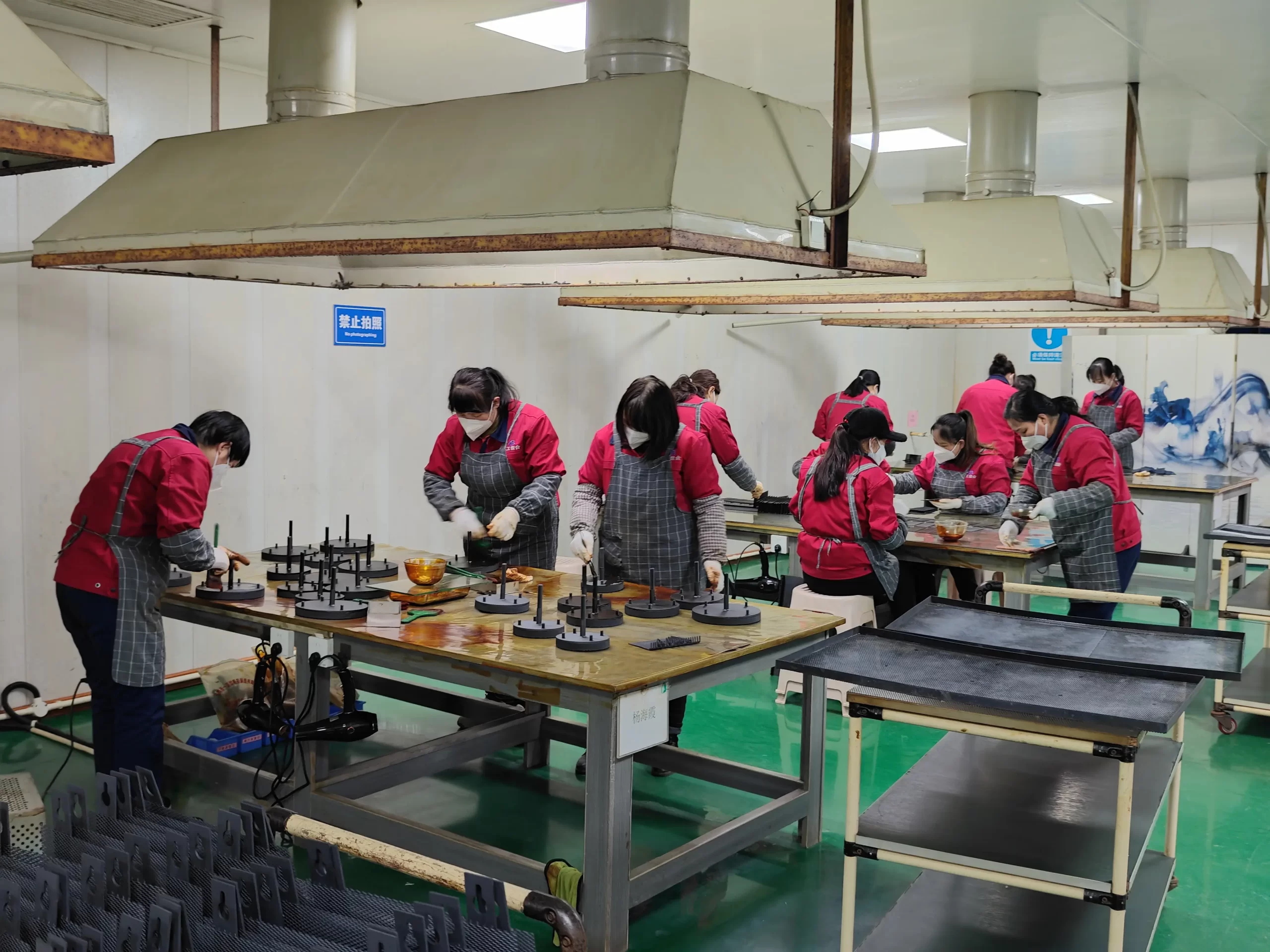
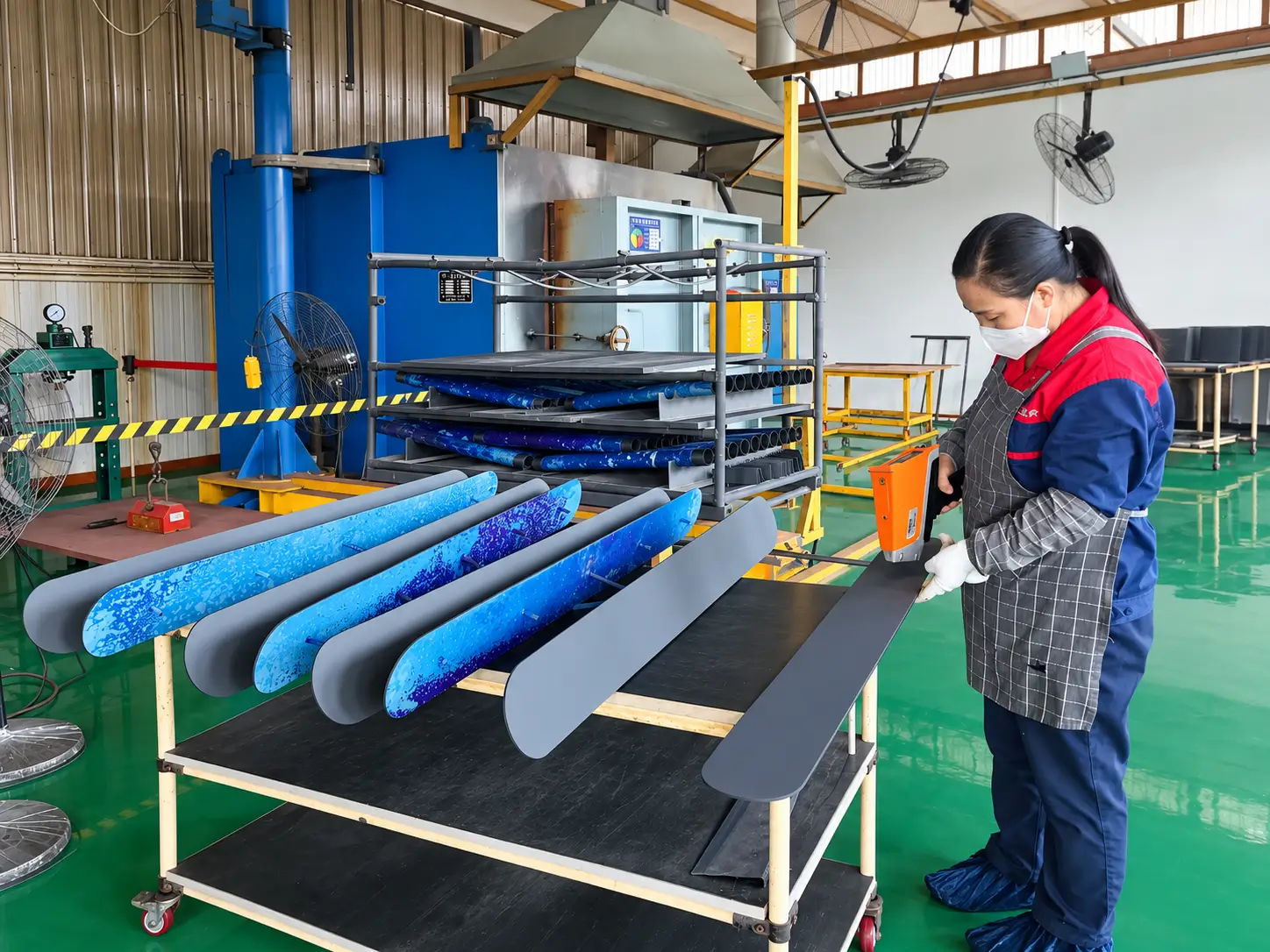
Inside Our Platinized Titanium Anode Manufacturing & Quality System

See how we prepare titanium substrates, apply platinum coatings, verify coated electrodes, and document Pt/Ti anode projects as a direct titanium anode manufacturer.

Direct Factory Support

Need production photos, platinum coating records, XRF reports, or technical documentation? Contact our team for direct factory support.

Request Documentation

The Definitive Guide to Platinized Titanium Anodes

Reading Time: 8–10 min | Buyer Type: Engineers / OEMs / Electroplating Buyers / Lab System Integrators | Product Scope: Pt/Ti Mesh, Wire, Plate, Rod, Disc & Custom Electrodes | RFQ Focus: Application, Pt Thickness, Current Density,

Platinized Titanium anodes combine the strength and corrosion resistance of titanium with a high-purity platinum catalytic surface. Their performance depends on platinum purity, coating thickness, coating technology, substrate preparation, current density, electrolyte chemistry, and operating discipline. This guide helps engineers and procurement teams specify Pt/Ti anodes with better performance, lower failure risk, and stronger lifecycle value.

Guide Overview

Before diving into the details, here is a quick summary of the 13 sections below. This comprehensive technical guide covers everything from the foundational mechanics of Pt/Ti anodes and material comparisons (vs. MMO and Solid Platinum) to actionable engineering guidelines for thickness selection, lifecycle maintenance, and preparing an accurate RFQ.

1. What Is a Platinized Titanium Anode?

A foundational overview of the composite structure and basic function of Pt/Ti anodes.

Platinized titanium anodes (often referred to as Pt/Ti anodes or platinum-coated titanium) consist of an ASTM B265 titanium base coated with a layer of high-purity platinum. The titanium provides structural integrity and corrosion resistance, while the platinum layer acts as a highly conductive, stable, and inert catalytic surface for electrochemical reactions.

2. How Platinum Coating Works on Titanium

Understanding the electrochemical mechanics and electron transfer pathways of the coating.

Through electroplating or thermal decomposition, a uniform platinum layer is bonded to the specially treated titanium substrate. Because titanium naturally forms an insulating oxide layer, the platinum coating serves as the primary pathway for electrical current to enter the electrolyte, ensuring efficient electron transfer without passivating the electrode.

3. Pt/Ti vs MMO Anodes

A comparative analysis of reaction suitability, electrolyte compatibility, and overall strengths.

Anode Type Best Reaction / Use Best Electrolyte Key Strength Limitation
Pt/Ti High-purity, inert, precision Plating baths, labs, H2 No contamination, high conductivity Higher initial cost
Ru-Ir MMO Chlorine Evolution (CER) Chloride-rich (brine) Cost-effective CER Poor OER durability
IrO₂ / Ir-Ta Oxygen Evolution (OER) Acidic, sulfate-based OER stability Not completely inert

4. Pt/Ti vs Solid Platinum

Why composite Pt/Ti delivers identical catalytic performance at a significantly optimized cost.

Comparison Factor Pt/Ti (Platinized Titanium) Solid Platinum
Material Cost Highly optimized (only surface uses precious metal) Prohibitively expensive
Catalytic Performance Identical (reaction occurs at the surface) Excellent
Structural Strength High (Titanium substrate provides rigidity) Soft, prone to deformation in large sizes
Scalability & Geometry Easily fabricated into large or complex 3D shapes Limited to small scale due to cost and weight
Weight Lightweight (Titanium density ~4.5 g/cm³) Extremely heavy (Platinum density ~21.45 g/cm³)

5. Common Pt/Ti Anode Forms

Exploring structural geometries tailored for specific current distribution and cell design needs.

Anode Form Structural Characteristics Primary Applications
Mesh Expanded metal, high surface area, excellent gas release, lightweight. Precious metal plating, water ionizers, electrodialysis.
Wire & Rod Flexible or rigid linear profiles, easy to bend/shape, concentrated current. Internal pipe plating, cathodic protection (ICCP), sensors.
Plate & Disc Solid planar surface, uniform current distribution, robust. Hard chrome plating, fuel cells, lab electrolysis, PCB plating.
Tube / Cylinder Hollow tubular structure, 360-degree current distribution. Deep well cathodic protection, continuous wire plating.
Custom (Baskets/3D) Engineered to specific drawings, complex welded structures. Specialized reactors, continuous roll-to-roll plating lines.

6. How to Choose Platinum Thickness

Engineering guidelines for matching coating thickness to target service life and current density.

Platinum Thickness Recommended Current Density Typical Service Life Ideal Use Case
0.5 - 1.0 µm < 500 A/m² 1 - 2 Years Water ionizers, low-intensity lab use, analytical sensors.
2.0 - 3.0 µm 500 - 2,000 A/m² 2 - 5 Years Standard electroplating (Gold, Rhodium, Silver), PCB manufacturing.
4.0 - 5.0 µm 2,000 - 5,000 A/m² 3 - 7+ Years Hard chrome plating, heavy industrial electrolysis, cathodic protection.
> 5.0 µm (Custom up to 20µm) > 5,000 A/m² Long-term continuous Highly aggressive environments, high-speed continuous plating.

7. Application-Based Selection

Identifying ideal industrial use cases, from precision electroplating to hydrogen generation.

Application Field Specific Use Case Core Advantage of Pt/Ti
Precious Metal Plating Gold, Rhodium, Palladium plating baths Zero bath contamination, guarantees a high-purity, flawless finish.
Hard Chrome Plating Piston rings, hydraulic cylinders, engine parts Replaces toxic lead anodes, longer lifespan, reduces hazardous waste.
Water Treatment Alkaline water ionizers, advanced oxidation (AOP) Safe for potable water, excellent catalytic activity, no secondary pollution.
Hydrogen Generation PEM & Alkaline water electrolysis High conductivity, extremely low overpotential for gas evolution.
Cathodic Protection (ICCP) Marine structures, deep well anodes, pipelines High current output in a small footprint, durable in harsh seawater.

8. Quality Testing Requirements

Essential QC protocols ensuring coating purity, adhesion, and operational durability.

Test Category Testing Method / Equipment Quality Assurance Purpose
Coating Thickness & Purity X-Ray Fluorescence (XRF) Spectrometer Verifies exact micron thickness and ensures 99.99% Pt purity without damaging the anode.
Adhesion Strength 3M Tape Test & 180° Bend Test Ensures the platinum layer is metallurgically bonded to titanium and will not peel or flake during use.
Accelerated Life Testing High Current Density Acid Bath (NACE standards) Simulates years of harsh operation to predict operational durability and identify potential failure points.
Surface Morphology Scanning Electron Microscopy (SEM) Checks for uniform coating distribution, micro-cracks, and surface porosity to guarantee optimal reaction area.

9. Recoating & Lifecycle Value

Maximizing ROI through substrate preservation and cost-effective re-platinization services.

Lifecycle Phase Action & Process Economic & Operational Value
Initial Deployment Install brand new Pt/Ti anode 100% baseline performance, guaranteed thickness, full operational efficiency.
End of Coating Life Platinum layer wears thin, cell voltage begins to increase Substrate remains intact if removed before total titanium passivation occurs.
Recoating Process Strip old coating residues, re-etch titanium, and re-platinize Saves 40% - 60% compared to purchasing a brand new anode, reducing waste.
Second Lifecycle Redeploy the recoated anode into the system Restores original catalytic performance; drastically lowers long-term CAPEX and OPEX.

10. Common Failure Causes

Critical operational limits and environmental factors that accelerate premature degradation.

Warning: Respect Operating Limits

To maximize service life, avoid these common causes of rapid, irreversible premature failure:

  • Fluoride Risk: Fluoride ions aggressively attack titanium, causing the platinum to delaminate.
  • Voltage Risk in Chlorides: Operating above ~8V in chloride solutions causes breakdown pitting of the titanium base.
  • AC Ripple: High AC ripple from poorly rectified power supplies accelerates platinum wear.
  • Reverse Polarity: Reversing the current will destroy the coating.

11. Operating & Maintenance Guidelines

Best practices for handling, power regulation, and post-operation cleaning procedures.

O&M Category Best Practice Guideline Rationale / Impact
Power Regulation Ensure stable DC power with <5% AC ripple. Never reverse polarity. High AC ripple and reverse polarity cause immediate and irreversible platinum delamination.
Handling Wear clean gloves. Do not scratch, abrade, or drop the anode. Mechanical damage removes the micron-thin platinum layer, exposing the titanium base to rapid passivation.
Post-Op Cleaning Rinse thoroughly with deionized (DI) water immediately after removal from bath. Prevents corrosive salts and chemicals from crystallizing on the active surface, which blocks electron transfer.
Storage Store dry in a protected, non-corrosive environment when not in use. Maintains surface purity and prevents accidental contamination before the next operational cycle.

12. Supplier Evaluation Checklist

Key criteria for qualifying a capable, transparent, and reliable Pt/Ti anode manufacturer.

  • Can the supplier explain Pt/Ti vs MMO selection?
  • Can they recommend Pt thickness based on current density?
  • Can they provide XRF coating data?
  • Can they support adhesion and life testing?
  • Can they manufacture custom forms from drawings?
  • Can they support no-MOQ R&D prototypes?
  • Can they provide CoC, test reports, MTC, and traceability?
  • Can they support recoating services?

13. RFQ Checklist

Essential data points required for accurate technical proposals and cost estimations.

To ensure an accurate technical proposal and quotation, prepare the following 18 data points before submitting your RFQ:

Application
Electrolyte composition
Required Pt thickness
Current density
Voltage window
Operating temperature
Target service life
Required form (mesh, wire, plate, rod, tube, disc, basket, or custom)
Active area
Dimensions
Connection type
Quantity
Recoating requirement (if applicable)
Testing requirements
Documentation requirements
Drawing or sample photos (if available)
Destination country or port
Delivery schedule

Need Help Specifying the Right Pt/Ti Anode?

Send your application, electrolyte composition, current density, voltage window, required Pt thickness, anode form, dimensions, and drawing requirements to Hele Titanium. Our team will help you review the most suitable Pt/Ti design for your system.

Contact
Pt/Ti ANODE INQUIRY

Get Your Custom Platinized Titanium Anode Solution

Tell us your electrolyte chemistry, current density, voltage range, active area, platinum thickness requirement, anode form, quantity, and drawing needs. Hele Titanium will help review the suitable Pt/Ti anode design for your process.

  • Platinum Thickness & Coating Review
  • Mesh, Plate, Rod, Wire, Basket & Custom Forms
  • XRF / Coating Record Support When Required
  • Engineering Review, Recoating & Export Support

Direct Contact:

sales@heletitanium.com

Room 1206, Building 1, Huaxia Yue World

Request a Pt/Ti Anode Quote

Supported formats: PDF, JPG, PNG, STEP, IGES, STL, DWG (Max 20MB)

We typically respond within 24 hours.