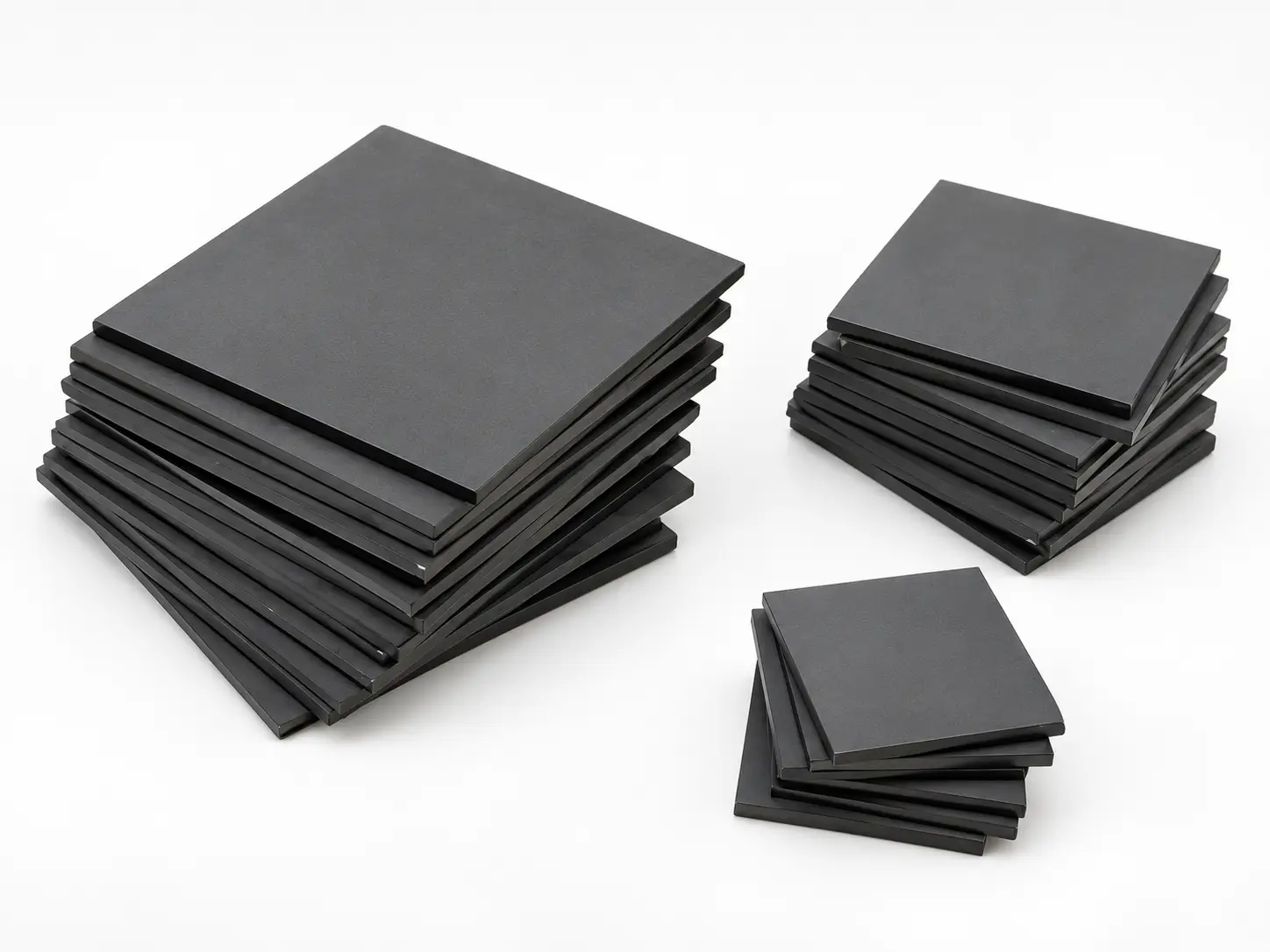
Silicon-Substrate BDD Plates
Confirm substrate grade/thickness, brittleness and edge handling, film side/area, connection and reactor support.

Boron-Doped Diamond · Electrochemical Oxidation
Engineering supply of BDD electrode plates, assemblies and modules reviewed against the substrate, diamond-film architecture, boron-doping basis, active area, current duty, electrolyte, reactor interfaces and qualification evidence.
Important boundary: Supplier-role boundary: the present record does not prove that every CVD diamond-film step is performed on a HELE-owned line. The order must identify the approved film source, substrate, integration scope, tests and change-control responsibility.
BDD performance depends on the complete electrode: substrate, interface or interlayer where applicable, CVD diamond film, boron incorporation, non-diamond carbon, active area, contacts, seals and the electrochemical environment. A broad claim such as “wide potential window” does not define treatment performance or life.
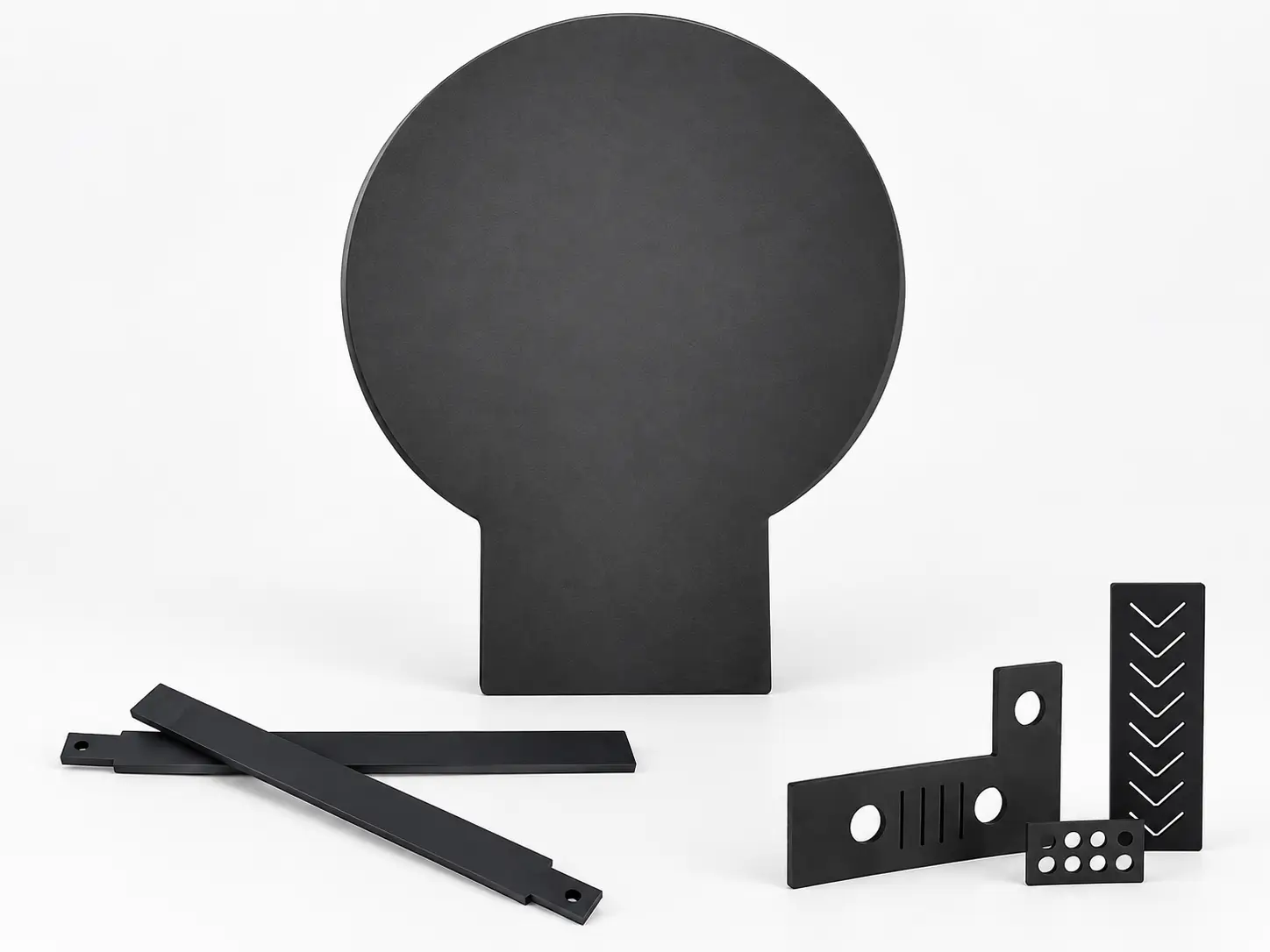
These are engineering configuration families, not interchangeable catalogue claims. Final supply follows the approved project data and drawing.
Confirm substrate grade/thickness, brittleness and edge handling, film side/area, connection and reactor support.
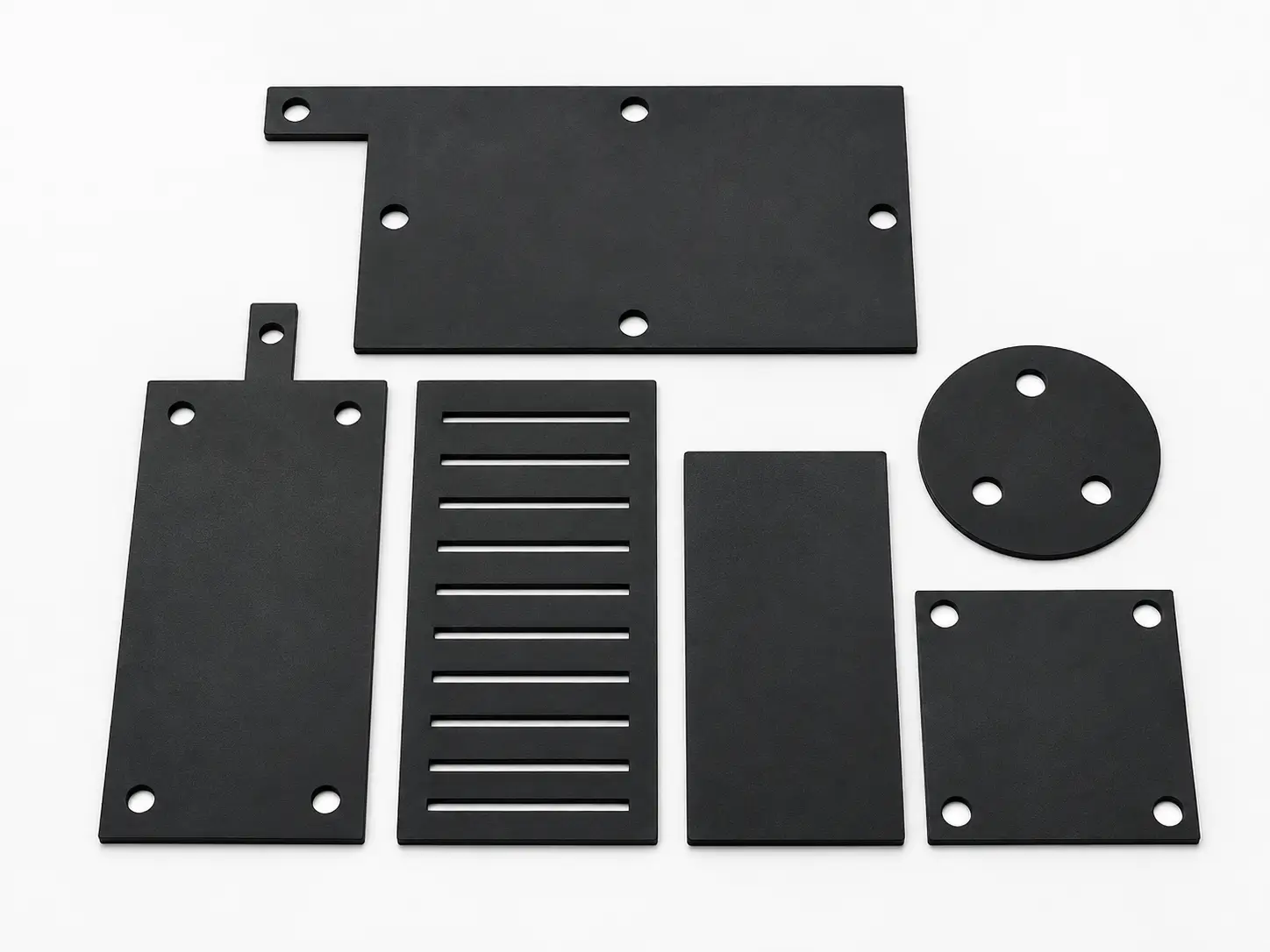
Confirm niobium basis, interface architecture, film coverage, dimensions, active zones, connection and qualification.
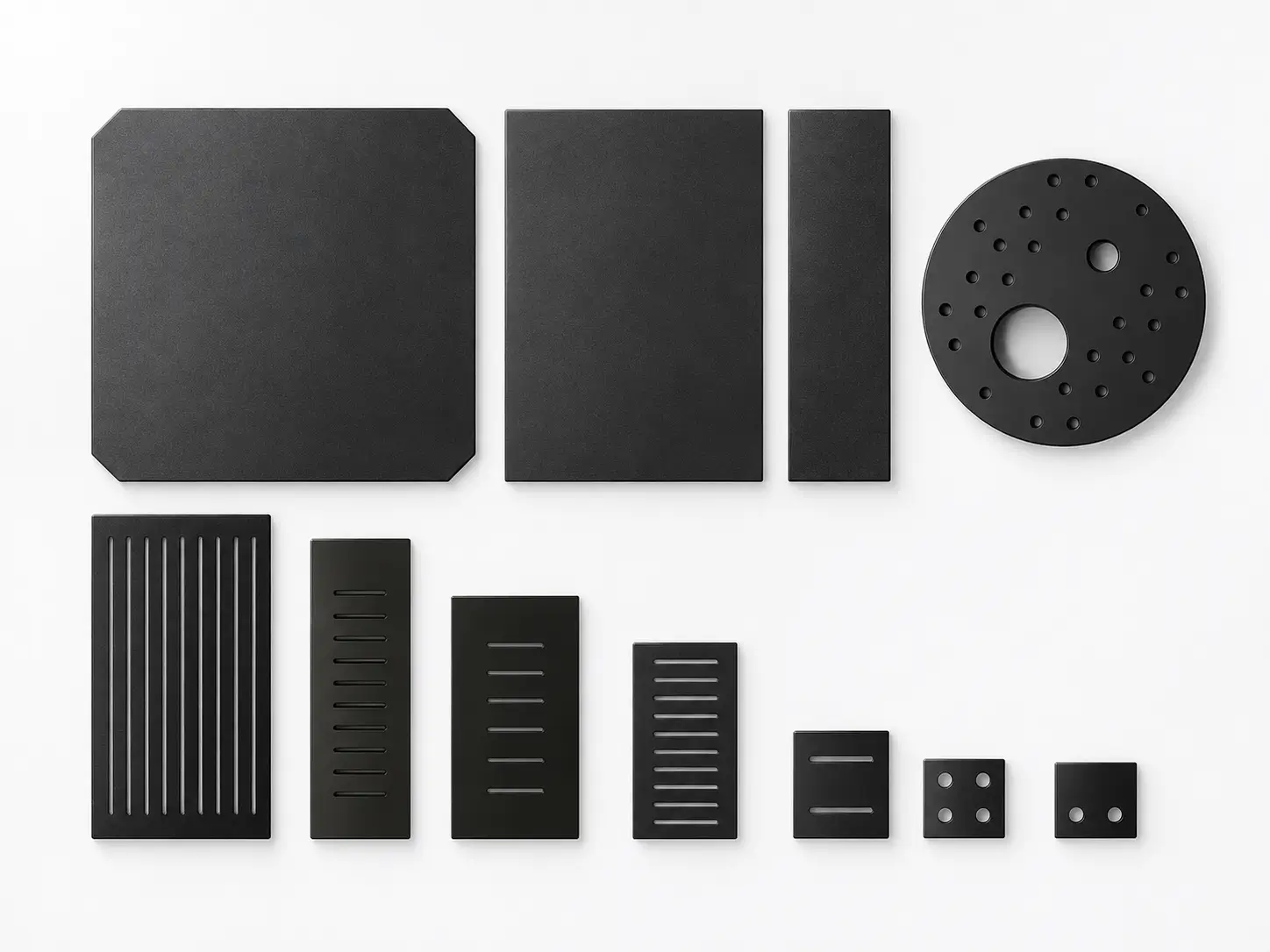
Drawing-based flat electrodes controlled by active area, film evidence, mounting, sealing, gap and electrical feed.
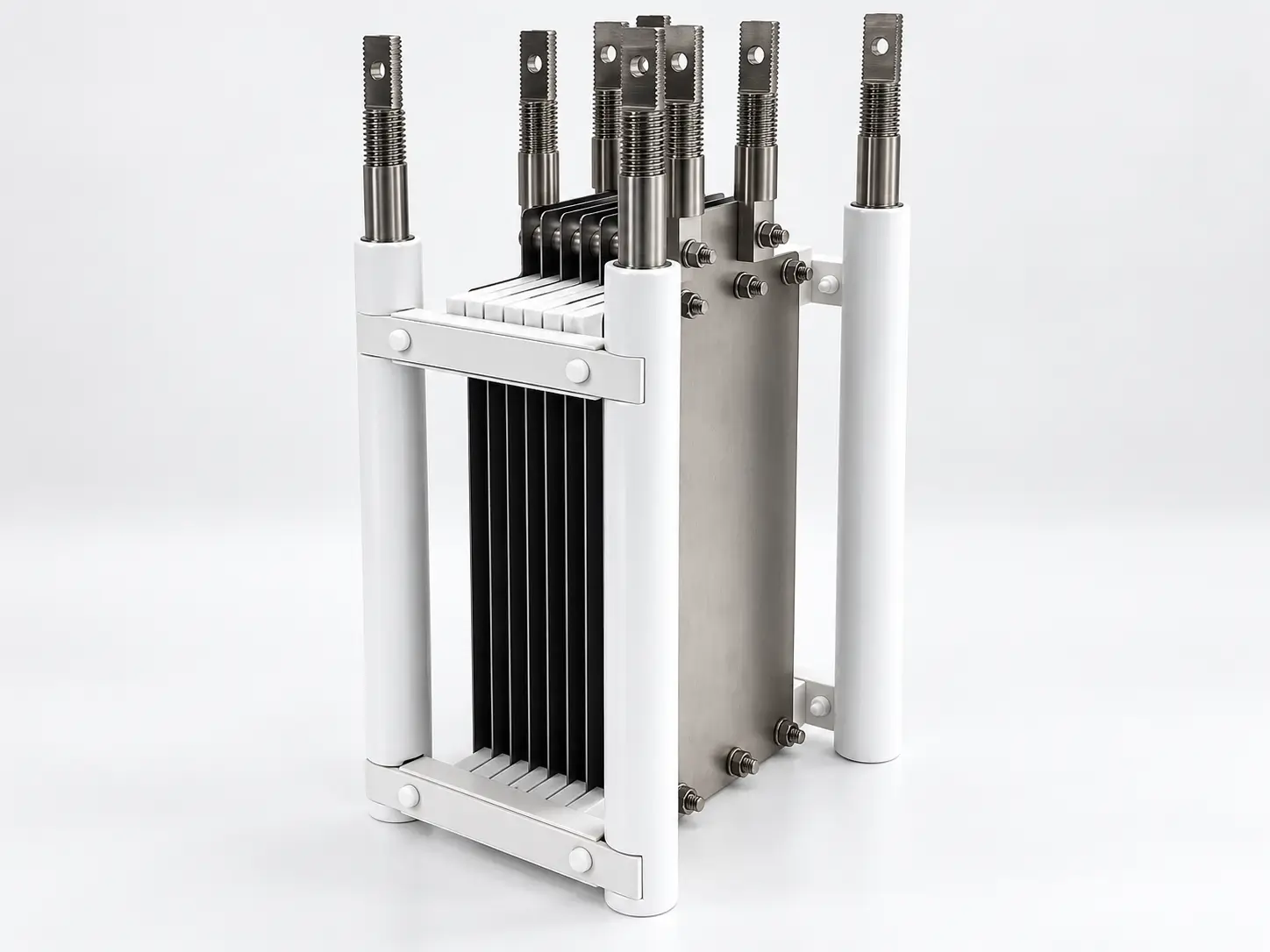
Define true active-area convention, geometry, mass transfer, current distribution and cleanability; do not infer capacity from envelope size.
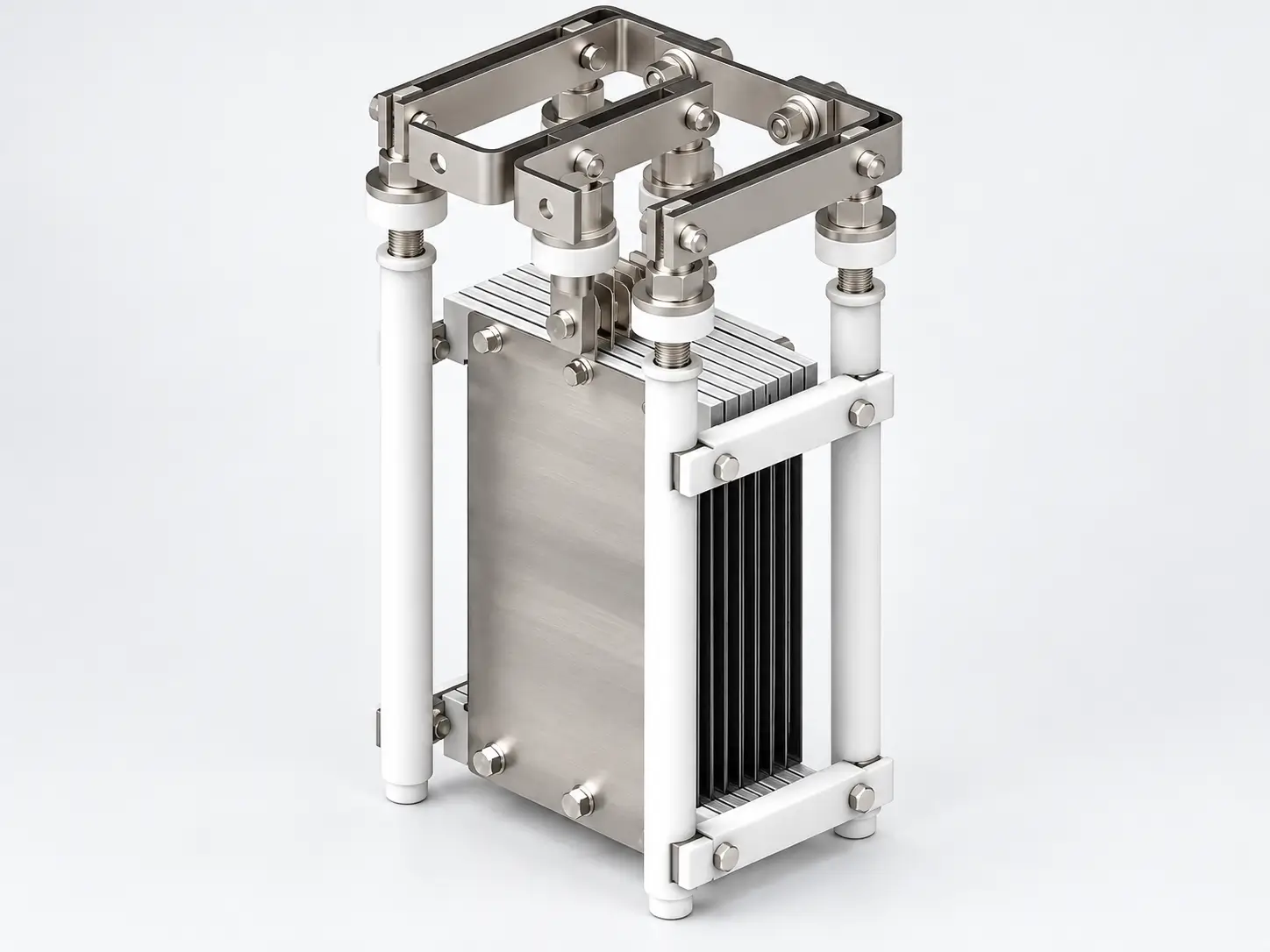
Separate electrode acceptance from frame, counter-electrode, hydraulics, power, sensors and full-process responsibility.
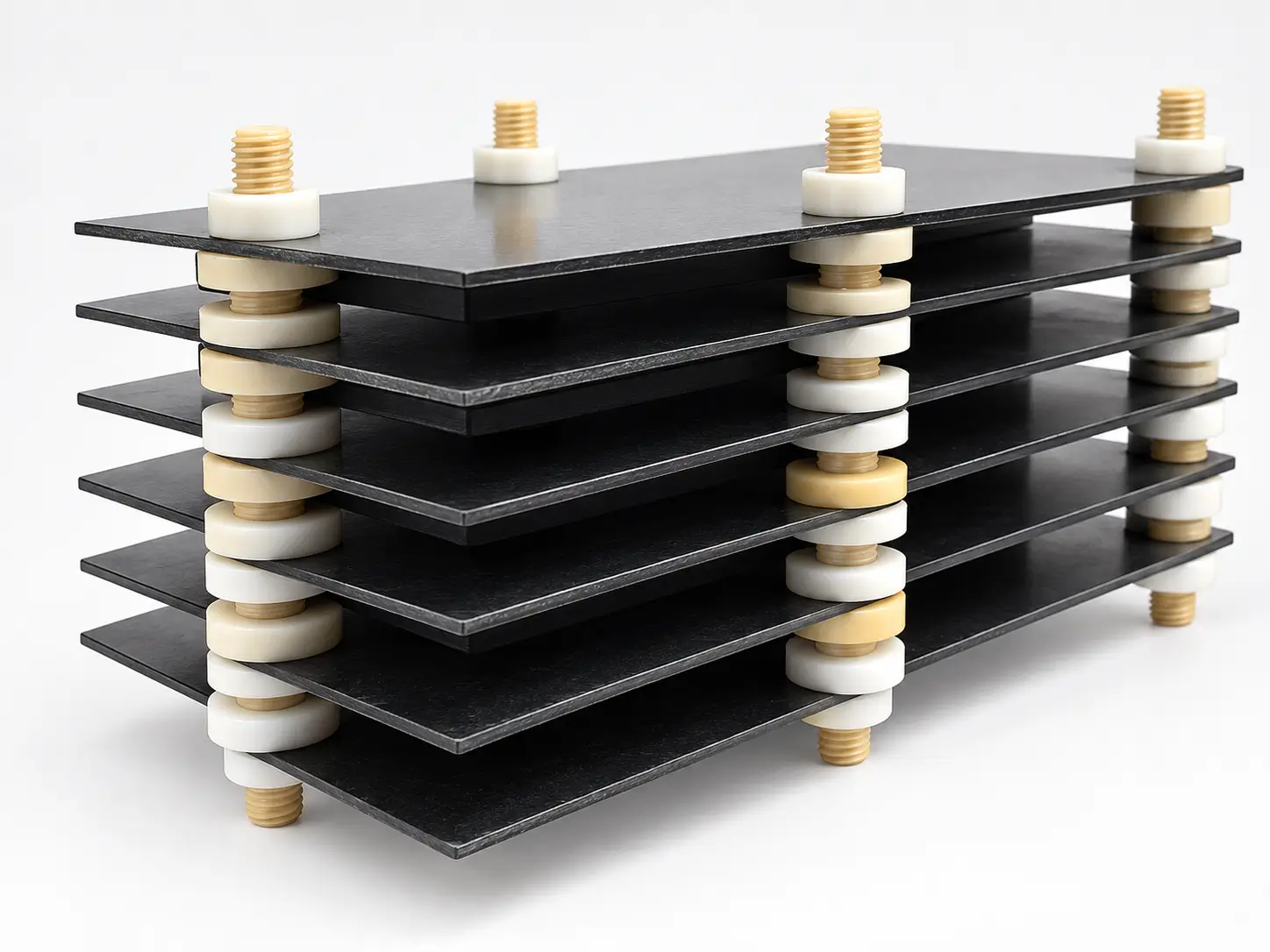
Control exposed area, back contact, reference/counter setup, electrolyte, conditioning and reproducible test method.
Provide existing drawing, substrate/film record, failure history, reactor conditions and interface details before equivalence is claimed.
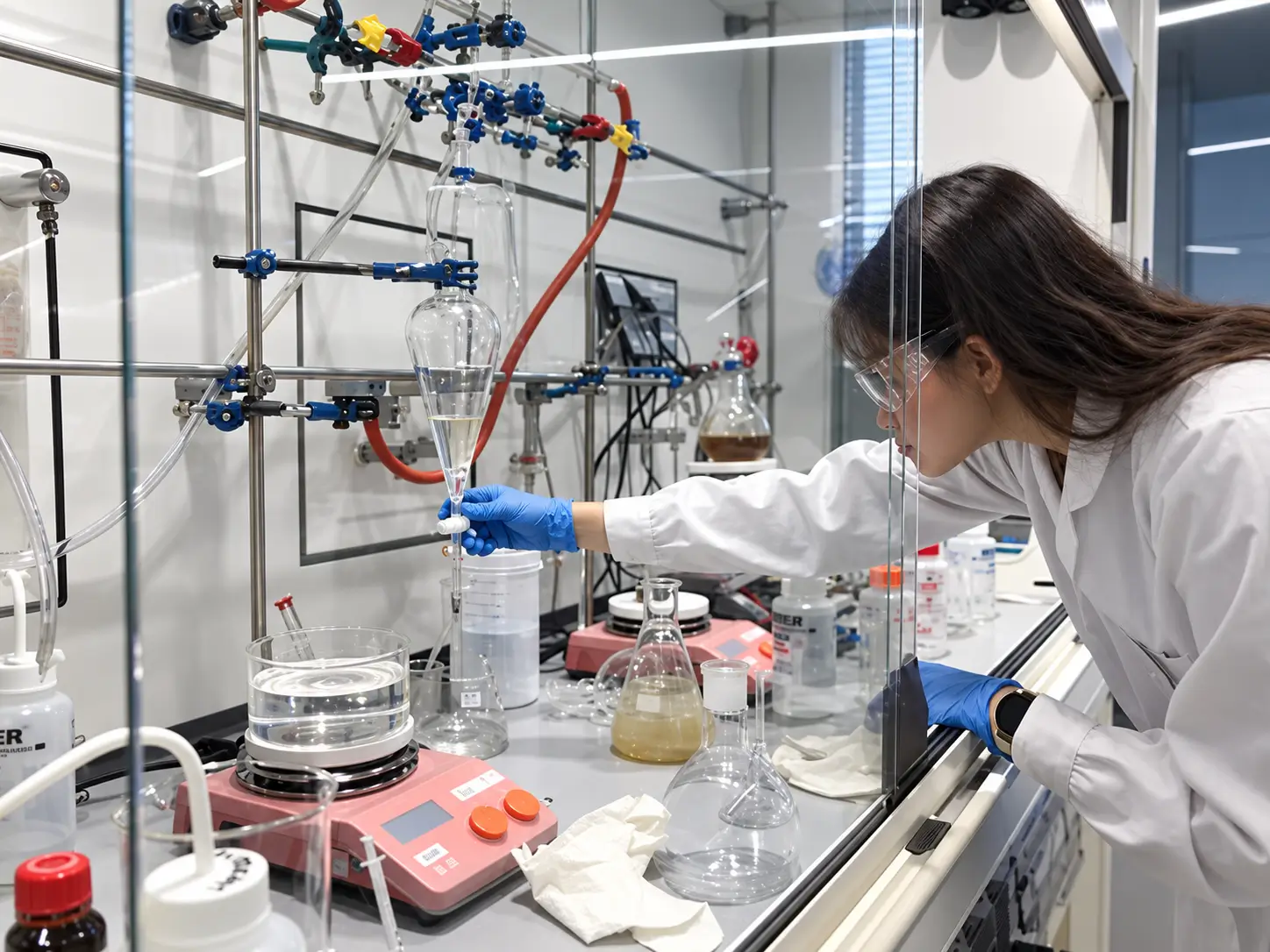
Use representative matrix, defined analytical methods and scale-up boundaries before commercial performance is discussed.
Every claimed characteristic needs a definition, method, units, sampling, acceptance and relationship to the delivered product or system.
| Characteristic | RFQ / PO definition | Evidence when ordered |
|---|---|---|
| Substrate | Material, grade/purity, thickness, dimensions, surface/edge and mechanical limits | MTC or supplier certificate, dimensions and traceability |
| Diamond film | CVD route/source, side/zone, thickness or mass basis, morphology and interface architecture | Process/qualification record and agreed film evidence |
| Boron / conductivity | Controlled doping or electrical-property metric, units, sampling and method | SIMS, Hall, resistivity or another agreed method where applicable |
| Diamond quality | Required Raman features, sp³/sp² or non-diamond-carbon acceptance and sampling | Raman method, locations and interpretation basis |
| Geometry & connection | Active area, masked zones, contact, seal, support, gap and reactor interface | Approved drawing and dimensional/electrical inspection |
| Process duty | Matrix, current/area basis, voltage, temperature, flow, target, analytics and end point | Treatability/pilot or order-defined electrochemical evidence |
Final selection depends on project inputs, system interfaces, acceptance evidence and responsibility boundaries.
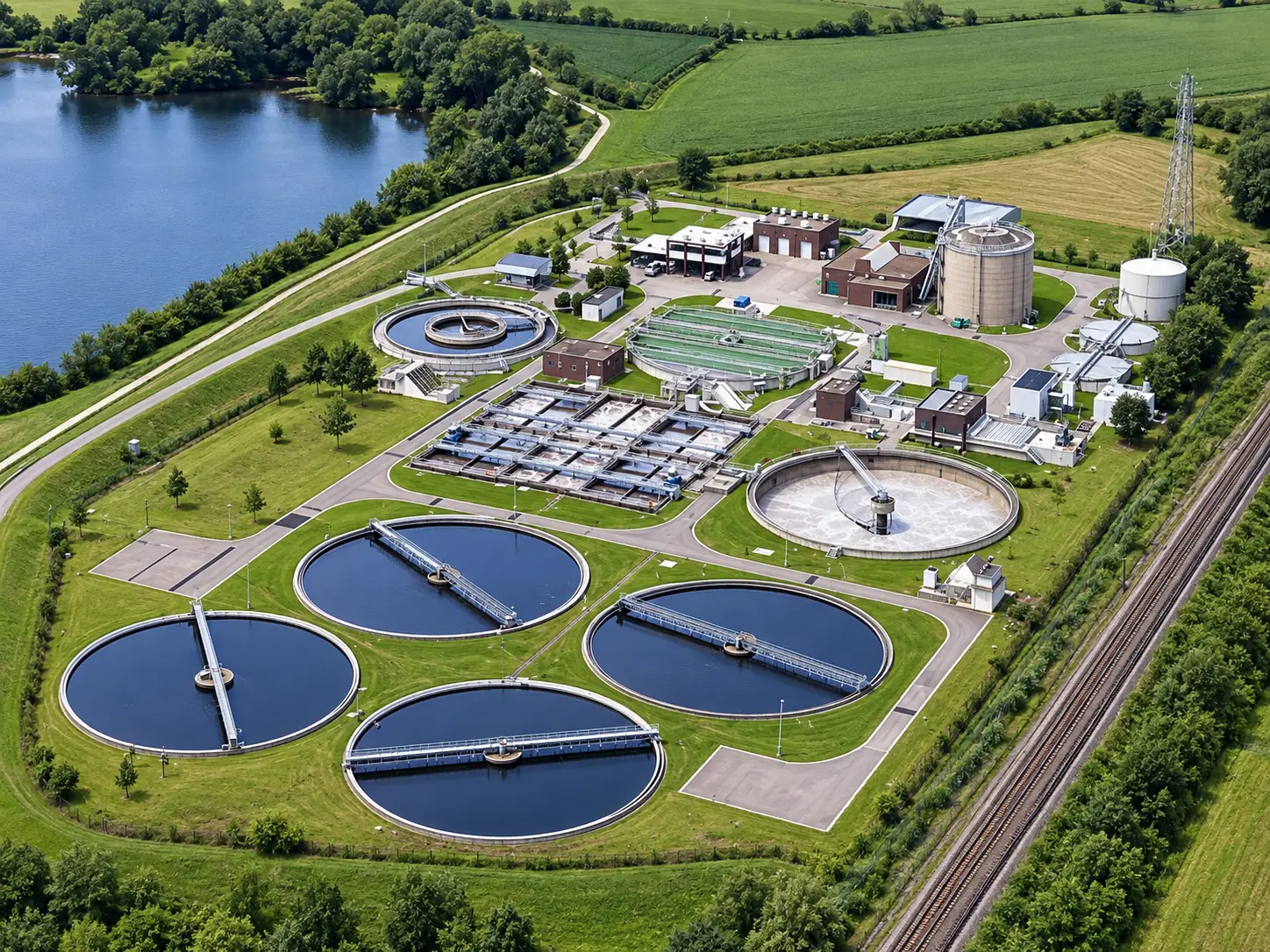
Use representative influent, full matrix, COD/TOC or target analytes, current/area, time/flow, energy, byproducts and analytical methods.
Separate screening, optimization, scale-up and commercial guarantees; define sample variability and reactor boundary.
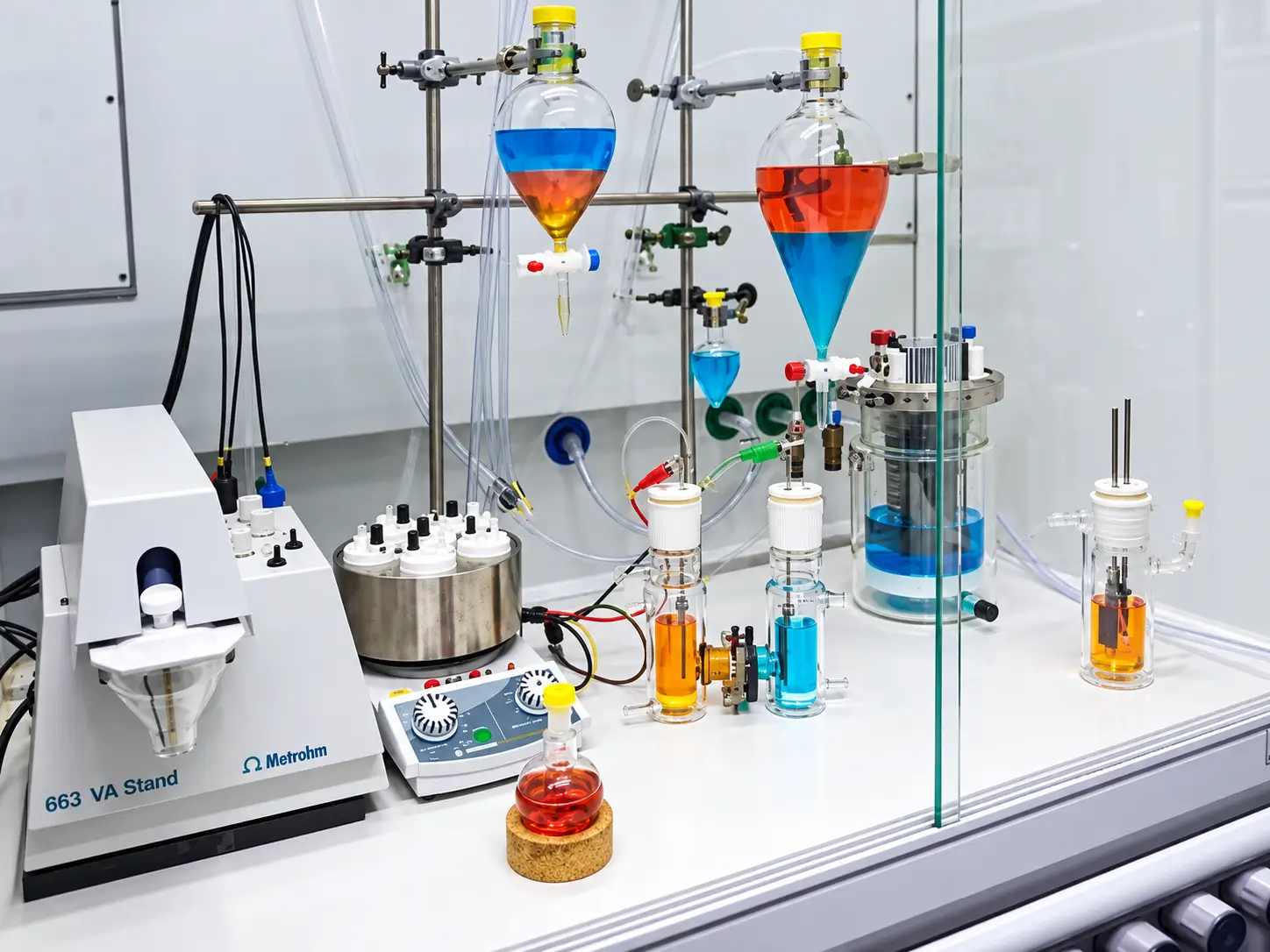
Define analyte, electrolyte, potential window, surface termination, reference electrode, conditioning, calibration and fouling control.
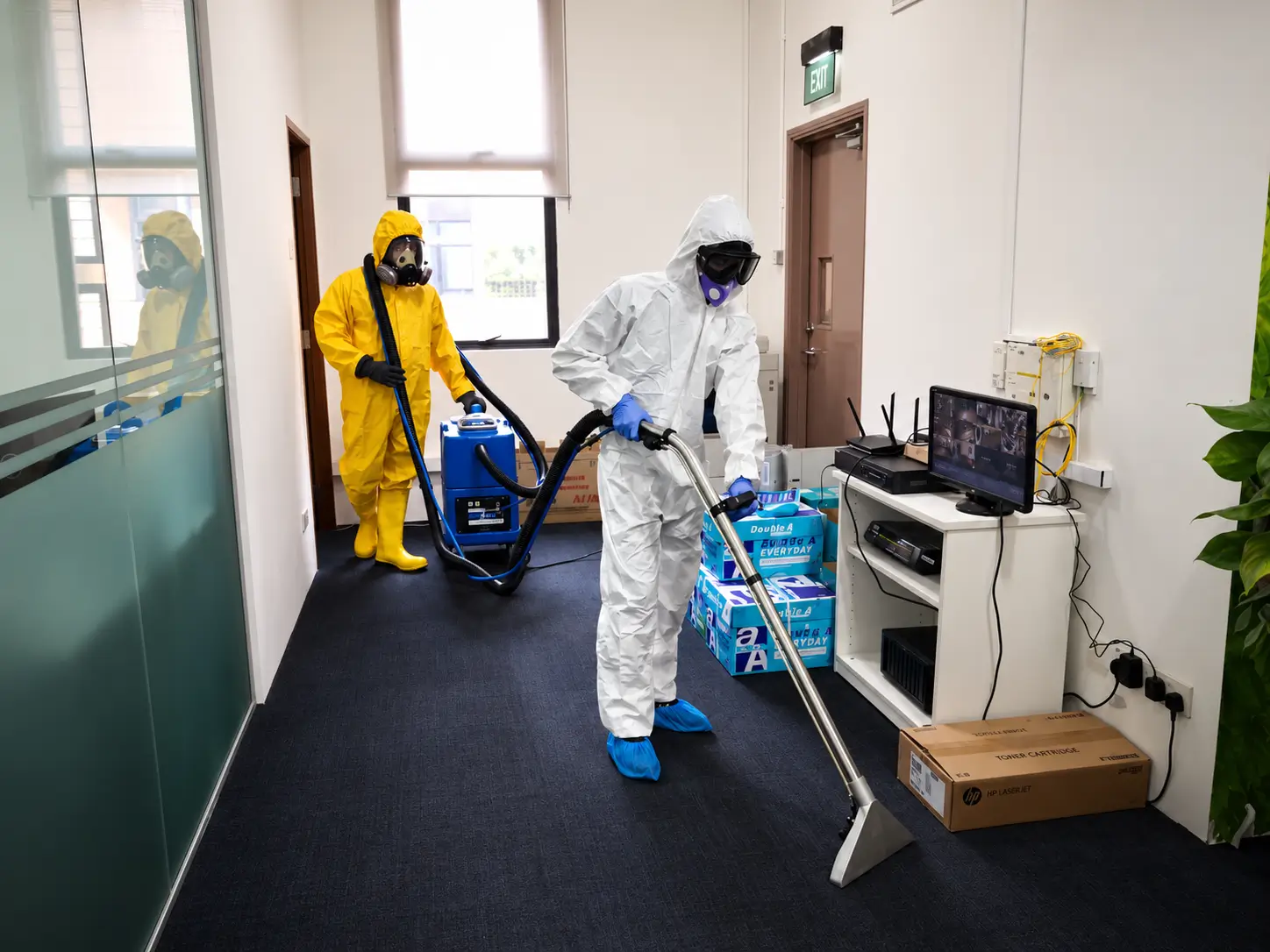
Define target product, selectivity, gas handling, current efficiency, purity, cell design, safety and analytical acceptance.
Electrode families differ in active material, substrate, potential window, reaction selectivity, impurity risk, reactor needs, evidence and cost. BDD is not automatically the lowest-energy or longest-life option; compare complete process data and acceptance methods.
Align operating conditions, included equipment, measurement basis, acceptance method, documents, responsibility, exclusions and commercial terms. A product name or headline number is not a normalized quotation.
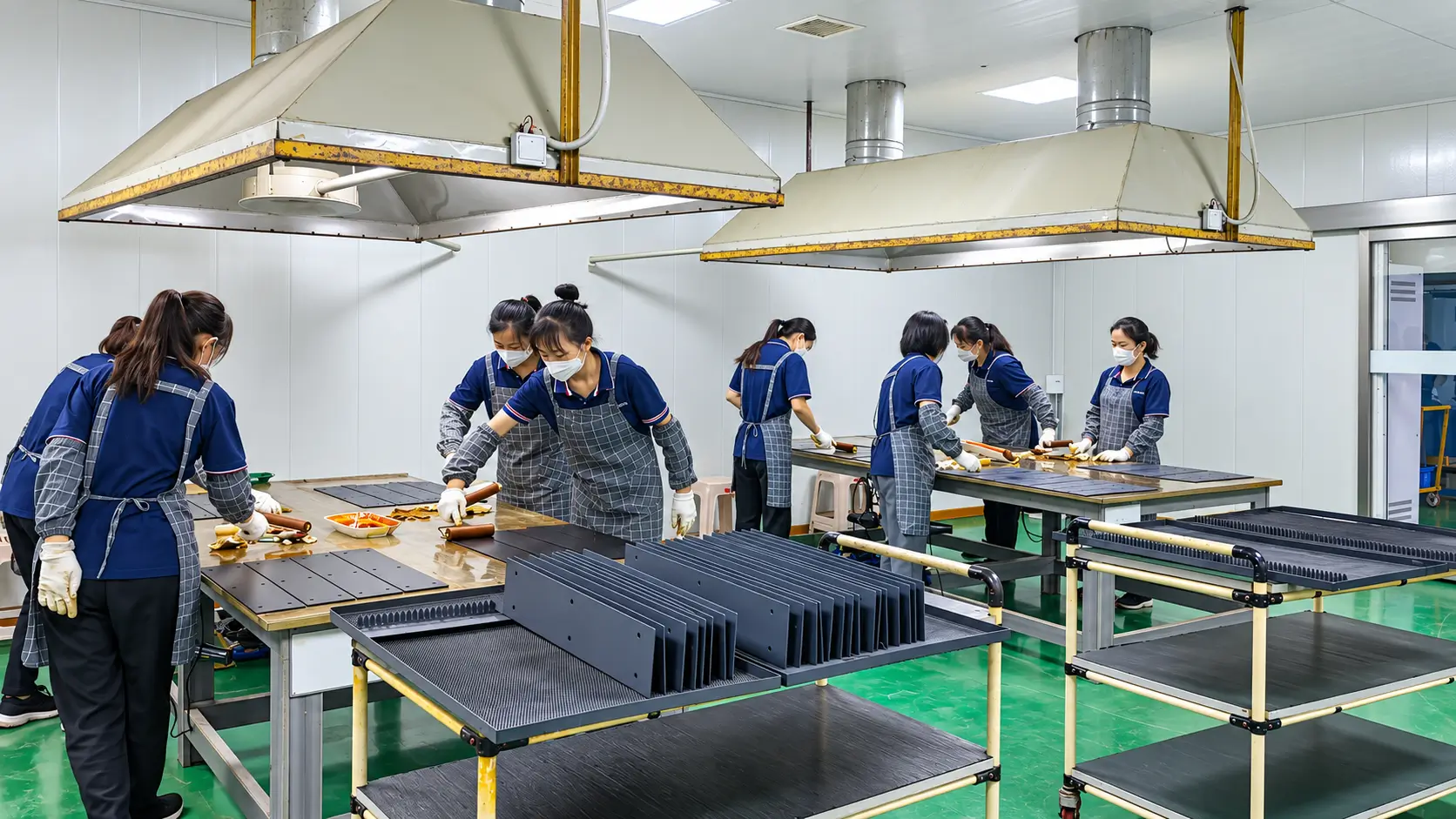
The actual manufacturing, integration and inspection route follows the ordered configuration and agreed evidence plan.
Freeze substrate, edge/surface condition, interface architecture, active-zone map and approved source.
Control the order-defined deposition/qualification route and changes affecting film structure or adhesion.
Control contact, conductor, seal, support, inactive zones and reactor-fit dimensions.
Match Raman, SEM/cross-section, doping/electrical and electrochemical evidence to explicit acceptance criteria.
Approved substrate and film source
Film, boron and diamond-quality metrics
Active area and current-density denominator
Matrix, reactor and analytical basis
Contacts, seals and module interfaces
Testing, life method and exceptions
The Knowledge Center guide expands selection, evidence, installation, operation, failure review and quotation normalization.
Open the Complete Purchase GuideNo. BDD films may use different substrates and architectures. The actual substrate, interface, film and evidence must be stated for the ordered electrode.
No. Raman can support diamond/non-diamond-carbon and related structural assessment under a stated method. Film thickness, coverage, adhesion, boron/electrical properties and electrochemical behavior need separate evidence.
No. Performance depends on the matrix, mass transfer, current and area basis, reactor, time or flow, temperature, competing reactions, byproducts and analytics.
No. Scale-up requires hydrodynamics, electrode spacing, area/volume, current distribution, energy, fouling, heat, gas and matrix variability to be reviewed.
Substrate, film area and thickness basis, doping/quality requirements, geometry, contacts/seals, qualification, destructive tests, quantity and documentation can all affect cost.
Normalize substrate, film/doping basis, active area, geometry, connection, process duty, tests, life/end point, module scope, quantity, documents and exceptions.
A drawing, process note, water analysis, existing-system record or specification is enough to begin. Unknown items can remain open rather than being replaced by generic performance claims.