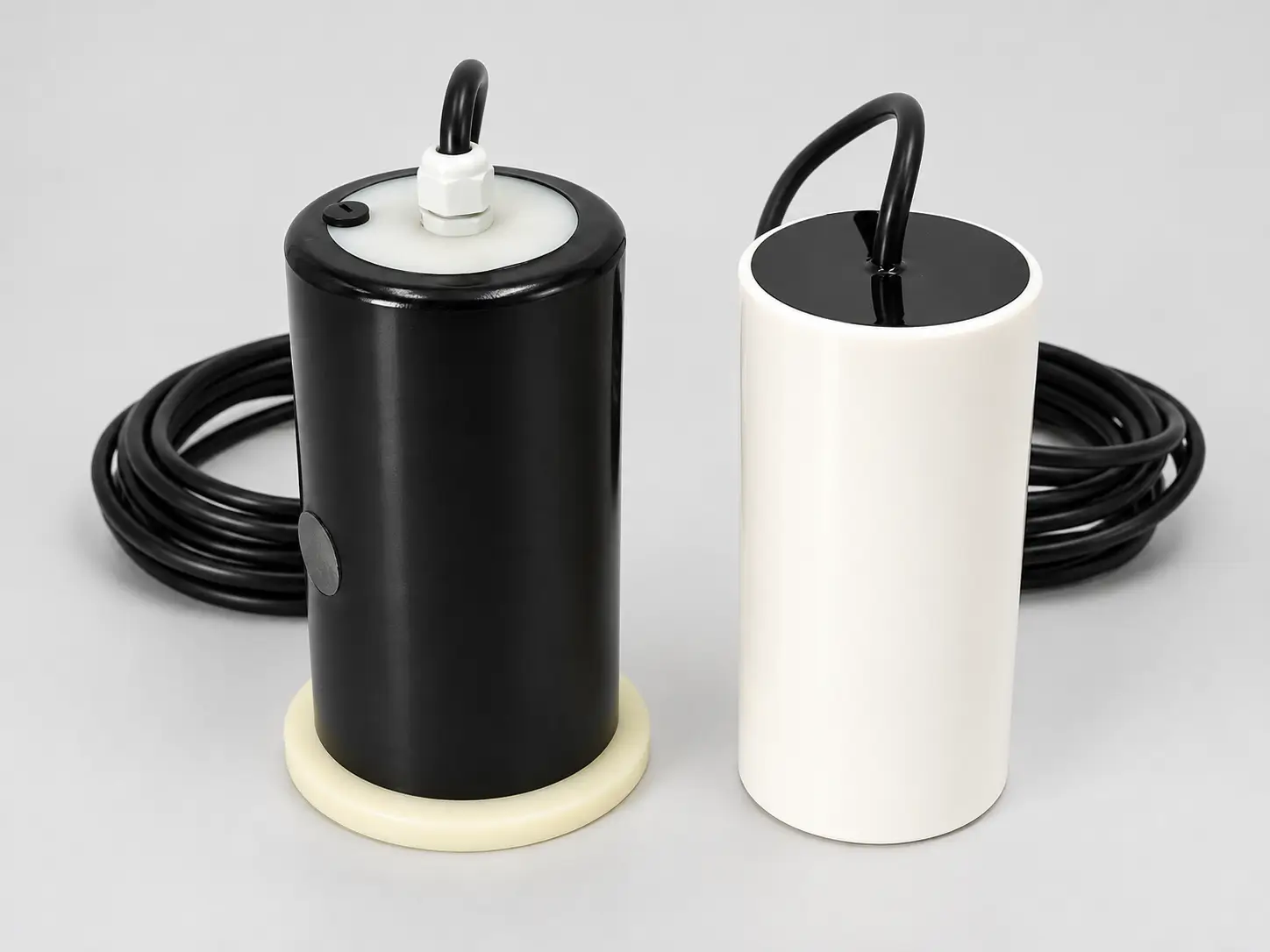
Custom Cu/CuSO₄ permanent reference electrodes for buried pipeline cathodic protection monitoring, underground tanks, tank bottom CP systems, buried steel structures, utility pipelines, test stations, and long-term soil potential measurement.
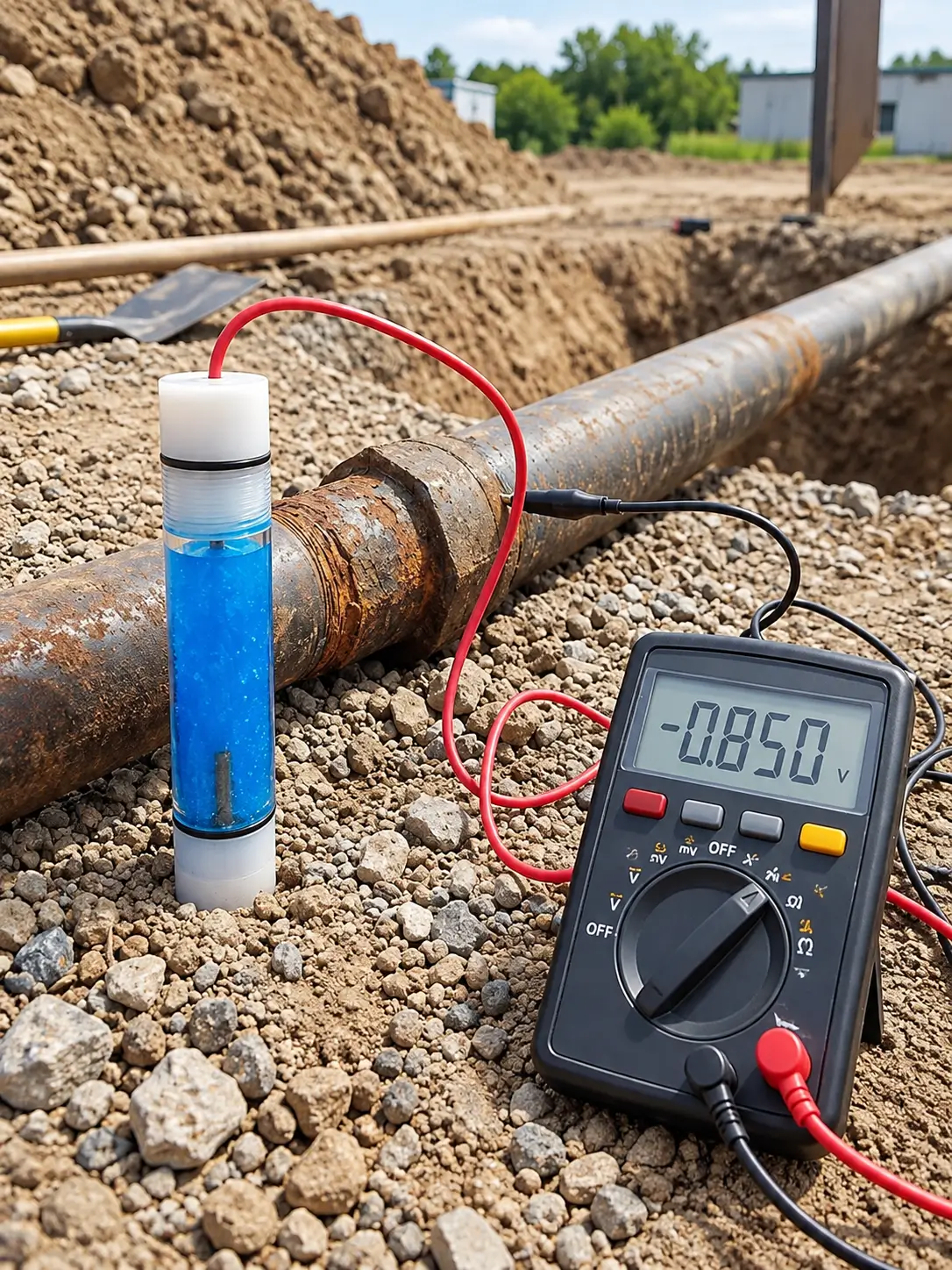
Cu/CuSO₄ permanent reference electrodes are commonly used for potential monitoring in soil and buried structure cathodic protection systems. They provide a reference point for measuring the potential of buried pipelines, underground tanks, tank bottoms, and other buried steel structures.
In soil CP projects, reference electrode selection should be reviewed according to soil resistivity, soil moisture, installation depth, cable route, test station location, backfill or surrounding material, monitoring system, and project documentation requirements.
Cu/CuSO₄ reference electrodes can be reviewed for buried pipelines, tank bottoms, underground tanks, and utility infrastructure.
Reference electrodes can be configured for long-term buried installation, test station connection, and monitoring point layouts.
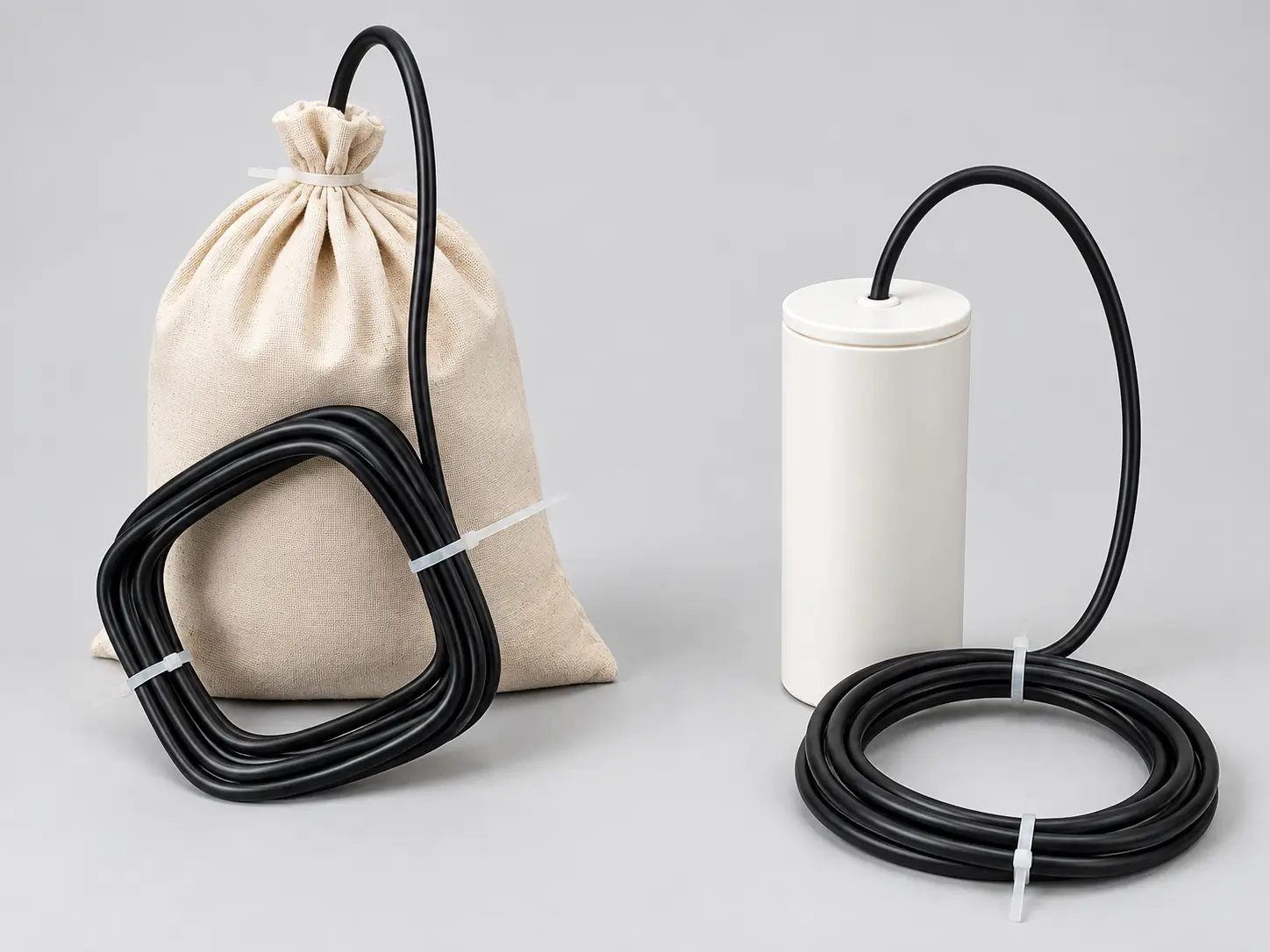
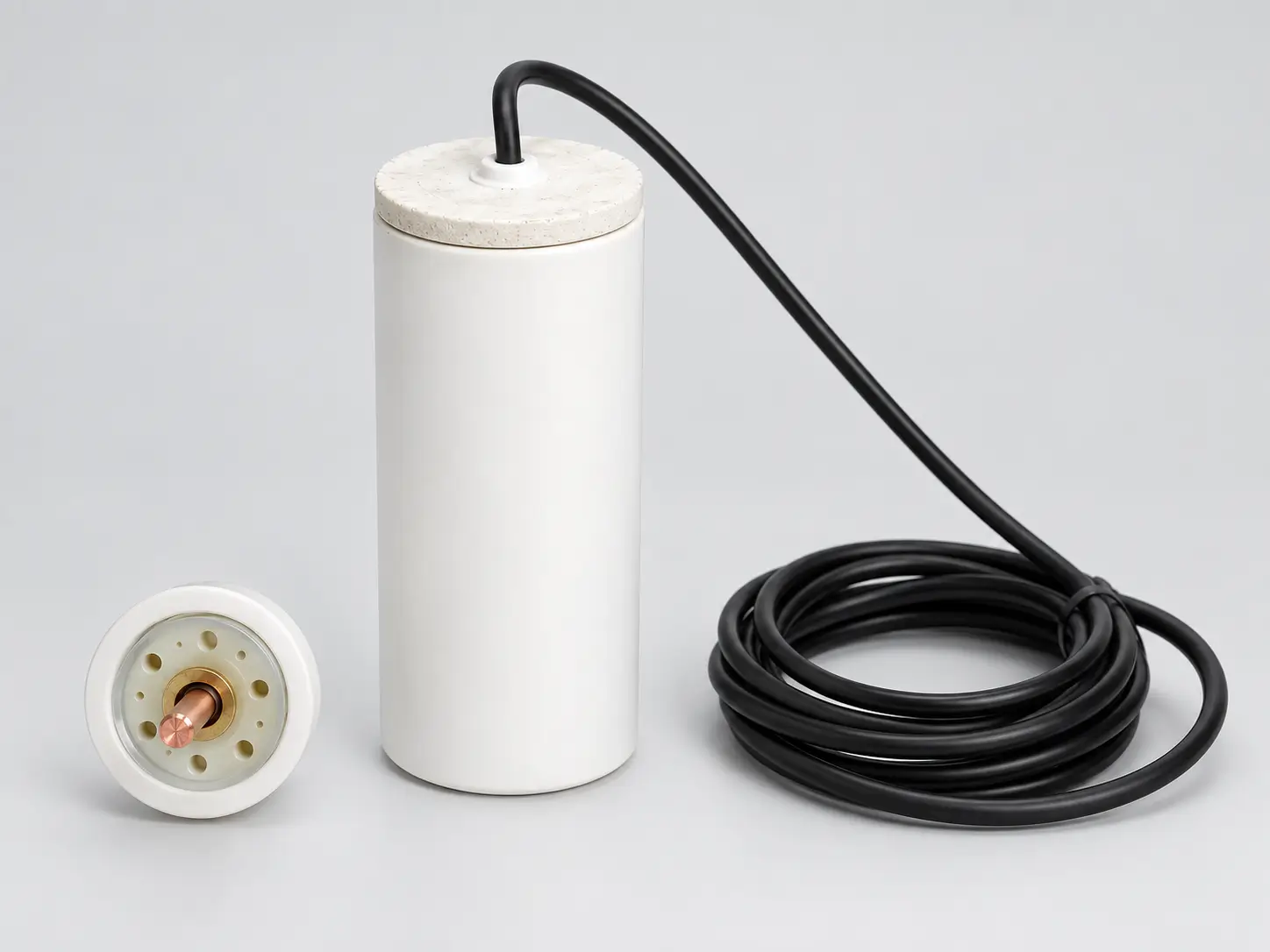
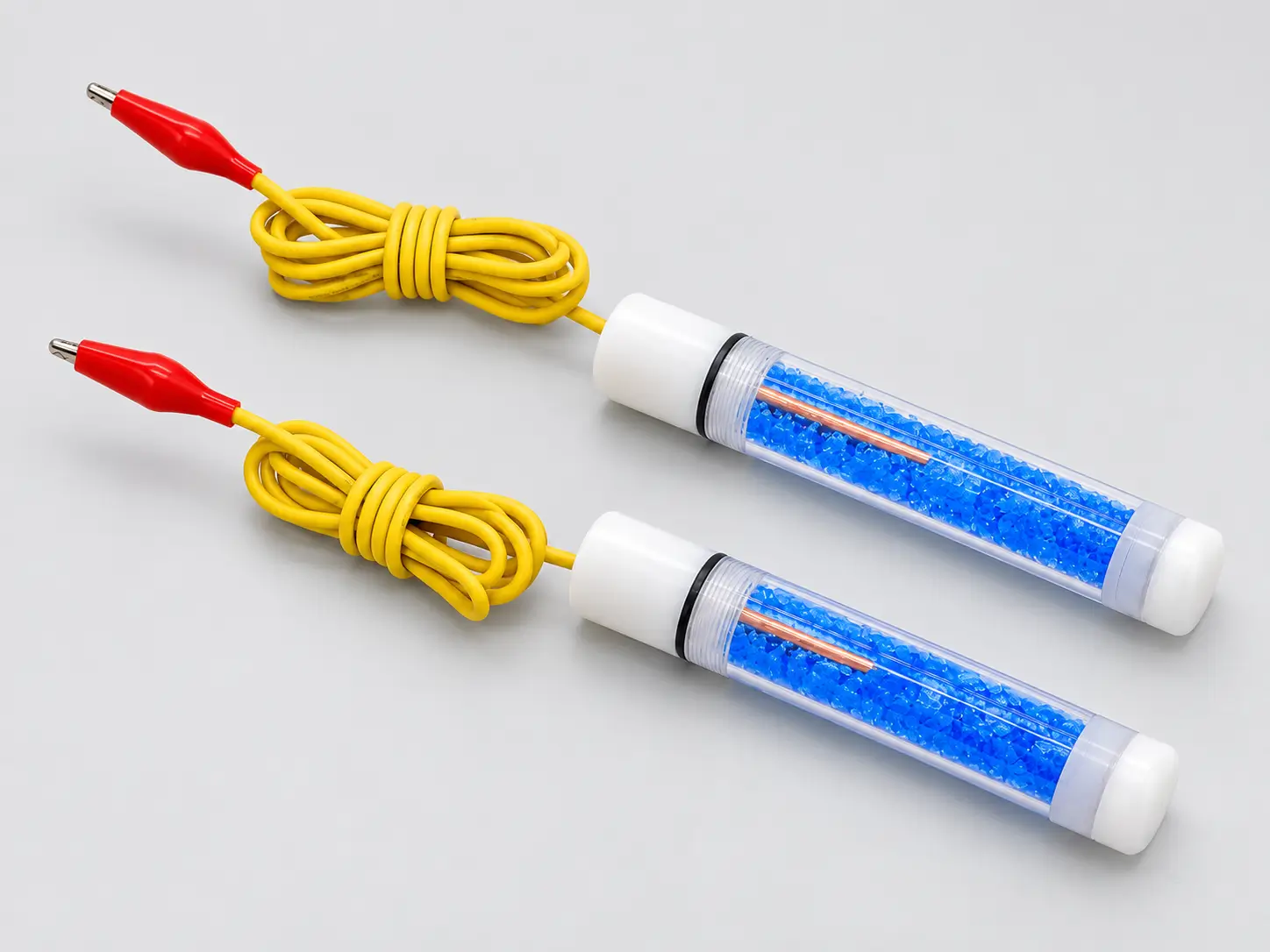
Cable length, insulation, connector, housing structure, porous interface, and identification labels can be customized when required.
Product specifications, inspection notes, labels, packing list, and project documents can be prepared according to agreed scope.
Hele Titanium supports custom Cu/CuSO₄ permanent reference electrodes for buried and soil-based monitoring applications, including cable-connected designs, protective housings, porous plugs, installation accessories, labels, packing, and project-specific documentation according to customer requirements.
Request Cu/CuSO₄ Reference Electrode ReviewA Cu/CuSO₄ permanent reference electrode, also called a copper / copper sulfate reference electrode, is used as a reference point for electrochemical potential measurement in soil and buried structure cathodic protection systems. It helps engineers monitor the potential of buried steel structures relative to a known reference electrode.
Cu/CuSO₄ reference electrodes are commonly reviewed for buried pipeline CP systems, underground tanks, tank bottom CP monitoring, utility infrastructure, test stations, and long-term soil monitoring points.
Cu/CuSO₄ reference electrode selection should be reviewed according to soil condition, soil resistivity, moisture level, installation depth, cable length, test station layout, monitoring equipment, housing material, and documentation requirements.
| Feature | What It Means | Why It Matters |
|---|---|---|
| Copper / Copper Sulfate Chemistry | The electrode uses a Cu/CuSO₄ reference system. | This chemistry is commonly reviewed for soil and buried structure CP monitoring. |
| Reference Measurement Function | The electrode provides a reference point for potential readings. | It supports CP system commissioning, monitoring, and performance evaluation. |
| Permanent Buried Installation | The electrode can be installed in soil near the protected structure or monitoring point. | Installation depth, soil contact, and cable route affect monitoring usefulness. |
| Cable-Connected Design | The electrode connects to a test station, monitoring panel, data logger, or measurement system. | Cable length, insulation, sealing, and labeling affect long-term installation reliability. |
Different Cu/CuSO₄ reference electrode configurations are used depending on soil condition, installation depth, cable route, test station design, housing structure, and monitoring requirements. Hele Titanium can support standard and custom reference electrode options for buried CP monitoring projects.
Cable-connected Cu/CuSO₄ reference electrode for long-term buried installation in soil CP monitoring systems.
Permanent reference electrode configuration for buried pipeline potential monitoring and CP test station connection.
Reference electrode option for tank bottom CP monitoring and underground tank potential measurement.
Cu/CuSO₄ reference electrode configured for connection to CP test stations, junction boxes, or monitoring panels.
Project-specific reference electrode with customized housing, porous interface, cable length, connector, and installation structure.
Customized Cu/CuSO₄ reference electrode assemblies for CP system suppliers, monitoring equipment brands, and corrosion control contractors.
Cu/CuSO₄ permanent reference electrodes are commonly reviewed for soil and buried structure monitoring environments where long-term potential measurement is needed. The final configuration should be selected according to structure type, soil condition, installation depth, cable route, and monitoring requirements.
| Application | Why Cu/CuSO₄ May Fit | Key Review Factors |
|---|---|---|
| Buried Pipeline CP Monitoring | Cu/CuSO₄ electrodes are commonly reviewed for measuring pipeline-to-soil potential in buried pipeline CP systems. | Pipeline route, soil resistivity, coating condition, test station location, cable route, and monitoring schedule. |
| Underground Tank Monitoring | Underground tanks may require permanent reference electrodes for CP monitoring and potential measurement. | Tank size, soil condition, installation depth, reference location, cable route, and access. |
| Tank Bottom CP Systems | Storage tank bottom CP systems may require embedded or buried reference points for monitoring under-tank potential. | Tank diameter, foundation condition, reference electrode placement, cable routing, and CP design. |
| Buried Steel Structures | Buried steel structures may require soil reference electrodes to support CP commissioning and long-term monitoring. | Structure geometry, soil chemistry, current demand, monitoring point layout, and test station location. |
| Utility Infrastructure | Water, gas, and utility systems may require permanent reference points for buried CP monitoring. | Utility route, access points, soil resistivity, cable length, monitoring interval, and system integration. |
| ICCP & Sacrificial CP Systems | Both impressed current and sacrificial anode CP systems may require reference electrodes for potential measurement. | CP system type, monitoring purpose, test station layout, cable connection, and project standard. |
Why it fits: Cu/CuSO₄ electrodes are commonly reviewed for measuring pipeline-to-soil potential in buried pipeline CP systems.
Review Factors: Pipeline route, soil resistivity, coating condition, test station location, cable route, and monitoring schedule.
Why it fits: Underground tanks may require permanent reference electrodes for CP monitoring and potential measurement.
Review Factors: Tank size, soil condition, installation depth, reference location, cable route, and access.
Why it fits: Storage tank bottom CP systems may require embedded or buried reference points for monitoring under-tank potential.
Review Factors: Tank diameter, foundation condition, reference electrode placement, cable routing, and CP design.
Cu/CuSO₄ reference electrodes are commonly selected for soil and buried structure monitoring, but they are not the best choice for every CP environment. Selection should be reviewed according to soil condition, moisture level, monitoring duration, installation method, and system design.
Cu/CuSO₄ permanent reference electrode specifications should be confirmed according to soil application, electrode type, housing material, cable length, connector, installation method, monitoring system, and documentation requirements.
| Parameter | Typical Options / Review Items |
|---|---|
| Electrode Type | Cu/CuSO₄ reference electrode, copper / copper sulfate reference electrode, permanent buried type, or custom monitoring electrode |
| Application Environment | Soil, buried pipeline, underground tank, tank bottom, buried structure, utility infrastructure, or project-specific soil environment |
| Installation Type | Permanent buried installation, test station connection, tank bottom monitoring point, pipeline monitoring point, or custom installation |
| Housing Material | PVC, ABS, POM, ceramic body, porous plug housing, polymer housing, or project-specified housing material when required |
| Cable Length | Custom cable length according to monitoring point distance and test station / junction box layout |
| Cable Specification | Insulation material, core type, shielding requirement, diameter, and project-specific cable requirement |
| Connector / Termination | Bare wire, terminal, plug connector, junction box connection, test station connection, or custom interface |
| Installation Method | Buried in soil, installed near pipeline, installed near tank bottom, trench-installed, test station-connected, or project-specific installation |
| Operating Condition | Soil resistivity, soil moisture, temperature, backfill condition, installation depth, and environmental stability to be reviewed |
| Monitoring Interface | Voltmeter, data logger, test station, CP monitoring panel, rectifier monitoring system, or customer-specified system |
| Packing | Individual packing, protective packing, labeled packing, export carton, or project-specific packing |
| Documentation | Product specification, inspection notes, cable record, packing list, labels, and project documents when required |
Note: Final specifications should be confirmed according to project drawings, soil condition, monitoring layout, cable route, installation method, and customer standard.
Cu/CuSO₄ reference electrode design should be reviewed according to buried structure type, monitoring purpose, installation depth, soil condition, cable length, housing design, test station interface, and documentation requirements.
Review buried pipeline, underground tank, tank bottom, utility infrastructure, buried steel, or test station monitoring application.
Review housing design, porous plug or soil contact interface, dimensions, installation depth, and protection requirements.
Customize cable length, insulation, connector, termination, sealing, label, and test station interface.
Review soil resistivity, moisture condition, temperature, backfill condition, and installation environment.
Review whether the electrode connects to test stations, data loggers, CP monitoring panels, rectifiers, or remote monitoring systems.
Support labels, packing list, product specifications, inspection notes, export packing, and project files when required.
Different reference electrodes are used for different monitoring environments. Cu/CuSO₄ reference electrodes are commonly reviewed for soil and buried structure CP monitoring, while other reference electrodes may be more suitable for seawater, rugged marine monitoring, or reinforced concrete applications.
| Reference Electrode Type | Common Application Environment | Related Page |
|---|---|---|
| Cu/CuSO₄ Permanent Reference Electrode | Soil, buried pipelines, underground tanks, tank bottoms, buried steel structures, and utility infrastructure CP monitoring. | Current Page |
| Ag/AgCl Reference Electrode | Seawater, marine CP, offshore structures, ship hulls, seawater intake systems, and chloride-containing electrolytes. | View Ag/AgCl → |
| Zinc Reference Electrode | Selected seawater, rugged marine monitoring, offshore structures, ship hulls, and submerged CP monitoring where zinc reference is specified. | View Zinc → |
| MnO₂ Reference Electrode | Reinforced concrete CP monitoring, bridge decks, marine concrete, parking structures, and embedded concrete applications. | View MnO₂ → |
Proper installation helps Cu/CuSO₄ reference electrodes support useful soil potential monitoring. Installation position, soil contact, moisture condition, cable routing, test station access, and monitoring interface should be reviewed before installation.
Electrode location affects potential readings and should match the CP monitoring plan.
Good contact with surrounding soil or approved backfill supports useful measurement.
Soil moisture condition can affect the reference electrode environment and monitoring behavior.
Depth should match CP design, structure location, and site conditions.
Cable route should be protected from mechanical damage during trenching, backfilling, and long-term operation.
Termination should match the test station, data logger, monitoring panel, or measurement point.
Access to cable ends, test stations, or junction boxes supports future monitoring and troubleshooting.
Cable labels, electrode location records, and drawings support traceability and future review.
Cu/CuSO₄ reference electrode quality depends on electrode assembly, copper / copper sulfate system, housing condition, porous interface, cable connection, sealing, dimensional accuracy, label identification, packing protection, and final documentation.
Cu/CuSO₄ electrode element, internal structure, electrolyte system, and assembly requirements are reviewed according to order specification.
Housing material, size, porous interface, probe length, and overall dimensions are checked according to agreed scope.
Cable length, insulation, connector type, termination, sealing, and labeling are reviewed when required.
Surface condition, housing condition, cable appearance, marking, and handling condition are reviewed according to inspection scope.
Reference electrodes are packed according to product sensitivity, cable protection, destination, and shipment requirement.
Product specifications, inspection notes, packing list, labels, cable records, and project-specific documents can be prepared when required.
Cu/CuSO₄ reference electrodes are commonly reviewed for soil and buried structure CP monitoring. Depending on the application environment, other reference electrode types may also be more suitable.
Reference electrode for seawater, marine CP, offshore structures, ship hulls, and chloride-containing electrochemical systems.
View ProductReference electrode for selected seawater and rugged marine CP monitoring applications where zinc reference electrodes are specified.
View ProductReference electrode for reinforced concrete CP monitoring, bridge decks, marine concrete structures, and embedded monitoring points.
View ProductCompare reference electrode types by environment, application, installation method, cable design, and monitoring requirements.
View CategoryExplore MMO anode solutions for buried pipeline and underground steel CP systems where Cu/CuSO₄ electrodes may be used for monitoring.
View AnodesIf you are selecting reference electrodes for a complete CP system, explore the related application pages below to compare anode systems, monitoring environments, and project data requirements.
For buried pipelines, underground tanks, tank farms, utility infrastructure, and soil-based ICCP systems.
View Page →For storage tank bottom and under-tank CP systems where permanent monitoring points may be required.
View Page →Compare deep groundbed, tank bottom, concrete, marine, pipeline, and localized ICCP layouts.
View Page →For soil and freshwater sacrificial CP systems where Cu/CuSO₄ reference electrodes may be used for monitoring.
View Page →Tell us your buried structure type, soil condition, soil resistivity if available, installation depth, monitoring point location, cable length, termination type, test station or monitoring system, quantity, and documentation needs. Hele Titanium will help review suitable Cu/CuSO₄ permanent reference electrode configurations for your soil CP monitoring project.
Standard and custom designs for soil and buried structure CP systems.
For pipelines, underground tanks, tank bottoms, and utility infrastructure.
Tailored to your specific site layout and monitoring equipment.
Reliable supply and project documentation for international procurement.
Email: sales@heletitanium.com
Address: Room 1206, Building 1, Huaxia Yue World
Share your drawings, application, material grade, coating requirement, quantity, and delivery target. Our team will review your request within 1 business day.
Email Us
sales@heletitanium.comWhatsApp / Call Us
+86 13857402537Factory & Engineering Center
Titanium Valley, Baoji City, Shaanxi Province, China