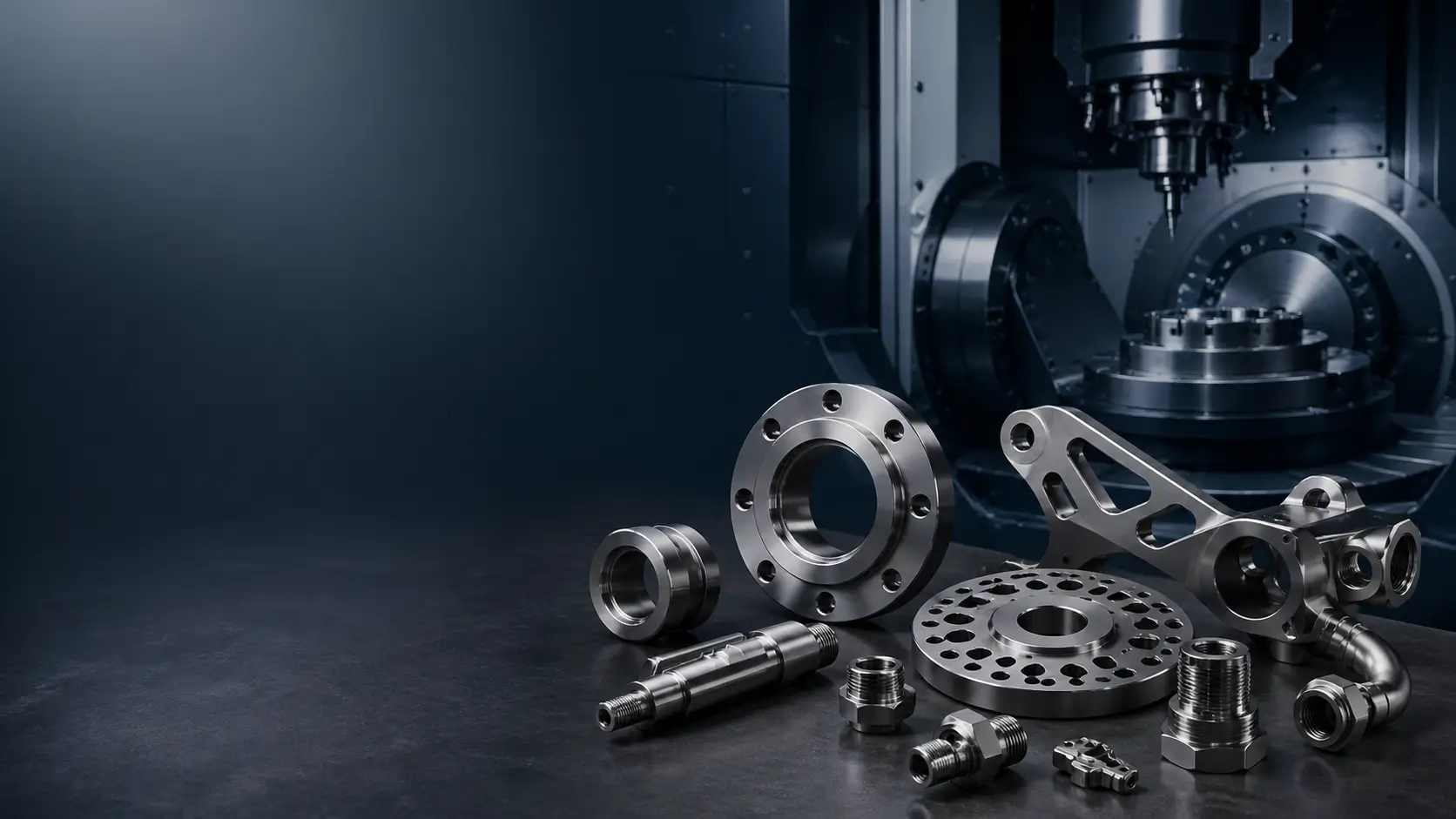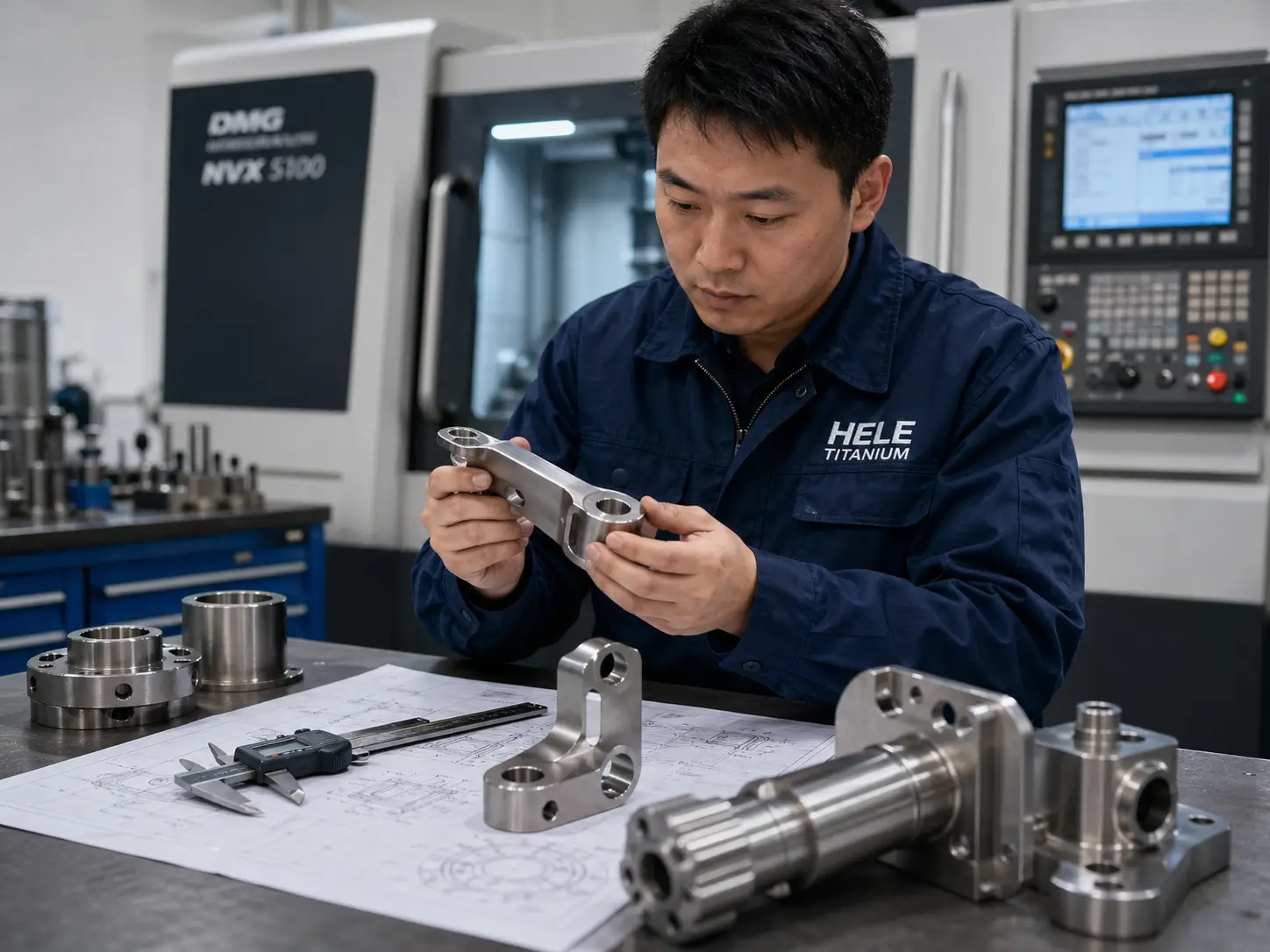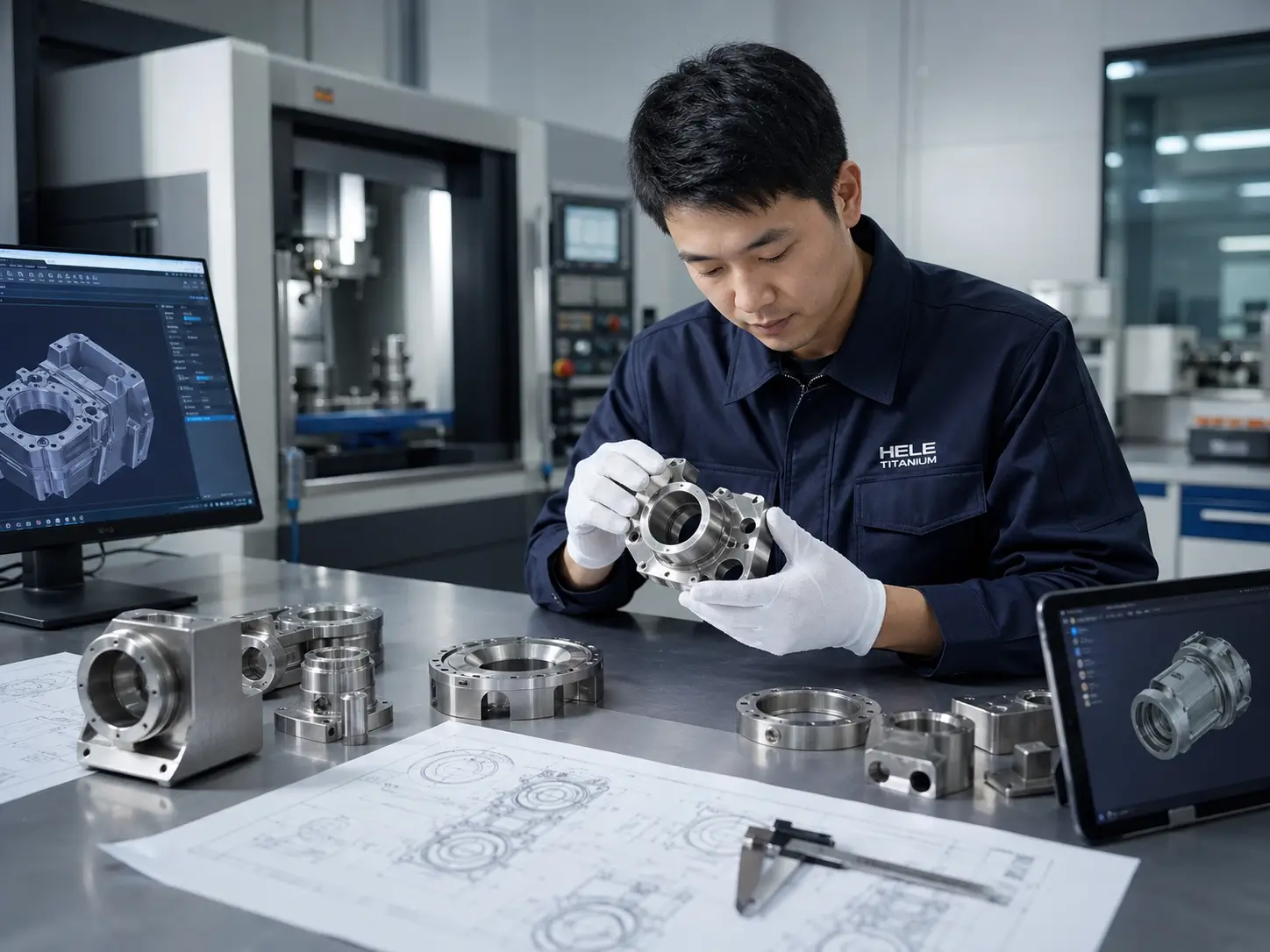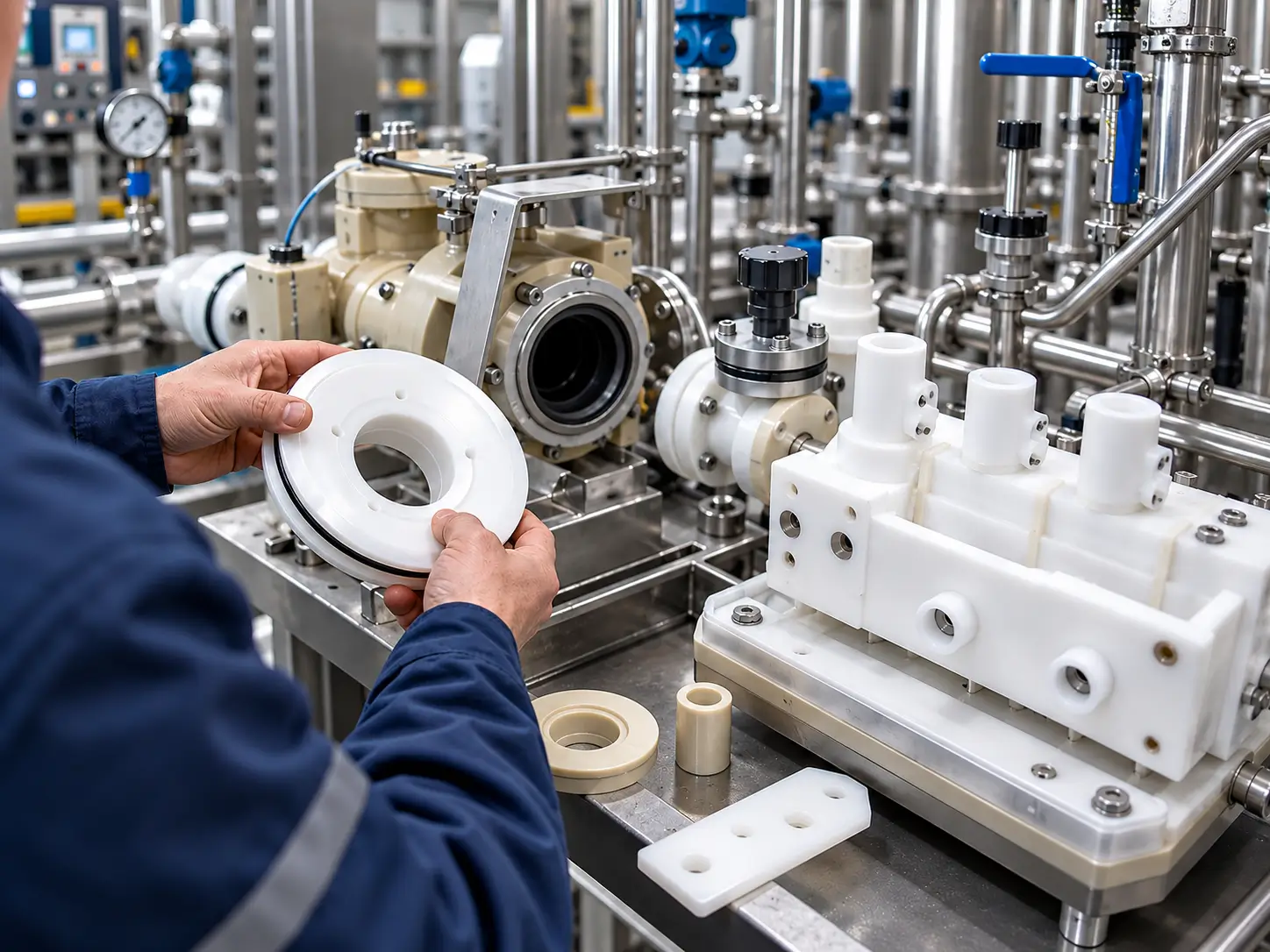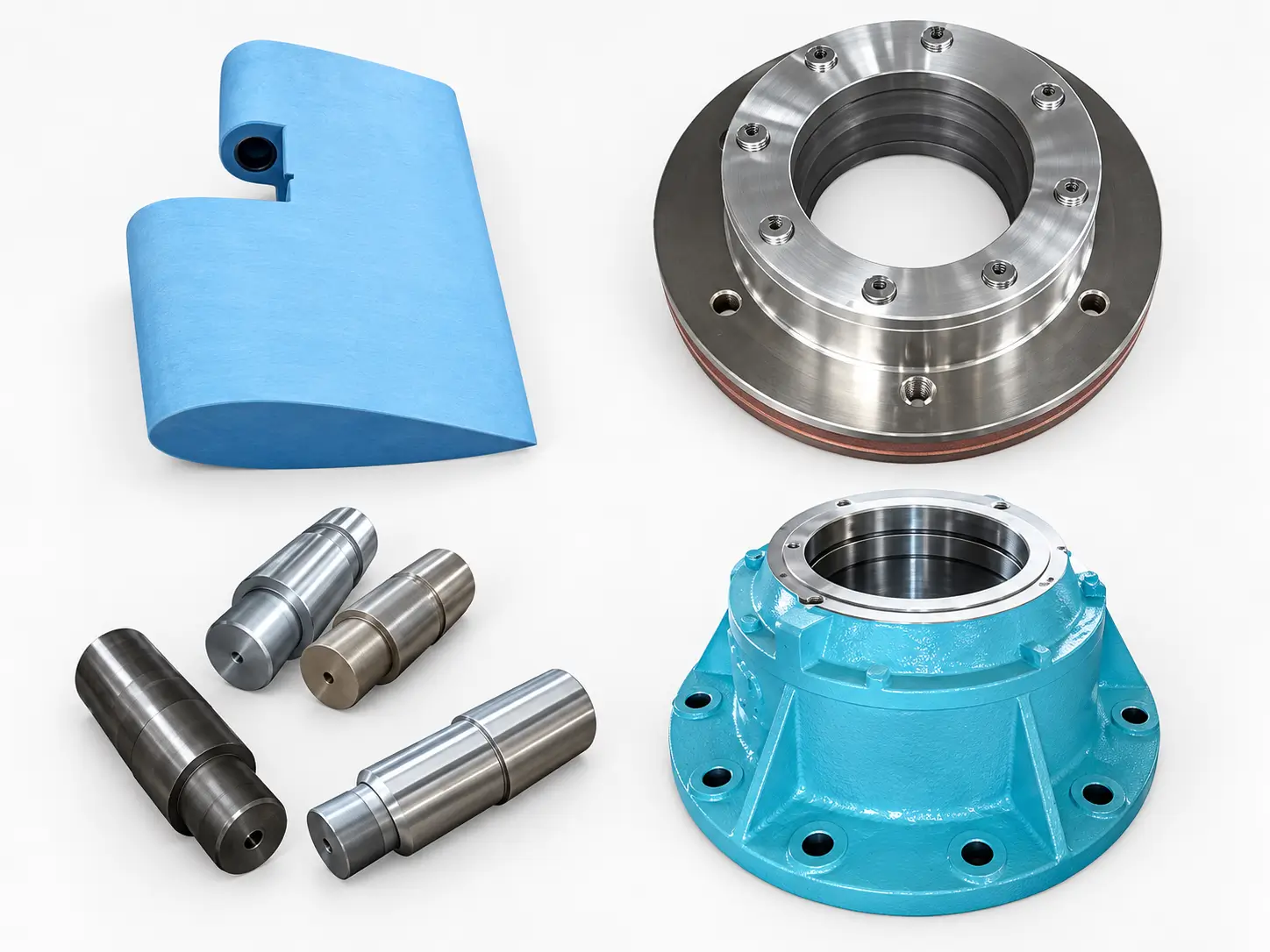
Precision CNC Titanium Parts Manufacturer
Custom CNC titanium parts, machined titanium components, milled parts, turned parts, threaded parts, valve components, and drawing-based precision titanium parts for aerospace-style, medical research, marine, chemical, energy, and OEM industrial applications.
Integrated CNC Solutions: Billet-to-Component Mastery
Eliminate Supply Chain Fragmentation | CAD-to-Part Efficiency
Eliminate the complexity of managing multiple suppliers. Hele Titanium provides a seamless transition from raw titanium sourcing to finished high-precision components. By combining our source-material manufacturing with advanced CNC machining, we manage the full lifecycle: material sourcing, design optimization, multi-axis machining, and certified inspection.
Whether you require complex aerospace housings, subsea fittings, or biocompatible implants, our engineering team delivers demanding geometries with absolute dimensional integrity and shortened lead times.
Precision CNC Titanium Parts We Manufacture
Choose from CNC milled titanium parts, turned parts, threaded components, valve parts, aerospace-style components, marine parts, chemical processing components, and custom drawing-based titanium parts according to grade, geometry, tolerance, surface finish, and application requirements.
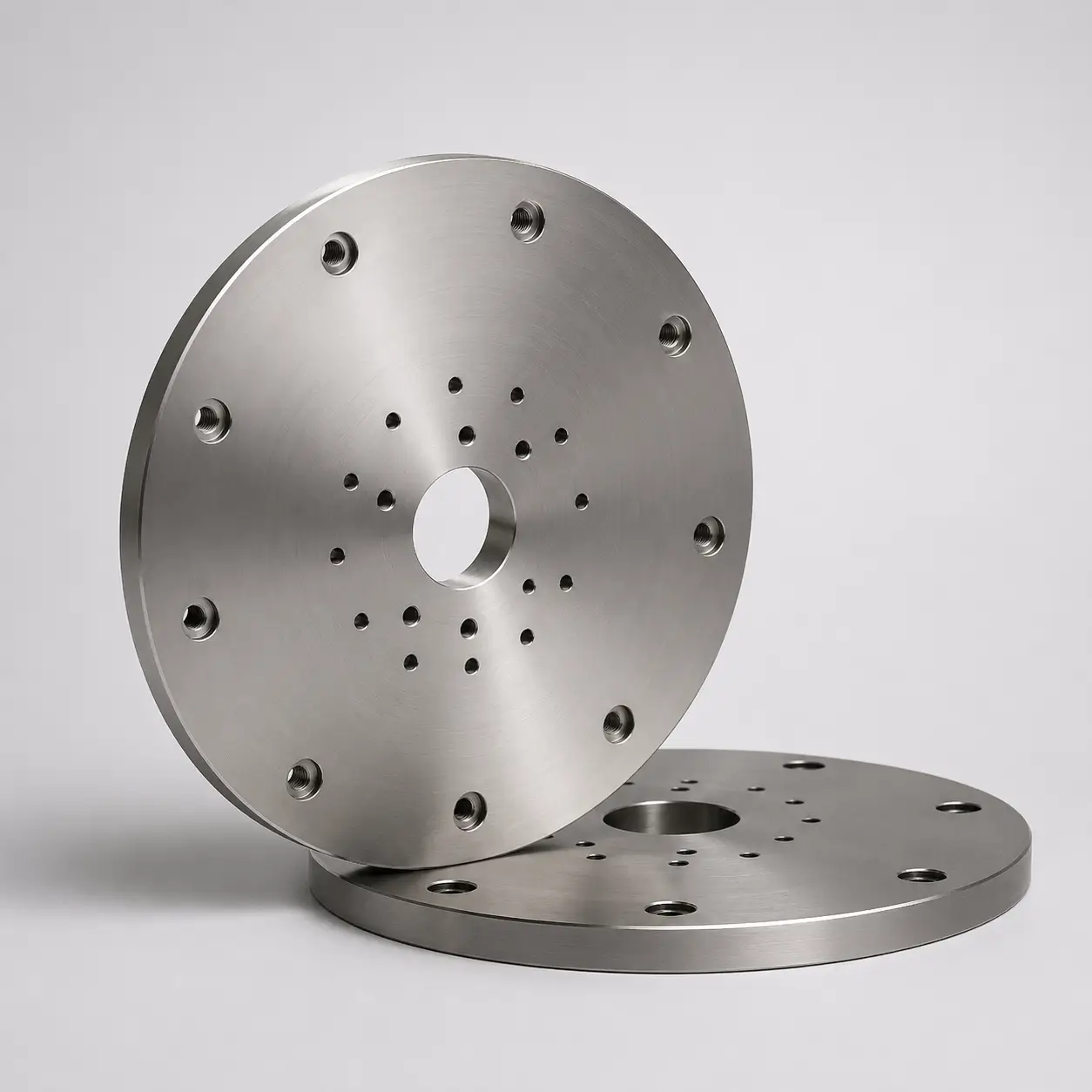
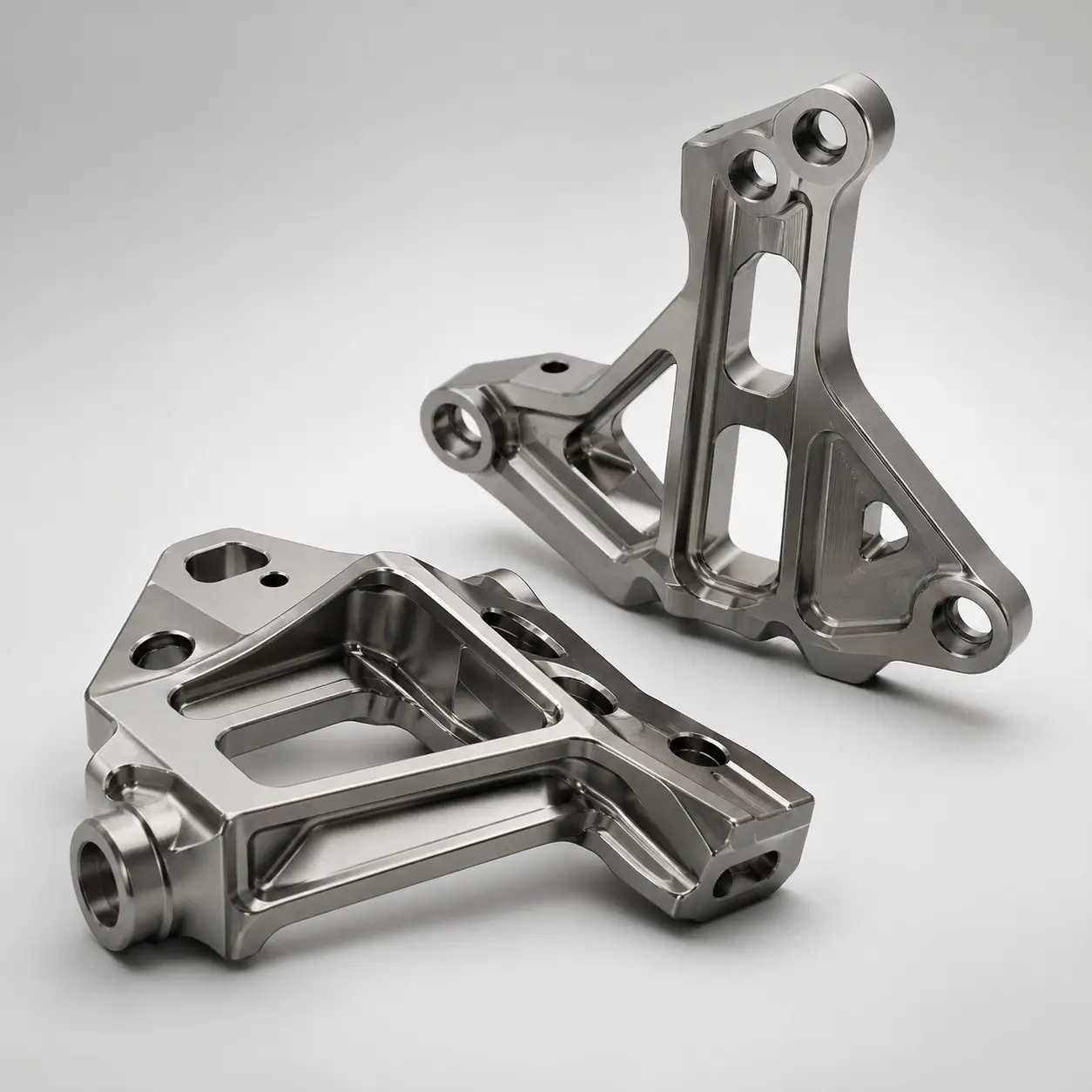
CNC Titanium Milled Parts
- Best For Complex flat parts, brackets, housings, plates, frames, fixtures, and precision machined titanium components.
- Available Options Grade 2, Grade 5, multi-axis milling, pockets, slots, holes, countersinks, and surface finishing.
- Key Review Factors Geometry, wall thickness, tolerance, material removal, surface finish, and drawing requirements.
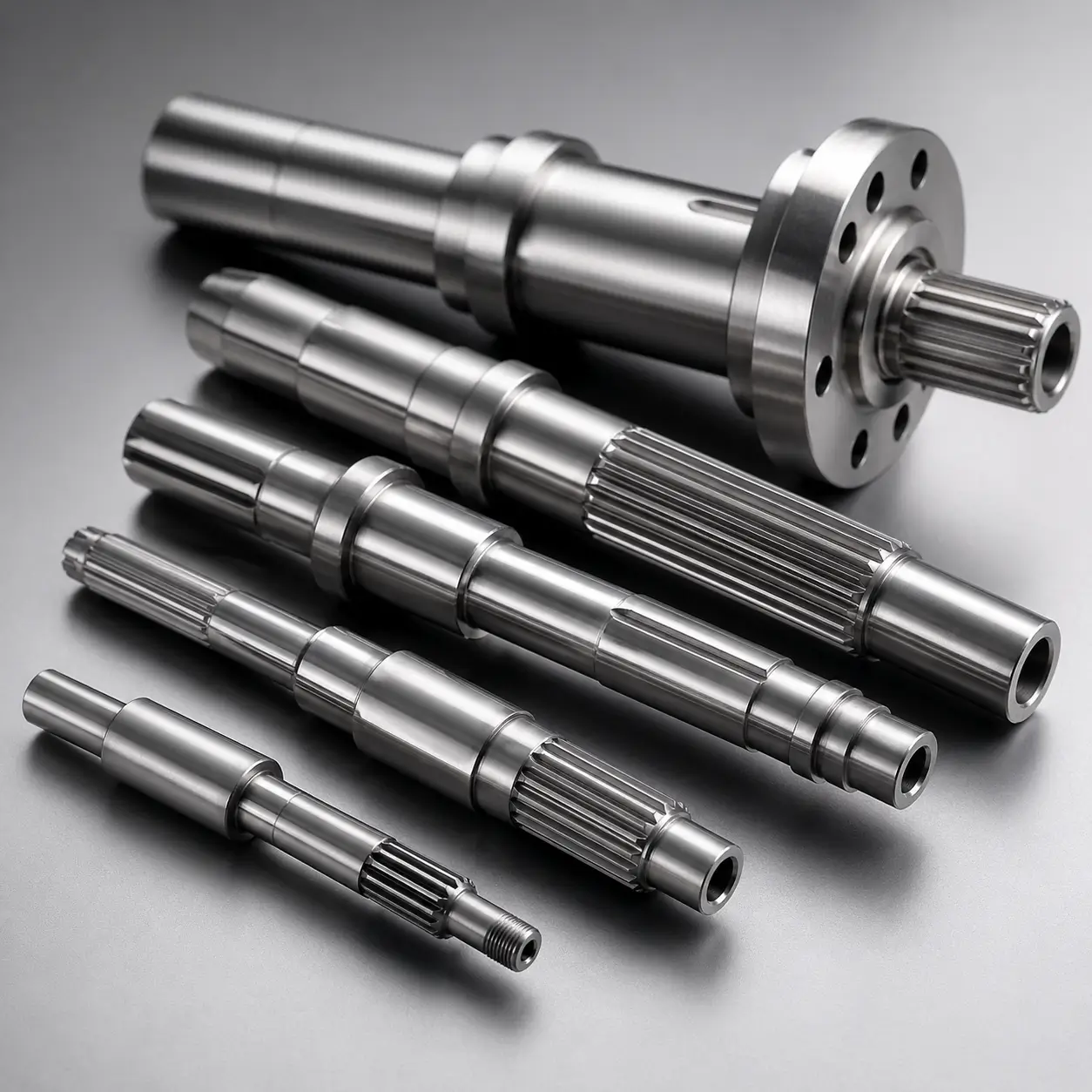
CNC Titanium Turned Parts
- Best For Shafts, pins, bushings, sleeves, spacers, rings, connectors, and round titanium components.
- Available Options Turning, threading, grooving, drilling, boring, polishing, and drawing-based production.
- Key Review Factors Diameter tolerance, concentricity, thread specification, length, surface roughness, and quantity.
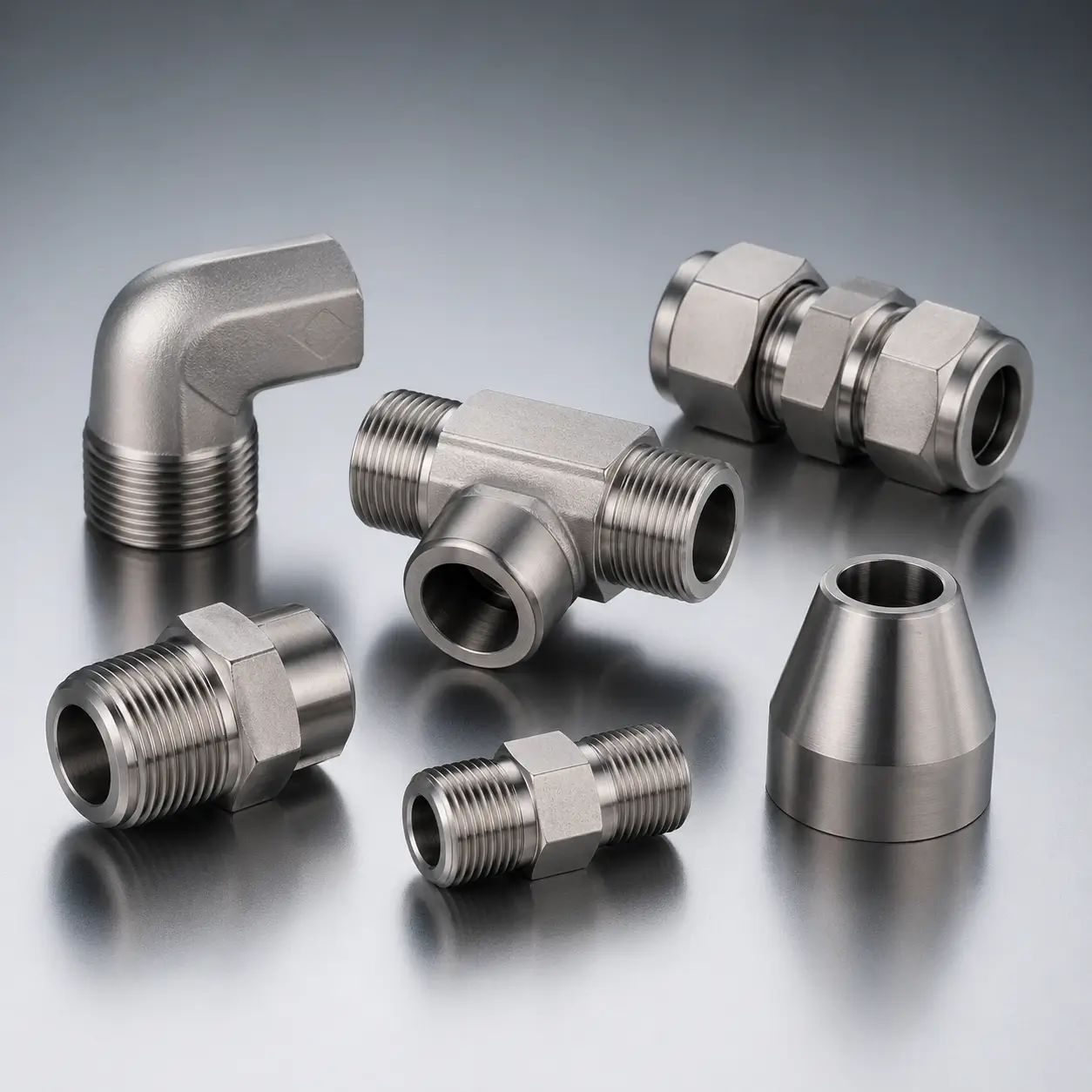
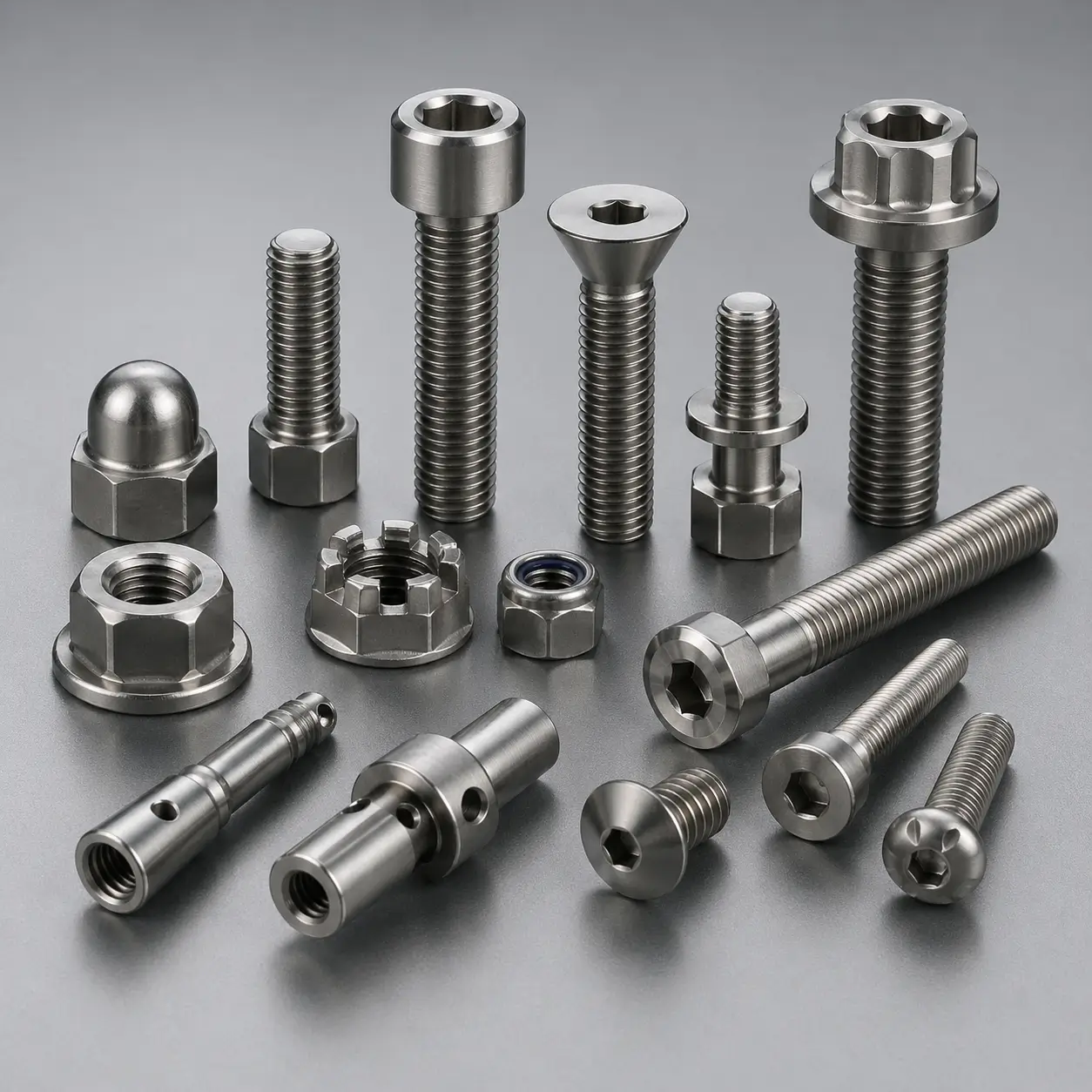
Titanium Threaded Components
- Best For Fastening systems, connection parts, threaded sleeves, adapters, fittings, and custom mechanical assemblies.
- Available Options Internal threads, external threads, metric threads, custom threads, tapping, and thread inspection.
- Key Review Factors Thread type, thread depth, tolerance, material grade, assembly load, and corrosion environment.
Titanium Valve & Flow Components
- Best For Corrosion-resistant valves, flow control systems, chemical processing, seawater systems, and fluid handling equipment.
- Available Options Valve seats, stems, balls, fittings, connectors, machined ports, and custom flow parts.
- Key Review Factors Media compatibility, sealing surface, bore size, tolerance, surface finish, and pressure environment.
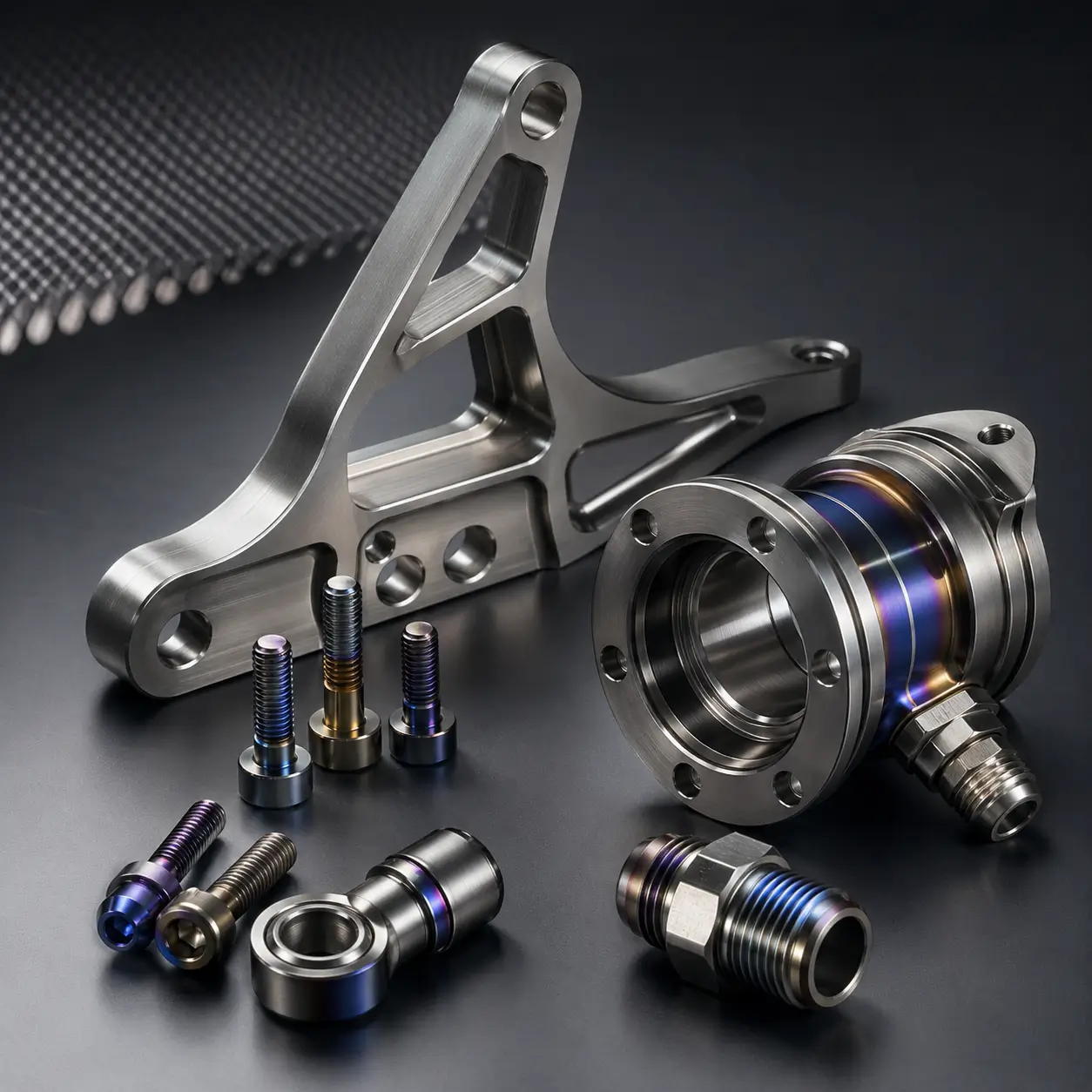
Aerospace-Style Titanium Components
- Best For Lightweight brackets, structural prototypes, precision parts, frames, housings, and high strength-to-weight applications.
- Available Options Grade 5 titanium, multi-axis CNC machining, pocketing, lightweighting, drilling, and inspection support.
- Key Review Factors Strength requirement, weight reduction, tolerance, surface finish, documentation, and drawing review.
Medical & Research Titanium Components
- Best For Research equipment, laboratory devices, prototype parts, medical device development components, and precision instruments.
- Available Options Grade 2, Grade 5, Grade 23 when required, small part machining, polishing, and traceability support.
- Key Review Factors Cleanliness, tolerance, surface finish, traceability, documentation, and project-specific requirements.
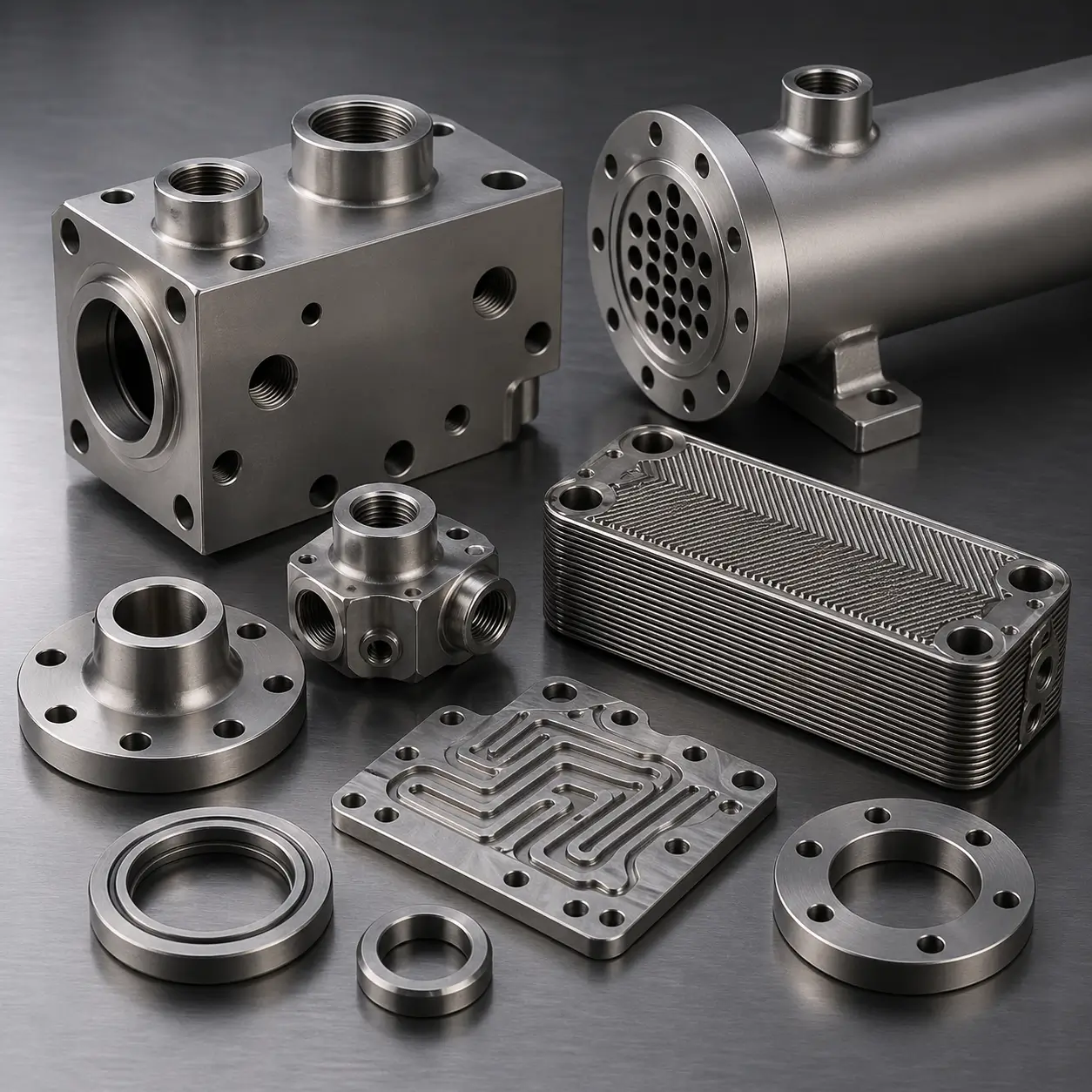
Marine & Chemical Titanium Parts
- Best For Seawater systems, chemical equipment, corrosion-resistant assemblies, pumps, heat exchangers, and process components.
- Available Options Grade 2, Grade 7, Grade 12, CNC milling, turning, drilling, threading, and custom fabrication.
- Key Review Factors Corrosion environment, temperature, chemical media, surface finish, assembly fit, and documentation.
Custom Drawing-Based Titanium Parts
- Best For OEM components, special equipment, project-specific parts, prototype development, and low-to-medium batch production.
- Available Options Material sourcing, CNC machining, finishing, inspection, assembly, packing, and export documentation.
- Key Review Factors CAD files, 2D drawings, tolerance, quantity, titanium grade, surface treatment, and delivery requirement.
Choose CNC Titanium Parts by Function & Engineering Demand
Quickly identify the most suitable CNC titanium solution based on geometry complexity, load conditions, corrosion environment, assembly function, and end-use industry.
Sealing & Piping Parts
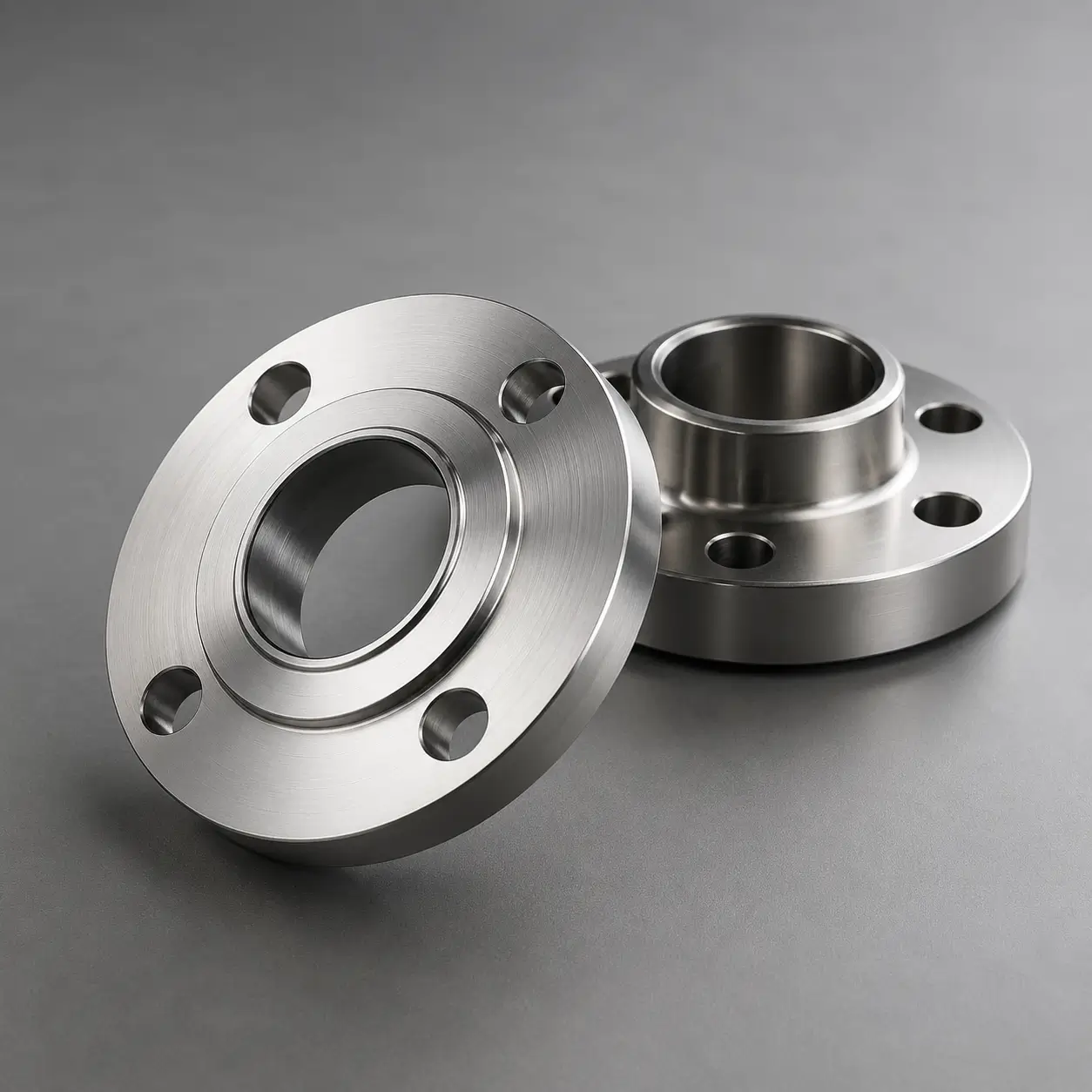
Leak-Free / Pressure SystemsBest for flanges, fittings, and machined sealing parts in chemical, marine, and thermal systems.
Structural CNC Parts
Lightweight / Load-BearingBest for brackets, mounts, and supports where low mass and mechanical strength are critical.
Rotating Components
Balanced / Precision MotionBest for shafts, discs, and rotating elements requiring concentricity and dynamic stability.
Medical & Micro Parts
Biocompatible / High PrecisionBest for implants, tools, and clean-finish titanium components with strict tolerance control.
Custom OEM Machining
CAD-to-Part / Multi-AxisBest for proprietary designs requiring 3-axis, 4-axis, or 5-axis titanium machining from drawings.
Need help selecting the right titanium grade, machining route, tolerance level, or surface finish?
Custom Titanium Parts from CAD to Finished Part
Custom CNC titanium part production should be reviewed according to titanium grade, drawing structure, tolerance, wall thickness, surface finish, machining route, inspection scope, quantity, and delivery requirements.
Drawing & CAD Review
Review 2D drawings, 3D CAD files, tolerances, GD&T, critical dimensions, and manufacturing feasibility.
Titanium Grade Selection
Review Grade 2, Grade 5, Grade 7, Grade 12, Grade 23, or project-specific material requirements.
DFM & Cost Optimization
Review unnecessary tight tolerances, deep pockets, thin walls, sharp internal corners, and excessive material removal.
CNC Milling & Turning Route
Select milling, turning, drilling, tapping, threading, boring, or multi-axis machining according to part geometry.
Surface Finish & Post-Processing
Support polishing, bead blasting, passivation, anodizing, cleaning, or project-specific surface treatment when required.
Inspection & Traceability
Dimensional inspection, surface review, thread inspection, MTC, labels, packing list, and QC records can be supported.
What We Need From You
- 2D drawing or 3D CAD file
- Titanium grade
- Quantity
- Tolerance & critical dimensions
- Surface finish requirement
- Thread / hole / assembly requirements
- Inspection documents
- Delivery destination
Ready for Production?
Send us your requirements for a comprehensive review and quote.
Precision You Can Verify: CNC Titanium Part Quality Control
CNC titanium part quality depends on material traceability, machining stability, tolerance control, surface finish, thread quality, dimensional inspection, and packing protection.
Material Verification
Titanium grade, heat number, material source, and MTC documentation are reviewed according to order requirements.
First Article / Process Check
Critical dimensions, machining route, fixturing, and process stability are checked before batch production when required.
In-Process Inspection
Key dimensions, holes, threads, flatness, concentricity, and surface conditions can be checked during machining.
Final Dimensional Inspection
Finished parts are checked against drawings, tolerance requirements, and agreed inspection scope.
Surface & Visual Review
Surface finish, burrs, machining marks, edges, cleanliness, and appearance are reviewed when required.
Packing & Traceability
Labels, batch identification, packing list, export packing, and project-specific documents can be prepared when required.
Available Documents May Include
Advanced Titanium CNC Process Capabilities
Titanium machining requires controlled cutting strategy, stable fixturing, proper coolant use, sharp tooling, and experienced process planning. Hele Titanium supports a range of CNC machining and finishing processes for custom titanium parts.
CNC Milling
For pockets, slots, flat faces, holes, contours, housings, brackets, and custom machined titanium parts.
CNC Turning
For shafts, pins, rings, bushings, sleeves, spacers, connectors, and round titanium components.
Drilling & Tapping
For threaded holes, through holes, blind holes, countersinks, bores, and connection features.
Multi-Axis Machining
For complex geometries, angled features, aerospace-style components, and high-precision custom parts.
Surface Finishing
For polishing, passivation, bead blasting, anodizing, cleaning, or project-specific finishes.
Assembly & Secondary Operations
For fitting, welding support, labeling, packing, and integration with downstream manufacturing needs.
Choose CNC Titanium Parts by Application
At Hele Titanium, we do not just machine titanium parts — we help buyers engineer reliability into flight-critical, medical research, marine, chemical, electrochemical, and OEM industrial environments. Different applications require different titanium grades, geometries, tolerances, surface finishes, and documentation. Use the guide below to match custom titanium parts, CNC milled titanium parts, and CNC turned titanium parts with your operating environment and procurement requirements.
Aerospace-Style & Lightweight Engineering
Common Parts
Brackets, housings, frames, fasteners, precision milled parts, lightweight structural components, and aerospace-style titanium components.
Typical Grades
Grade 5 titanium, Grade 2 titanium, project-specific grade.
Key Requirements
Strength-to-weight ratio, tight tolerance control, material traceability, surface finish, weight reduction, and drawing compliance.
Medical Research & Precision Instruments
Common Parts
Small machined components, instrument parts, prototype parts, research fixtures, precision housings, and medical research titanium components.
Typical Grades
Grade 2, Grade 5, Grade 23 titanium when required.
Key Requirements
Clean surface condition, material traceability, precision tolerance, polishing, documentation, and project-specific review.
Marine & Seawater Equipment
Common Parts
Fittings, connectors, titanium valve components, pump parts, fasteners, shafts, sleeves, and custom marine titanium parts.
Typical Grades
Grade 2, Grade 5, Grade 7 titanium when required.
Key Requirements
Seawater resistance, corrosion environment review, sealing surface, thread quality, long-term exposure conditions, and export documentation.
Chemical Processing Equipment
Common Parts
Valve parts, fittings, flanges, reaction system components, connectors, fasteners, flow control parts, and chemical processing titanium parts.
Typical Grades
Grade 2, Grade 7, Grade 12 titanium, project-specific grade.
Key Requirements
Chemical compatibility, temperature, corrosion resistance, surface finish, dimensional stability, and documentation.
Energy & Electrochemical Systems
Common Parts
Electrode fixtures, anode supports, cell components, connectors, frames, conductive contact parts, and electrochemical titanium components.
Typical Grades
Grade 1, Grade 2, Grade 5, project-specific grade.
Key Requirements
Electrical interface, corrosion resistance, dimensional stability, assembly fit, electrolyte compatibility, and surface condition.
OEM Industrial Equipment
Common Parts
Custom housings, shafts, sleeves, titanium threaded components, mounting parts, adapters, brackets, spacers, and OEM titanium parts.
Typical Grades
Grade 2, Grade 5, project-specific grade.
Key Requirements
Drawing accuracy, repeatability, batch consistency, tolerance control, surface finish, packing, and delivery schedule.
Ensure the Right Match for Your Operating Environment
Our engineers are ready to review your project specifications, titanium grade selection, and tolerance requirements based on actual application conditions.
Why Partner with Hele Titanium?
Choosing a CNC partner for titanium requires more than machines — it requires deep understanding of the material’s unique thermal and mechanical behavior. We combine source-factory material control with advanced machining to safeguard your project’s success.
10+ Years Titanium Specialization
We are not a general machine shop. We focus on titanium and understand the physics, tooling, and metallurgy that define machining success.
Advanced 5-Axis CNC Infrastructure
Capability to handle complex geometries and high-precision tolerance targets that standard shops cannot manage consistently.
Billet-to-Part Traceability
Direct access to source-factory titanium with full MTC 3.1 certification and stable batch consistency.
DFM-Driven Collaboration
Engineering support that helps optimize CAD files for manufacturability, cycle efficiency, and cost control.
ISO-Certified Quality Protocol
Rigorous metrology, documented inspections, and QC reporting for every production batch.
Global B2B Supply Excellence
Reliable export support for North American and European customers with secure international delivery performance.
Work with a Partner Who Speaks the Language of Precision.
CNC Titanium Parts: Frequently Asked Questions
Find quick answers regarding titanium grades, machining difficulty, tolerance ranges, capabilities, and documentation.
1. What are CNC titanium parts?
2. What titanium grades can be CNC machined?
3. What is the difference between Grade 2 and Grade 5 CNC titanium parts?
4. Why is titanium difficult to machine?
5. What tolerances can be achieved for CNC titanium parts?
6. Can you machine titanium parts from CAD drawings?
7. Can you support CNC milling and CNC turning?
8. Can you make threaded titanium components?
9. What surface finishes are available for CNC titanium parts?
10. Can you provide MTC and inspection reports?
11. What information is needed for a CNC titanium part quote?
12. Can you support small batch or prototype titanium parts?
Inside Our CNC Titanium Parts Manufacturing & Quality System
See how we review drawings, prepare titanium materials, machine custom parts, inspect dimensions and surface finish, and pack CNC titanium parts for global industrial buyers.
See how CNC titanium part projects move from drawing review and material preparation to machining, inspection, finishing, packing, and delivery.

Drawing & Material Review

CNC Milling / Turning

Surface Finishing

Final Packing & Release
A look inside the production areas where CNC titanium parts, milled parts, turned parts, threaded components, and custom precision parts are processed.

CNC Machining Center

Turning & Drilling Area

Threading / Secondary Processing

Finished Titanium Parts Area
Our inspection process can review material grade, dimensions, tolerance, threads, surface finish, visual condition, and project-specific documentation according to order requirements.

Dimensional Inspection

CMM / Precision Measurement

Thread & Hole Inspection

Final Visual Review
Documentation and traceability are important for CNC titanium parts used in aerospace-style, marine, chemical, medical research, energy, and OEM industrial applications.

Material Test Certificate Example

Dimensional Inspection Report

Surface / Thread Inspection Record

Export & Traceability Documentation
Need production photos, inspection records, MTC, or packing documentation? Contact our team for direct factory support.
The Definitive Guide to CNC Machined Titanium Parts
When precision is non-negotiable and failure is not an option, CNC machined titanium parts are the industry standard. For purchasing managers and lead engineers, sourcing these parts reliably is just as critical as the engineering itself. This guide explains how to design, source, and optimize titanium components to ensure your high-stakes aerospace, medical, marine, and industrial projects meet both strict performance metrics and commercial budgets.
Before Requesting a Quote, Clarify These 3 Core Requirements:
- 1. Material Grade: What specific titanium grade balances your structural strength, corrosion resistance, or biocompatibility needs without overspending?
- 2. Critical Tolerances: Which dimensions actually require ultra-tight tolerances, and which can be relaxed to save machining time and reduce costs?
- 3. Production Scale & Traceability: Do you need rapid prototyping, scaled wholesale production, or full billet-to-part MTC 3.1 traceability for compliance?
1. What are CNC Titanium Parts?
CNC titanium machining is a highly controlled subtractive manufacturing process. Using computer-guided cutting tools, solid blocks (billets) of raw titanium are milled, turned, and drilled to create complex, high-precision components. Because titanium is incredibly tough and dissipates heat poorly, standard machining centers often fail or produce high scrap rates. True CNC titanium parts require massive machine rigidity, specialized carbide tooling, high-pressure coolant systems, and deep metallurgical understanding. For enterprise buyers, partnering with a specialized facility like Hele Titanium ensures higher production yields, zero dimensional drift across large batches, and a much more stable supply chain.
2. Why Choose Titanium for Your Project?
Engineers specify machined titanium when other metals hit their performance ceilings. Upgrading to titanium often provides the best Total Cost of Ownership (TCO) over a product's lifespan. The primary drivers include:
- High Strength-to-Weight Ratio: As strong as steel but 45% lighter. This translates directly to better fuel efficiency and higher payload capacity in aerospace and automotive applications.
- Extreme Corrosion Resistance: An innate oxide layer provides near-total immunity to seawater, chlorine, and many acids, drastically reducing long-term maintenance costs and replacement cycles.
- Biocompatibility: Non-toxic and readily accepted by the human body, ensuring compliance with strict FDA and CE regulations for medical implants and surgical tools.
- Thermal Stability: Maintains structural integrity at elevated temperatures where aluminum would soften, preventing catastrophic failures in high-heat industrial environments.
3. Choosing the Right Titanium Alloy
Selecting the right grade is the easiest way to optimize your budget. Over-specifying drives up raw material and machining costs, while under-specifying risks part failure. Here is a quick breakdown to help you match the alloy to your commercial application:
| Type | Strength | Machinability | Best Commercial Fit |
|---|---|---|---|
| Grade 2 (CP) | Moderate | Good | Chemical processing, marine hardware, heat exchangers (Cost-effective for corrosion resistance) |
| Grade 4 (CP) | High (for CP) | Fair | Medical instruments, high-strength industrial valve components |
| Grade 5 (Ti-6Al-4V) | Very High | Difficult | Aerospace structures, automotive racing, high-load mechanical parts (The industry workhorse) |
| Grade 9 (Ti-3Al-2.5V) | High | Fair | Hydraulic tubing, specialized structural frames |
| Grade 23 (ELI) | Very High | Difficult | Medical implants, fracture-critical aerospace components (Highest purity requirements) |
4. CNC Machining Techniques for Titanium
Executing precision on titanium requires specific techniques. Understanding these helps buyers know what to look for in a facility's equipment list:
- CNC Milling: Utilizing 3-axis to 5-axis mills to carve complex geometries from blocks. 5-axis is crucial for intricate parts like aerospace impellers and medical joints.
- CNC Turning: Spinning cylindrical stock against a stationary cutting tool, ideal for producing high volumes of flanges, shafts, and specialized fasteners efficiently.
- The 5-Axis Advantage: By manipulating the part and tool across 5 axes simultaneously, we drastically reduce the number of setups required. Fewer setups mean fewer chances for alignment errors, significantly improving final part accuracy and shortening lead times. For volume buyers, this translates directly to lower per-part costs and faster time-to-market.
5. Titanium vs. Aluminum & Stainless Steel
If your current aluminum parts are failing under stress, or your stainless steel parts are too heavy and prone to pitting, it's time to evaluate titanium. Here is how they compare:
| Feature | Titanium (Grade 5) | Aluminum (6061-T6) | Stainless Steel (316) |
|---|---|---|---|
| Density | 4.43 g/cm³ | 2.70 g/cm³ | 8.00 g/cm³ |
| Strength-to-Weight | Excellent | Good | Poor |
| Corrosion Resistance | Exceptional | Moderate | High |
| Heat Resistance | Up to 400°C+ | Up to 150°C | Up to 800°C |
| Machinability | Difficult | Very Easy | Moderate |
| Raw Material Cost | High | Low | Medium |
6. Surface Finishing & Post-Processing
The right surface finish prevents premature part failure, reduces friction, and meets specific industry aesthetics. We offer full-cycle post-processing to deliver ready-to-assemble components.
| Process | Key Commercial Benefits | Dimensional Effect | Common Applications |
|---|---|---|---|
| Anodizing (Type II) | Anti-galling, slight wear resistance | Negligible | Aerospace fasteners, moving parts |
| Color Anodizing | Product differentiation, clear color coding | Negligible | Medical tools, premium motorsport hardware |
| Passivation | Removes free iron, boosts natural oxide layer | None | Medical implants, critical subsea parts |
| Polishing | Ultra-smooth Ra finish for reduced friction | Reduces dimension slightly | Fluid dynamics, artificial medical joints |
| Bead Blasting | Uniform matte finish, hides machining tool marks | Negligible | Surgical handles, high-end consumer tech |
| PVD Coating | Extreme surface hardness, extended part lifespan | Adds 1-3 microns | Cutting tools, high-wear industrial components |
7. What Drives the Cost of CNC Titanium Parts?
Understanding cost drivers helps purchasing teams and engineers design more economically and source smarter:
- Raw Material Cost: Titanium billet is expensive. Parts with high material removal rates (e.g., machining a tiny part out of a huge block) waste costly material. We help optimize stock sizes to minimize waste.
- Machining Time: Titanium must be cut slower than aluminum to prevent heat damage and tool failure, increasing the machine's hourly operational costs.
- Tooling Wear: Specialized carbide tools wear out quickly on titanium, adding consumable costs to your project.
- Geometry Complexity: Deep pockets, exceptionally thin walls, and complex 5-axis requirements increase programming and cycle time.
- Tolerance Sensitivity: Requiring a blanket ±0.005mm tolerance everywhere—instead of just on critical mating surfaces—drastically increases inspection times and rejection rates.
Engage with Hele Titanium's engineering team during your design phase. Minor adjustments to corner radii, hole depths, or relaxing non-critical tolerances can reduce machining time by up to 30%. This directly lowers your per-part cost and accelerates delivery schedules without compromising part function.
8. How to Choose a Reliable Sourcing Partner
Not all machine shops can handle hard metals. Choosing a generalist shop for titanium often leads to delayed shipments, out-of-spec parts, and broken promises. Use this checklist when vetting suppliers for enterprise procurement:
- Titanium-Specific Experience: Do they specialize in refractory and hard metals, or do they mostly cut easy-to-machine aluminum?
- Rigid Machining Infrastructure: Do they have the heavy, high-torque 5-axis machines required to prevent vibration and tool chatter?
- Material Traceability: Can they provide authentic MTC 3.1 certificates directly linked to your specific part batch for compliance?
- DFM Support: Will their engineers actively help you optimize your drawing to save money, or will they just blindly quote an expensive design?
- Inspection Capability: Do they have in-house CMM (Coordinate Measuring Machines) and surface metrology tools to guarantee precision?
- Global Logistics & Export Reliability: Do they have a proven track record of delivering B2B wholesale orders seamlessly across borders?
Scale Your Production with Hele Titanium
Titanium is a material of no compromise. Successful CNC production requires more than just machines—it requires a partner who understands the metallurgy, machining physics, and rigorous quality standards behind every high-stakes component. Let us help you reduce costs and secure your supply chain.
Email: sales@heletitanium.com
HQ: Room 1206, Building 1, Huaxia Yue World
Get Your Custom CNC Titanium Part Solution
Tell us your titanium grade, CAD files, tolerance requirement, surface finish, quantity, and application. Our engineering team will review the most suitable machining route and quotation strategy for your project.
Direct Factory Material + Machining Support
DFM Review & Multi-Axis CNC Capability
Traceability & QC Documentation Available
Export Packing & Global Delivery Support
Direct Contact:
sales@heletitanium.com