Buyer Role 1
PCB & Plating Equipment OEMs
Integrate electrodes, baskets and fixtures into repeatable production equipment.


Electronics & PCB Applications
Map PCB plating, electroforming and electronics-production requirements to the relevant electrode, fixture or precision-component path while keeping bath chemistry and qualification at the center.
PCB & Electronics Buyer Guide
Electrodes, baskets, fixtures and precision titanium parts perform different functions in a plating line. Define the process chemistry, additives, waveform, current density, geometry, cleanliness and replacement criteria before selecting a product path.
Buyer Teams
Engineering, integration, quality and procurement teams evaluate different parts of the same purchase. The strongest inquiry connects their technical and approval requirements.
Buyer Role 1
Integrate electrodes, baskets and fixtures into repeatable production equipment.
Buyer Role 2
Define bath chemistry, current distribution, deposition target and maintenance limits.
Buyer Role 3
Control contamination, replacement consistency, documentation and supplier approval.
Industry Application Map
Each application is a routing point, not a blanket suitability claim. The buyer question determines the next technical review.
Application 1
Electrodes and titanium fixtures for defined PCB plating chemistries and line layouts.
Buyer question: Which bath, additives, waveform, current density and uniformity target apply?
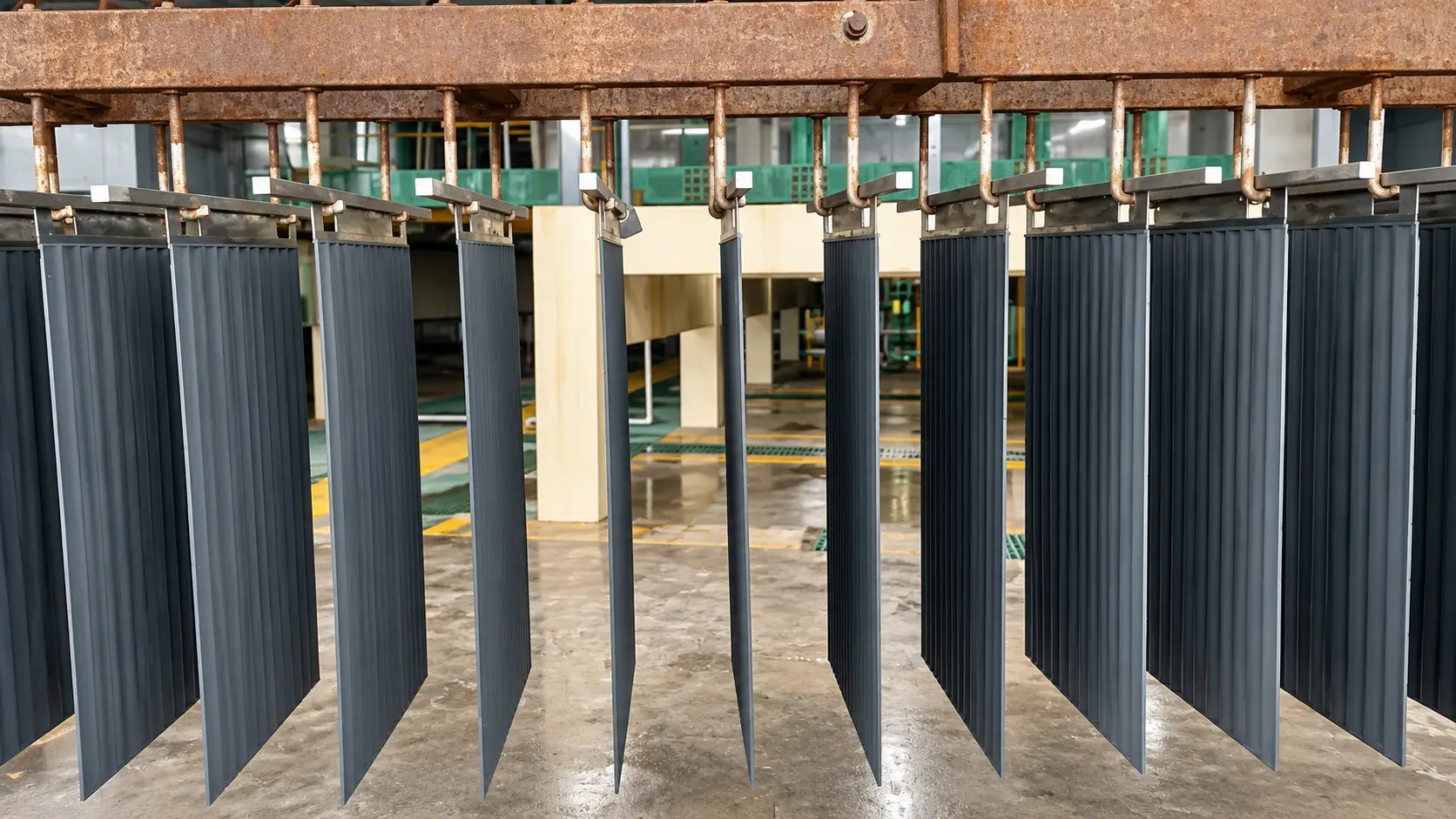
Application 2
Project-specific electrode components for documented deposition or foil-production duties.
Buyer question: What electrolyte, process geometry, current load and surface requirement apply?
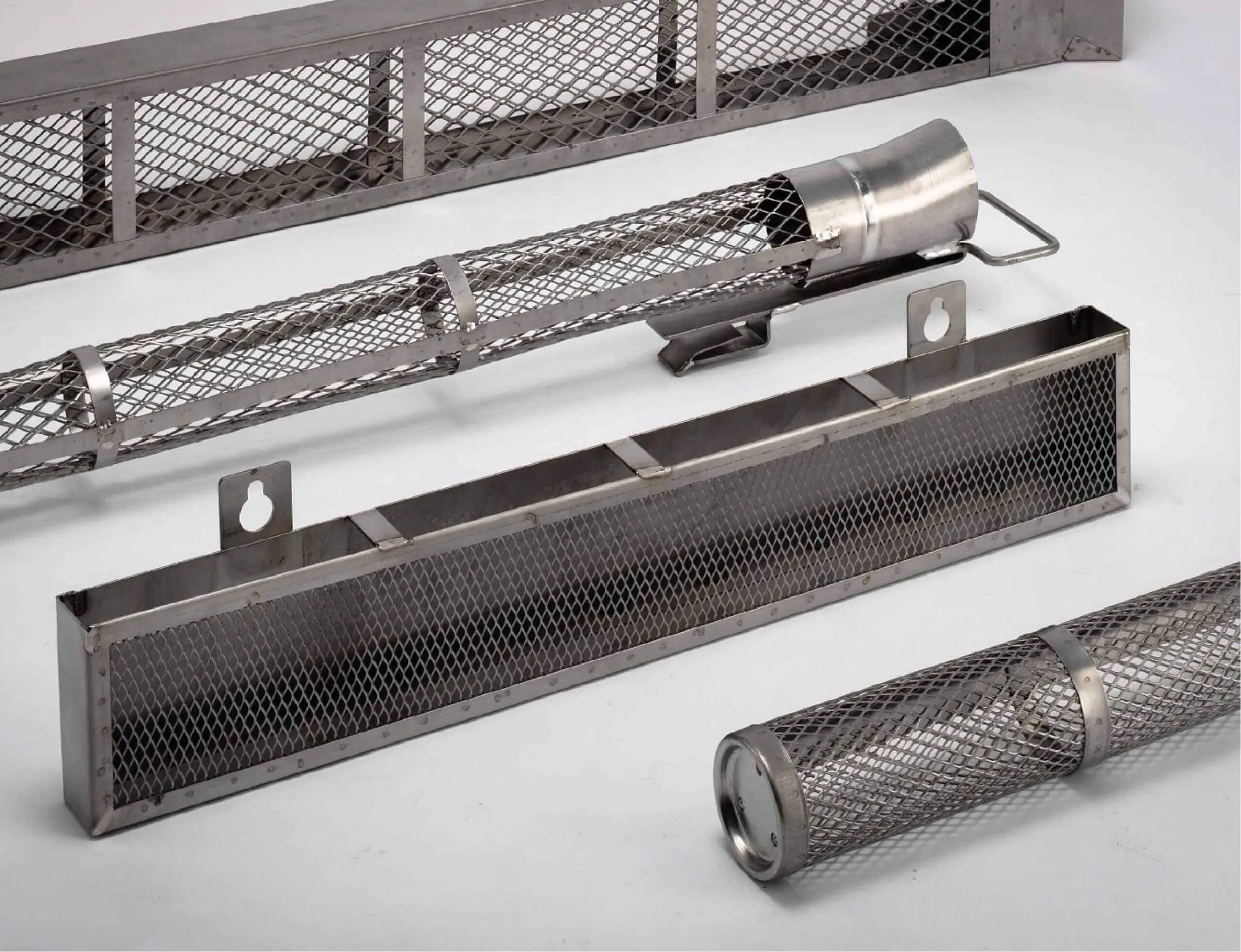
Application 3
Titanium handling and electrical-contact components for plating equipment.
Buyer question: What load, contact, shielding, mesh, bagging, cleaning and replacement requirements apply?
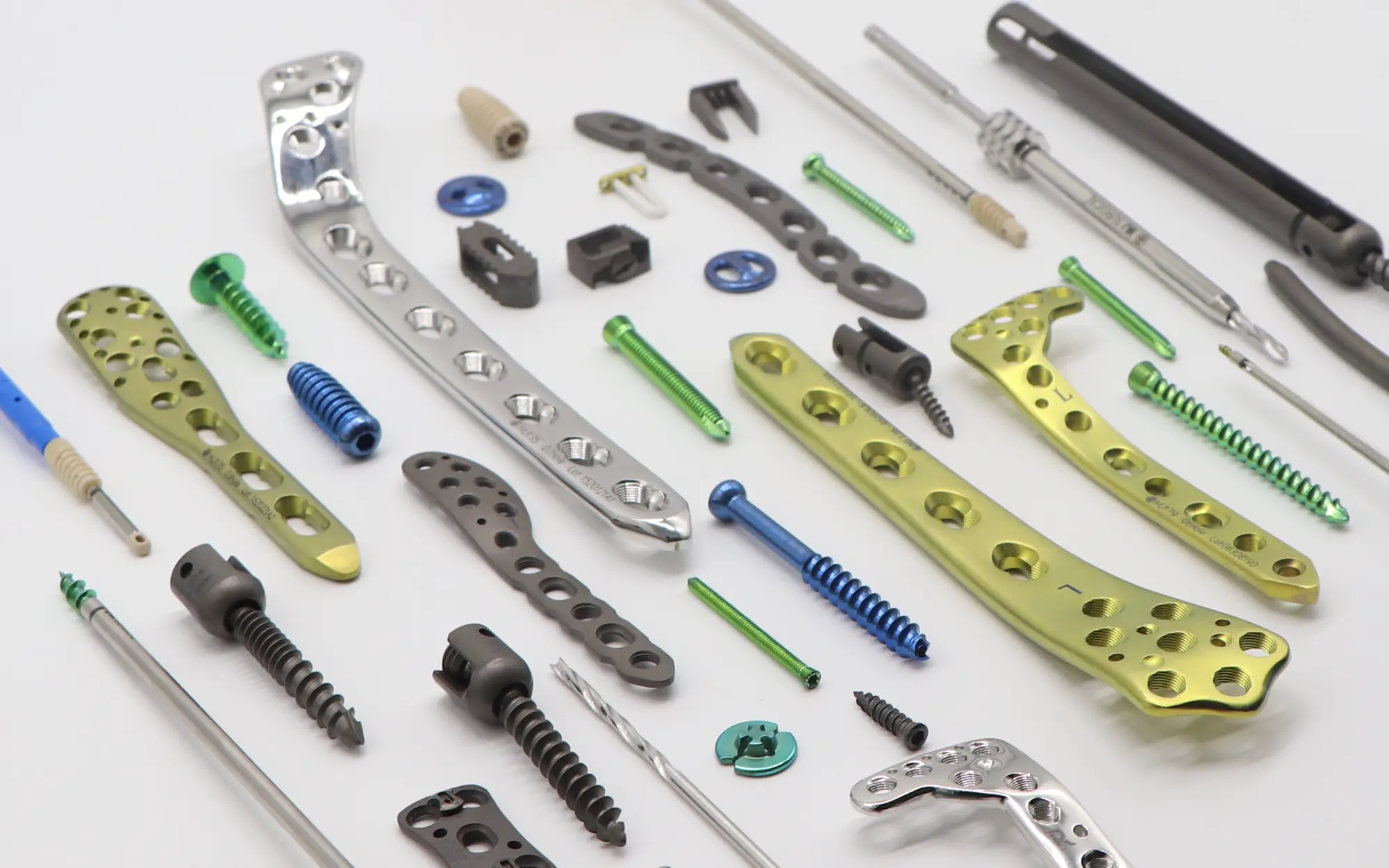
Application 4
Drawing-based titanium parts for electronics-production or electrochemical equipment.
Buyer question: Which tolerances, finish, cleanliness, material and inspection criteria are critical?
Engineering & Procurement Reality
Decision Factor 1
Acid, chloride, additives, contaminants and temperature affect electrode and titanium-component suitability.
Decision Factor 2
Waveform, current density, electrode spacing, shielding and contact design affect deposition uniformity.
Decision Factor 3
Material, finish, cleaning, handling and packaging need defined acceptance criteria.
Decision Factor 4
Geometry, coating, electrical connection, documentation and change control matter for repeat supply.
HELE can review material, component, electrode or system scope only after the parameters and evidence responsibilities are clear.
Potential HELE Scope
The table shows possible relevance and the qualification basis needed before quotation. It does not state that every product is approved for every application.
| Product Family | Industry Relevance | Qualification Basis |
|---|---|---|
| Platinized or MMO Titanium Anodes | Electrode type can be reviewed only after the plating chemistry and reaction are defined. | Bath composition, additives, pH, temperature, waveform, current density, geometry and target life. |
| Titanium Baskets & Fixtures | Baskets, racks, hangers and selected fixtures can be assessed for line layout and handling duty. | Anode material, load, dimensions, mesh, contacts, bagging, cleaning and drawing. |
| Precision Titanium Components | Drawing-based parts can support plating or electronics equipment when material and cleanliness are defined. | Grade, drawing revision, tolerances, finish, cleaning, inspection and quantity. |
Project Inputs
Unknown items can be marked for follow-up. They should not be silently guessed.
Qualification Boundary
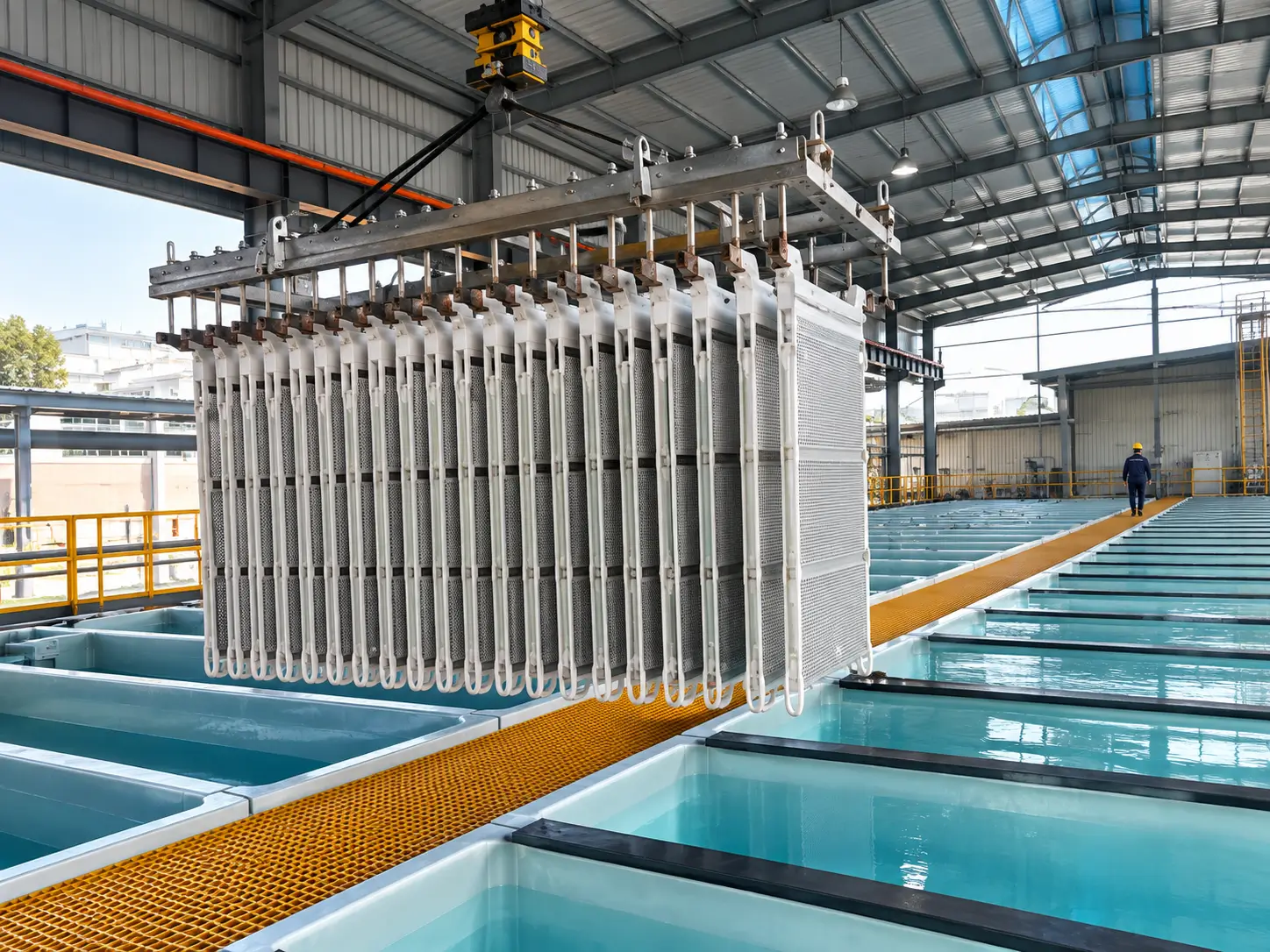
Platinized titanium, MMO, soluble-anode baskets and other configurations serve different electrochemical functions. They should not be treated as interchangeable or selected from the words PCB plating alone.
Prepare for Technical Review
Identify the process, equipment or asset, operating conditions, failure concern and project stage.
Provide drawings, standards, inspection methods, documentation needs and the responsible approval route.
Related Paths
Industry FAQ
The answer depends on the plating reaction, bath chemistry, additives, waveform, current density, geometry, uniformity target and contamination limits.
No. Their suitability depends on the electrochemical duty and operating conditions. They should be reviewed as different electrode systems.
Provide the anode material, basket drawing, dimensions, mesh or perforation, load, hook and contact design, bagging, cleaning and quantity.
A replacement review should include the drawing, substrate, coating if known, bath chemistry, operating data, connection, service history and observed failure mode.
State prohibited residues, cleaning method, surface condition, packaging, handling and inspection criteria rather than relying on the word clean.
For PCB and electronics plating, the same-looking component can perform differently in another bath or current profile. Send the process chemistry, waveform, geometry and performance concern so the inquiry can be routed correctly.
Use the detailed form on this page or email sales@heletitanium.com with the application, operating conditions, drawings and required evidence.