ICCP Anode Installation Planning
Cathodic Protection Engineering

ICCP Anode Installation Configurations

Compare deep groundbed, shallow groundbed, under-tank, reinforced concrete, marine-mounted, distributed linear, and localized ICCP anode installation methods. Hele Titanium helps buyers review suitable MMO anode forms, current output, cable connection, coating requirements, and documentation based on real project conditions.

Deep Groundbed Tank Bottom CP Concrete CP Marine Structures Pipeline CP

ICCP Installation Engineering

Different Structures Require Different ICCP Anode Layouts

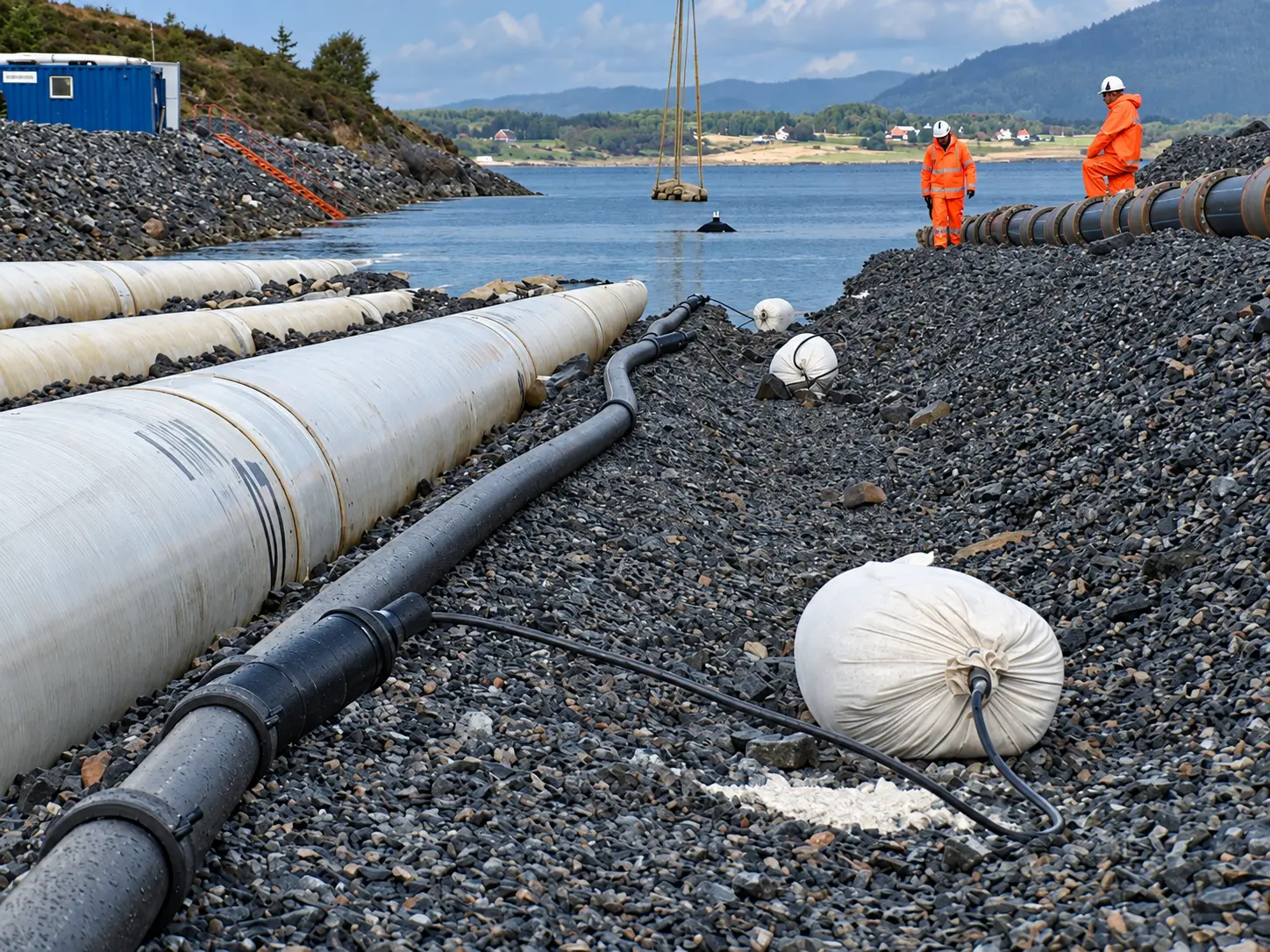
ICCP anode selection is not only about choosing an anode shape. The installation method must match the protected structure, current demand, soil or water resistivity, access conditions, cable route, mechanical exposure, and design life target.

A deep groundbed system for a buried pipeline, an under-tank anode layout for a storage tank, an embedded anode system for reinforced concrete, and a marine-mounted anode for seawater structures all require different design reviews. Hele Titanium supports MMO anode form selection for ICCP projects, including canister, tubular, linear, wire, ribbon, mesh ribbon, disc, and rod anodes. The final recommendation should be reviewed according to project drawings, environment data, current output, installation method, cable connection, and documentation requirements.

Request ICCP Installation Review
Engineer reviewing ICCP drawings

Installation-Based Selection

Choose anode forms based on project environment, not only product shape.

MMO Anode Form Matching

Match canister, tubular, linear, wire, ribbon, mesh ribbon, disc, or rod anodes to the installation method.

Current Output Review

Review total current demand, output per anode, spacing, and design life target.

Project Documentation Support

MTC, coating records, inspection notes, labels, packing documents, and project-specific files can be prepared when required.

Why ICCP Anode Installation Configuration Matters

An ICCP system uses external current to protect steel structures from corrosion. However, the anode does not work alone. Its installation configuration affects current distribution, system resistance, cable reliability, maintenance access, and long-term protection performance. A suitable ICCP anode configuration should help deliver protective current to the target structure in a controlled and practical way.

Design Question Why It Matters Typical Review Items
Where will the anode be installed? The installation environment affects anode form, cable sealing, and mechanical protection. Soil, seawater, concrete, tank foundation, groundbed, or equipment layout.
How much current is required? Current demand affects anode quantity, coating loading, and design life. Total current, output per anode, current density, and operating profile.
How will current reach the structure? Current distribution affects protection uniformity. Anode spacing, distance to structure, resistivity, and current path.
How will the cable be protected? Cable damage or poor sealing can affect long-term system reliability. Cable route, insulation, sealing, strain relief, and junction box location.
How will the system be inspected later? Access affects testing, monitoring, maintenance, and future replacement. Test stations, reference electrodes, access points, and installation records.

Common ICCP Anode Installation Configurations

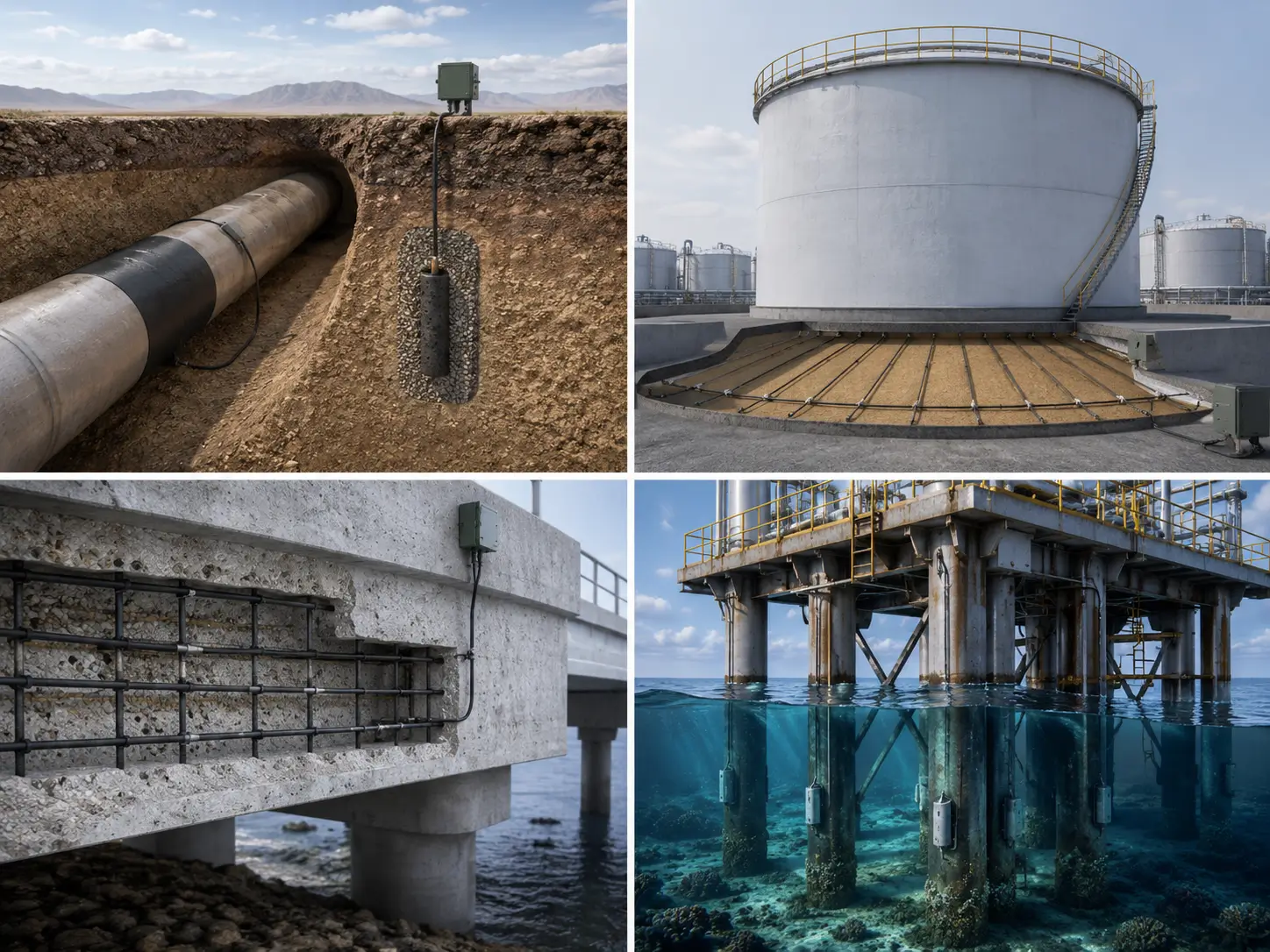
Different ICCP projects use different anode installation methods. Use the guide below to understand which configuration may be suitable for your structure and which MMO anode forms are commonly reviewed.

Deep Groundbed ICCP Anode System

Deep Groundbed

Applications: Buried pipelines, tank farms, underground structures, high-current CP systems.

Forms: Canister, Tubular, Rod Anodes.

Key Factors: Soil resistivity profile, borehole depth, current output, backfill, venting, cable length.

Shallow Groundbed ICCP Anode System

Shallow Groundbed

Applications: Local pipeline sections, tank areas, small-to-medium CP systems.

Forms: Canister, Tubular, Linear Anodes.

Key Factors: Available land area, installation depth, soil resistivity, anode spacing, maintenance access.

Under-Tank ICCP Anode Layout

Under-Tank / Tank Bottom

Applications: Storage tank bottom protection, above-ground storage tanks.

Forms: Ribbon, Mesh Ribbon, Wire, Linear Anodes.

Key Factors: Tank diameter, foundation type, sand resistivity, anode spacing, reference electrode position.

Embedded ICCP Anodes for Concrete

Reinforced Concrete Embedded

Applications: Bridges, parking structures, marine concrete, piers, repair zones.

Forms: Wire, Mesh Ribbon, Ribbon, Disc Anodes.

Key Factors: Concrete resistivity, chloride level, cover depth, current density, overlay material.

Marine-Mounted ICCP Anodes

Marine-Mounted Layout

Applications: Jetties, piers, seawalls, offshore structures, water intake systems.

Forms: Tubular, Disc, Rod Anodes.

Key Factors: Seawater chemistry, mounting brackets, cable sealing, mechanical protection, marine fouling.

Distributed Linear ICCP Anode Layout

Distributed Linear Layout

Applications: Long structures, pipeline corridors, under-slab areas, wide protection zones.

Forms: Linear, Wire, Ribbon, Mesh Ribbon Anodes.

Key Factors: Protected length, current output per meter, anode spacing, environment resistivity.

Choose ICCP Anode Configuration by Project Type

The best ICCP anode installation method depends on the protected structure and operating environment. Use this guide to match common project types with suitable installation configurations.

Buried Pipeline

Configuration: Deep groundbed, shallow groundbed, distributed linear.

Forms: Canister, Tubular, Linear.

Confirm: Length, coating, soil resistivity, current demand, route.

Storage Tank Bottom

Configuration: Under-tank distributed layout.

Forms: Ribbon, Mesh Ribbon, Wire, Linear.

Confirm: Diameter, foundation, sand resistivity, spacing, output.

Reinforced Concrete Structure

Configuration: Embedded, localized layout.

Forms: Wire, Mesh Ribbon, Ribbon, Disc.

Confirm: Resistivity, chlorides, repair area, cover depth, density.

Marine Structure

Configuration: Marine-mounted layout.

Forms: Tubular, Disc, Rod.

Confirm: Seawater exposure, geometry, mounting, cable sealing.

Key Design Parameters for ICCP Anode Installation

A reliable ICCP anode recommendation requires more than the anode model name. The installation configuration should be reviewed together with electrical demand, environment, mechanical exposure, cable route, monitoring plan, and documentation requirements.

Protected Structure

Review whether the project is for a pipeline, tank, concrete structure, marine structure, buried steel, or custom equipment.

Operating Environment

Review soil, concrete, seawater, freshwater, backfill, industrial water, or other conductive environments.

Resistivity / Chemistry

Soil resistivity, concrete resistivity, chloride level, seawater chemistry, or electrolyte data affects anode selection.

Current Demand

Total current, output per anode, current density, and design life target affect coating loading and anode quantity.

Installation Method

Deep groundbed, shallow groundbed, under-tank, embedded, marine-mounted, distributed, or localized layout should be confirmed.

Cable Route & Sealing

Cable length, insulation, sealing, termination, junction box, and mechanical protection should be reviewed.

Monitoring & Access

Reference electrodes, test points, inspection access, and future maintenance requirements should be considered.

Documentation Requirements

MTC, coating records, inspection reports, labels, packing list, and project-specific QC documents can be prepared when required.

Match MMO Anode Forms to ICCP Installation Configurations

MMO anode forms should be selected according to how and where the anode will be installed. The same coating technology may be supplied in different geometries to match groundbed, tank, concrete, marine, distributed, or localized ICCP requirements.

MMO Anode Form Best Installation Fit Typical ICCP Applications Product Page Link
MMO Linear Anode Distributed long-area layout. Tank bottom CP, concrete CP, pipeline corridors, long structures. View MMO Linear Anode →
MMO Wire Anode Flexible embedded or routed layout. Reinforced concrete CP, embedded CP, compact distributed layouts. View MMO Wire Anode →
MMO Ribbon Anode Flat under-tank or long-area layout. Tank bottom protection, concrete CP, long-area current distribution. View MMO Ribbon Anode →
MMO Mesh Ribbon Anode Open mesh embedded or large-area layout. Concrete CP, concrete repair, tank bottom CP, distributed current output. View MMO Mesh Ribbon →
MMO Canister Anode Packaged groundbed installation. Deep groundbed, shallow groundbed, pipeline CP, tank farm CP. View MMO Canister Anode →
MMO Tubular Anode Cylindrical mounted, buried, or seawater-exposed layout. Marine structures, soil CP, tank bottom CP, water intake systems. View MMO Tubular Anode →
MMO Disc Anode Compact localized layout. Localized concrete CP, marine structures, compact protection zones. View MMO Disc Anode →
MMO Rod Anode Compact cylindrical or equipment-integrated layout. Small CP systems, electrochemical cells, pilot systems, custom equipment. View MMO Rod Anode →

Installation Risk Factors to Review Before Ordering ICCP Anodes

Many ICCP system issues are related not only to anode material, but also to installation conditions, cable protection, current distribution, grounding interference, or incomplete project data. Reviewing these factors before production helps improve anode selection and project planning.

Incomplete Soil or Water Data

Without resistivity or water chemistry data, anode quantity, output, and installation configuration may be less reliable.

Incorrect Anode Spacing

Poor spacing can lead to uneven current distribution or ineffective protection zones.

Cable Damage or Poor Sealing

Cable exposure, poor routing, or weak sealing can affect long-term system reliability.

Mechanical Exposure

Marine impact, soil movement, construction activity, or installation damage should be considered.

Poor Access for Inspection

Difficult access may make future testing, monitoring, or maintenance harder.

Wrong Anode Form

A tubular, canister, ribbon, wire, disc, or rod anode should be selected based on the installation configuration, not only price.

Buyer Note: If your project already has a CP design drawing, current demand calculation, soil resistivity report, or installation layout, share it with Hele Titanium for anode form and documentation review.

Quality & Documentation Support for ICCP Anode Projects

ICCP anode project quality depends on titanium substrate condition, MMO coating control, coating loading, dimensional accuracy, cable connection, sealing, packing protection, labeling, and final documentation.

1. Titanium Substrate Review

Titanium tube, wire, ribbon, mesh, disc, rod, or custom substrate is reviewed according to order requirements.

2. MMO Coating Control

Coating formulation, application cycles, drying, thermal treatment, and coating loading are controlled according to project requirements.

3. Dimensional Inspection

Length, diameter, width, coating area, coated length, mounting features, and connection details are checked according to agreed scope.

4. Cable & Sealing Review

Cable length, insulation, sealing, termination, labels, and connection details can be reviewed when required.

5. Packing & Labeling

Anodes are packed according to product form, coating sensitivity, cable protection, destination, and shipment requirement.

6. Project Documentation

MTC, coating records, inspection notes, packing list, product labels, and project-specific QC documents can be prepared when required.

Available Documents May Include:

  • MTC (Material Test Certificate)
  • Coating record
  • Dimensional inspection record
  • Cable / sealing inspection notes when required
  • Visual inspection notes
  • Packing list
  • Product labels
  • Project-specific QC documents
  • Third-party inspection support when required

Explore ICCP Anode Solutions by Application

Different ICCP projects require different installation configurations and anode forms. Continue exploring by selecting the application closest to your project.

ICCP Anodes for Deep Groundbed Systems

For deep well and shallow groundbed systems using canister, tubular, or rod MMO anodes.

View Deep Groundbed ICCP Anodes →

ICCP Anodes for Tank Bottom Protection

For storage tanks and under-tank layouts using ribbon, mesh ribbon, wire, or linear MMO anodes.

View Tank Bottom ICCP Anodes →

ICCP Anodes for Reinforced Concrete Protection

For bridges, piers, decks, and chloride-contaminated concrete using wire, mesh ribbon, ribbon, or disc anodes.

View Concrete ICCP Anodes →

ICCP Anodes for Marine Structures

For jetties, piers, harbors, seawalls, offshore structures, and water intake systems using tubular, disc, or rod anodes.

View Marine ICCP Anodes →

ICCP Anodes for Pipelines & Buried Structures

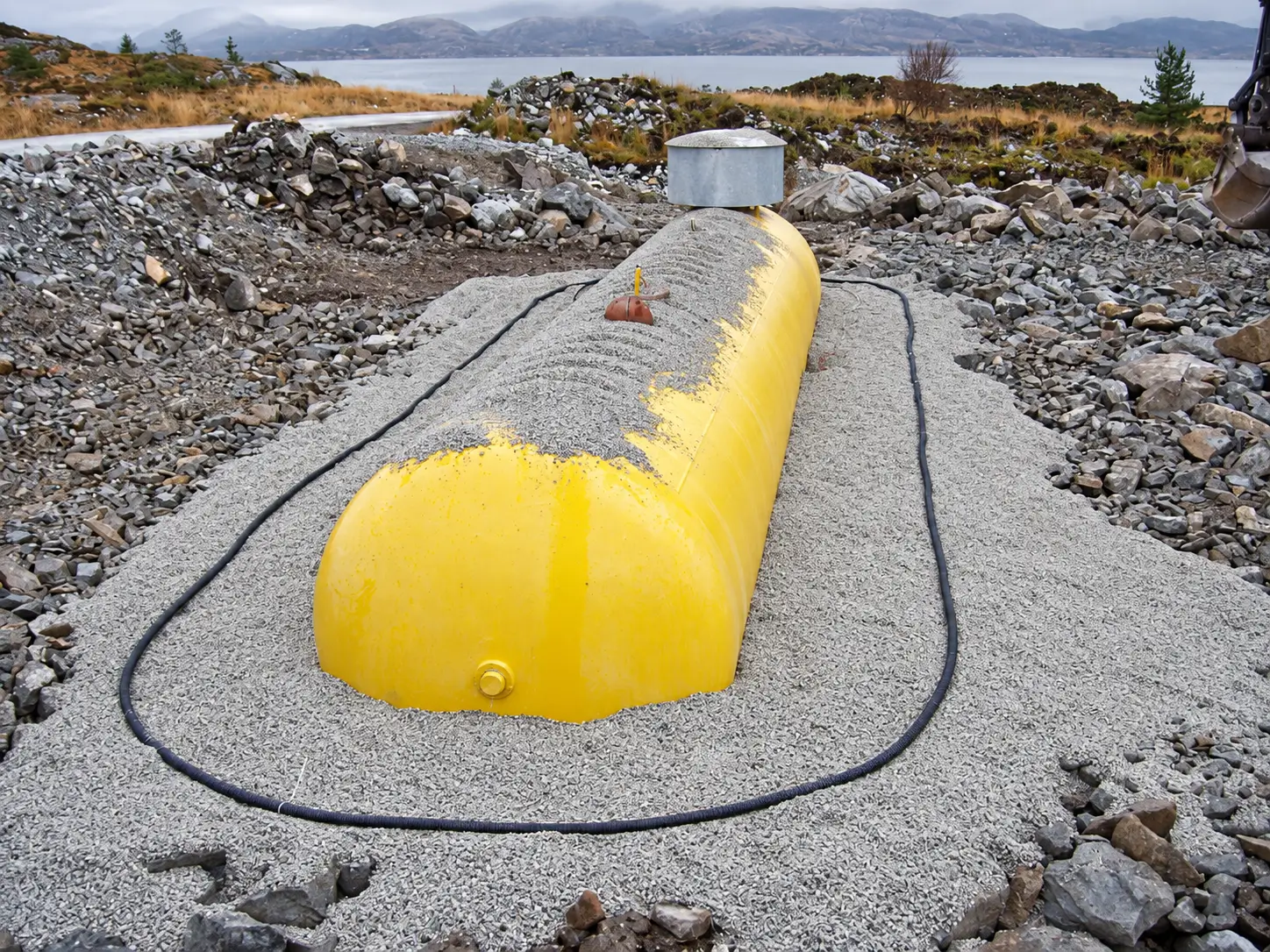
For pipelines, underground tanks, buried steel structures, and remote groundbed systems using canister, tubular, or linear anodes.

View Pipeline & Buried Structure ICCP Anodes →

ICCP Anode Installation Configuration FAQ

What are the main ICCP anode installation configurations?
Common configurations include deep groundbed, shallow groundbed, under-tank distributed layout, reinforced concrete embedded layout, marine-mounted layout, distributed linear layout, and localized layout. The choice depends on structure type, environment, current demand, installation layout, and design life target.
How do I choose between deep groundbed and shallow groundbed anodes?
Deep groundbeds are typically used for long pipelines or large structures where surface area is limited, or when low-resistivity soil is deep underground. Shallow groundbeds are used when deep drilling is impractical, for localized pipeline sections, or when favorable soil resistivity is near the surface.
What anode forms are used for tank bottom ICCP systems?
Under-tank configurations commonly use MMO ribbon anodes, MMO mesh ribbon anodes, MMO wire anodes, or MMO linear anodes installed in a grid or concentric ring layout in the sand pad beneath the tank.
What anode forms are used for reinforced concrete ICCP systems?
For concrete embedded layouts, MMO wire anodes, MMO mesh ribbon anodes, MMO ribbon anodes, or localized MMO disc anodes are commonly used, depending on whether it is a new build, a repair zone, or a surface overlay application.
What anode forms are used for marine ICCP systems?
Marine-mounted configurations typically utilize MMO tubular anodes, MMO disc anodes, or MMO rod anodes due to their robust geometry, which can be securely mounted to jetties, piers, or offshore structures.
What is the difference between MMO canister anodes and MMO tubular anodes?
An MMO tubular anode is the bare coated titanium tube. An MMO canister anode is a tubular anode pre-packaged inside a galvanized steel or fabric canister filled with carbon backfill, designed specifically for rapid groundbed installation.
When should linear anodes be used in ICCP systems?
Linear anodes are ideal for distributed layouts where current needs to be delivered evenly along a long structure, such as parallel to a pipeline in a rocky trench, under tank bottoms, or along extensive concrete structures.
What information is needed for ICCP anode selection?
Selection depends on structure type, operating environment (soil/water/concrete), resistivity or water chemistry, current demand, installation layout, cable routing, and design life target.
Why is soil resistivity important for ICCP anode design?
Soil resistivity determines the circuit resistance. High resistivity requires more driving voltage or a larger active anode area (more anodes or longer anodes) to deliver the required current without exceeding power supply limits.
Why is cable sealing important for ICCP anode installation?
The connection between the titanium anode and the copper cable is vulnerable to moisture ingress. If moisture reaches the connection, rapid anodic dissolution of the copper will occur, leading to premature system failure. Proper sealing is critical.
Can Hele Titanium help review anode form selection?
Yes. By providing your project drawings, environment data, current output requirements, and installation method, Hele Titanium can review and recommend suitable MMO anode forms according to project requirements.
What documents can be provided for ICCP anode projects?
Documents can include Material Test Certificates (MTC), coating records, dimensional inspection records, visual inspection notes, packing lists, labels, and project-specific QC documents when required.

Get Your ICCP Anode Installation Recommendation

Tell us your protected structure, installation environment, current demand, soil or water data, design life target, installation method, cable route, and documentation requirements. Hele Titanium will help review suitable MMO anode forms and ICCP installation configuration options for your project.

  • ICCP Anode Form Selection Support

    Matching anode geometries to your specific installation layout.

  • Deep Groundbed, Tank Bottom, Concrete, Marine and Pipeline Applications

    Reviewing specialized environments and structures.

  • Current Output, Cable Connection and Coating Review

    Ensuring technical parameters align with project demands.

  • Factory-Direct MMO Anode Manufacturing and Documentation

    Full traceability and quality control according to agreed specifications.

Direct Contact:

sales@heletitanium.com

Room 1206, Building 1, Huaxia Yue World

Request ICCP Installation Review

Your information is secure. We will respond with an engineering review within 24 hours.