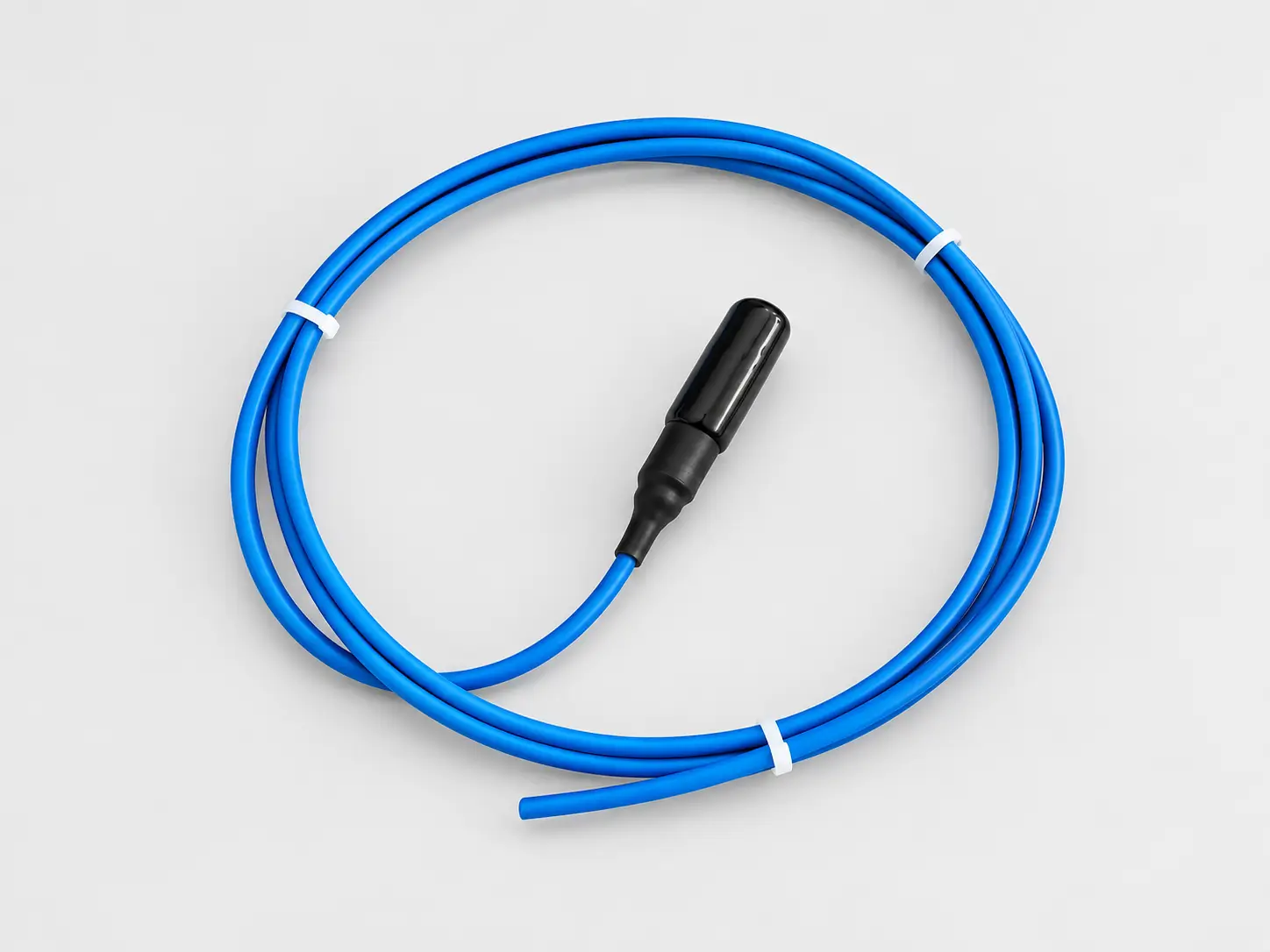
MnO₂ Reference Electrode for Reinforced Concrete CP Monitoring
Custom MnO₂ reference electrodes for reinforced concrete cathodic protection monitoring, embedded potential measurement, bridge decks, marine concrete structures, parking structures, piers, wharves, concrete repair zones, and long-term rebar corrosion monitoring.
Embedded Concrete Potential Monitoring Starts with the Right Reference Electrode
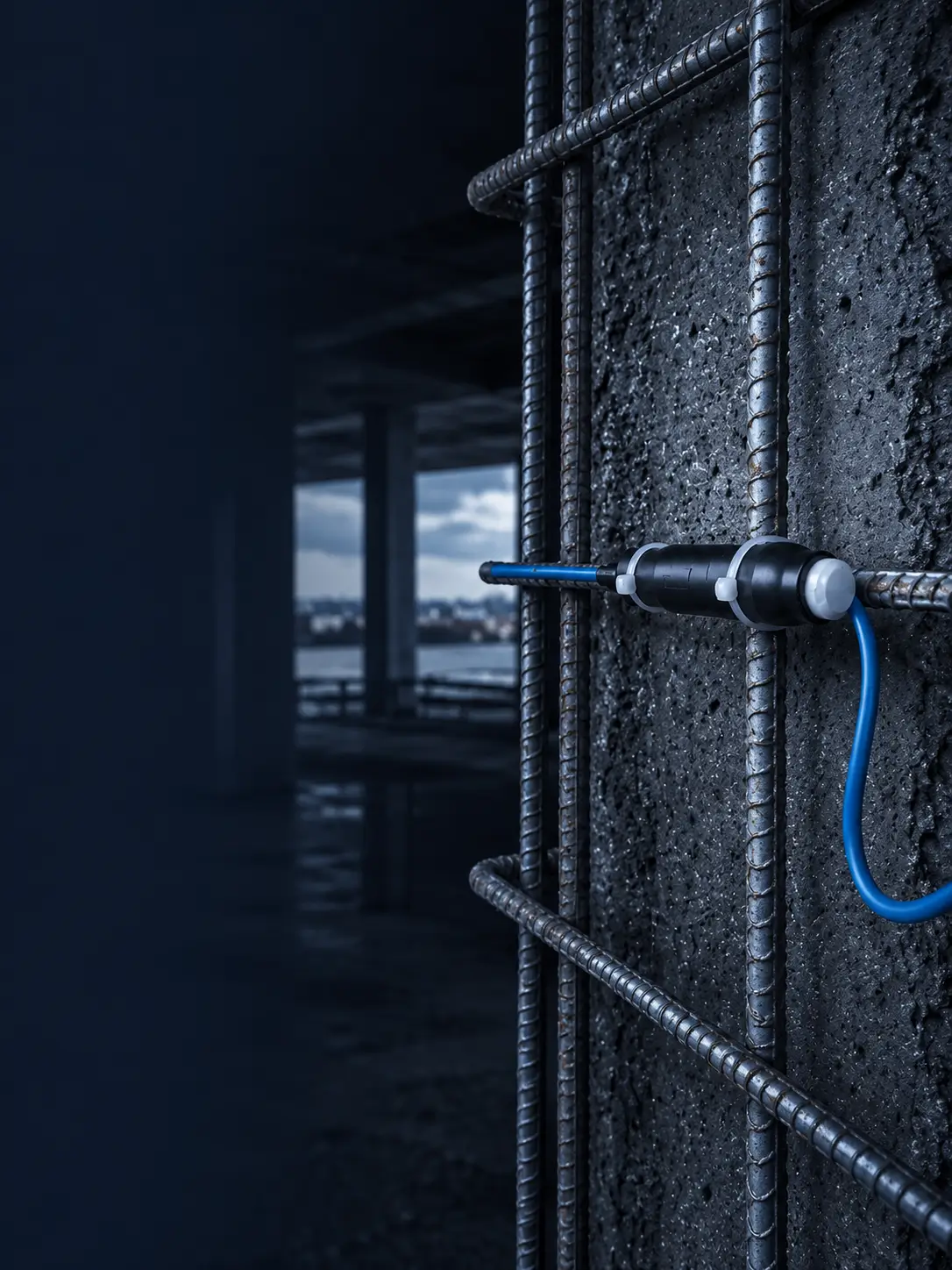
MnO₂ reference electrodes are commonly used for potential monitoring in reinforced concrete cathodic protection systems. They provide a reference point for measuring the potential of embedded steel reinforcement during commissioning, operation, inspection, and long-term monitoring.
In concrete CP projects, reference electrode selection should be reviewed according to concrete resistivity, chloride contamination, cover depth, repair material, embedment location, cable route, monitoring system, installation method, and project documentation requirements.
Hele Titanium supports custom MnO₂ reference electrodes for permanent embedded concrete monitoring applications, including cable-connected designs, protective housings, embedment configurations, labels, packing, and project-specific documentation according to customer requirements.
Request MnO₂ Reference Electrode Review
Concrete CP Monitoring Focus
MnO₂ reference electrodes can be reviewed for reinforced concrete CP, bridge decks, piers, parking structures, and repair zones.
Embedded Installation Support
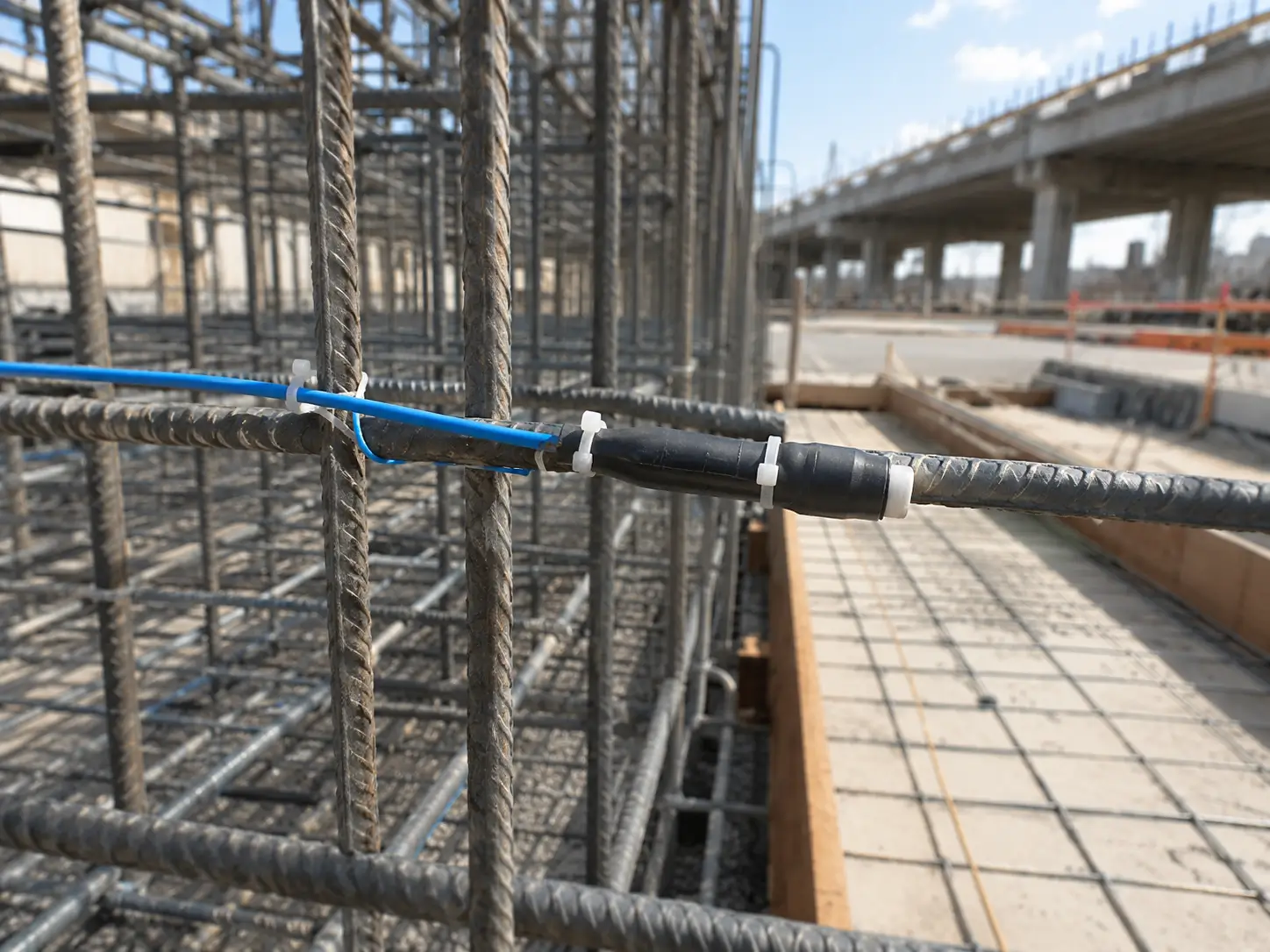
Reference electrodes can be configured for permanent embedment in concrete, repair mortar, overlay systems, or monitoring zones.
Cable & Housing Customization
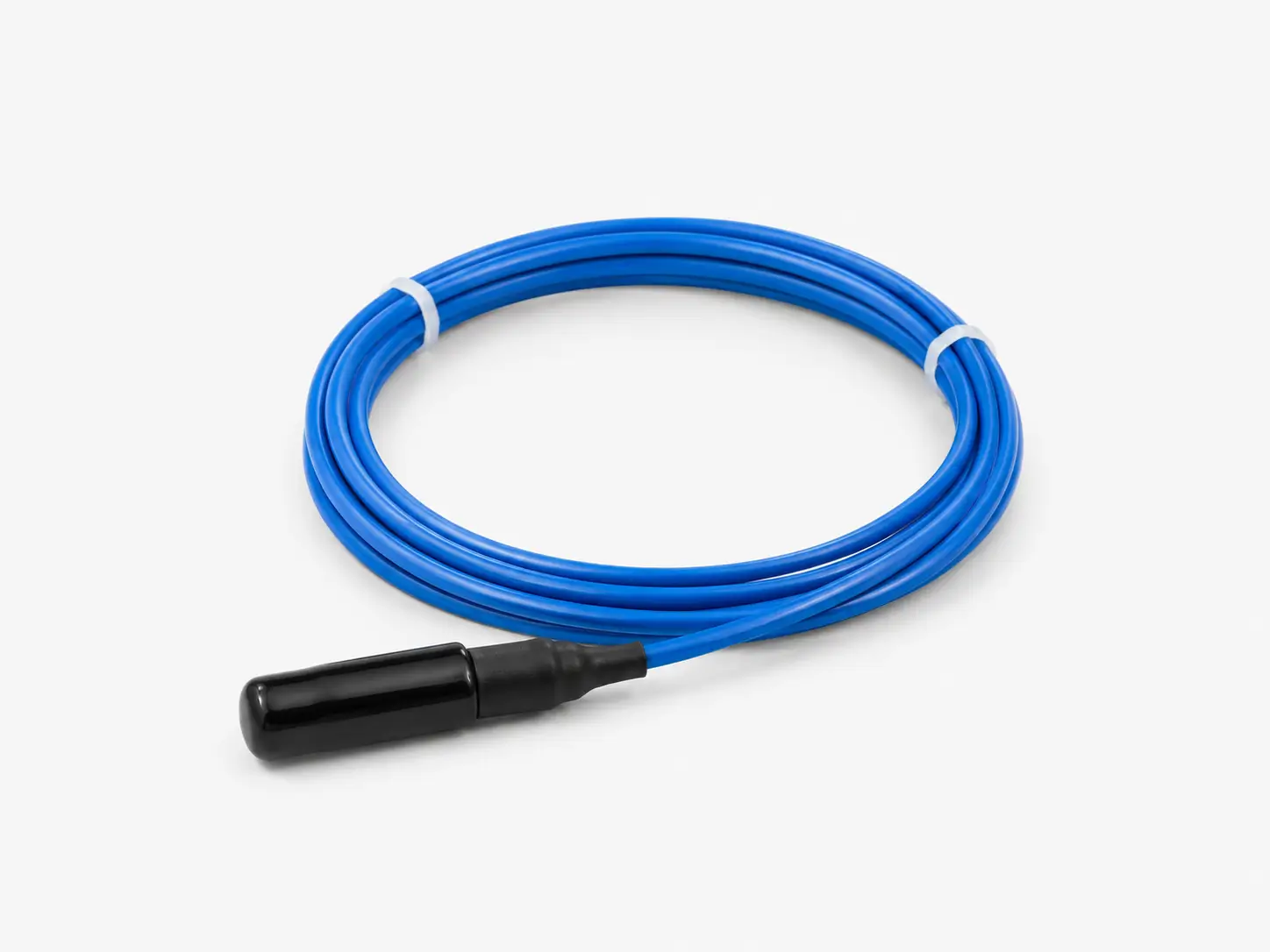
Cable length, connector type, housing structure, embedment design, and identification labels can be customized when required.
Documentation & Export Support
Product specifications, inspection notes, labels, packing list, and project documents can be prepared according to agreed scope.
What Is a MnO₂ Reference Electrode?
A MnO₂ reference electrode, also called a manganese dioxide reference electrode, is used as a reference point for electrochemical potential measurement in reinforced concrete cathodic protection systems. It helps engineers monitor the potential of embedded steel reinforcement relative to a stable reference electrode.
MnO₂ reference electrodes are commonly reviewed for concrete CP projects because they can be embedded within concrete repair zones, bridge decks, marine concrete structures, parking structures, piers, wharves, and other reinforced concrete structures requiring long-term potential monitoring.
A MnO₂ reference electrode does not provide protection current. It supports measurement, monitoring, commissioning, and evaluation of the cathodic protection system.
MnO₂ reference electrode selection should be reviewed according to concrete condition, chloride level, concrete resistivity, cover depth, installation zone, cable length, monitoring equipment, embedment method, and documentation requirements.
| Feature | What It Means | Why It Matters |
|---|---|---|
| Manganese Dioxide Chemistry | The electrode uses an MnO₂ reference system. | This chemistry is commonly reviewed for embedded reinforced concrete monitoring applications. |
| Reference Measurement Function | The electrode provides a reference point for potential readings. | It supports CP system commissioning, monitoring, and performance evaluation. |
| Embedded Concrete Application | The electrode can be installed inside concrete, repair mortar, or overlay areas. | Embedment method and location affect monitoring usefulness and installation reliability. |
| Cable-Connected Design | The electrode connects to a monitoring system, test point, junction box, or data logger. | Cable length, insulation, sealing, and labeling affect installation and future monitoring. |
MnO₂ Reference Electrode Options We Supply
Different MnO₂ reference electrode configurations are used depending on concrete structure type, embedment method, cable route, monitoring plan, and project requirements. Hele Titanium can support standard and custom reference electrode options for reinforced concrete CP monitoring.
Permanent MnO₂ Reference Electrode
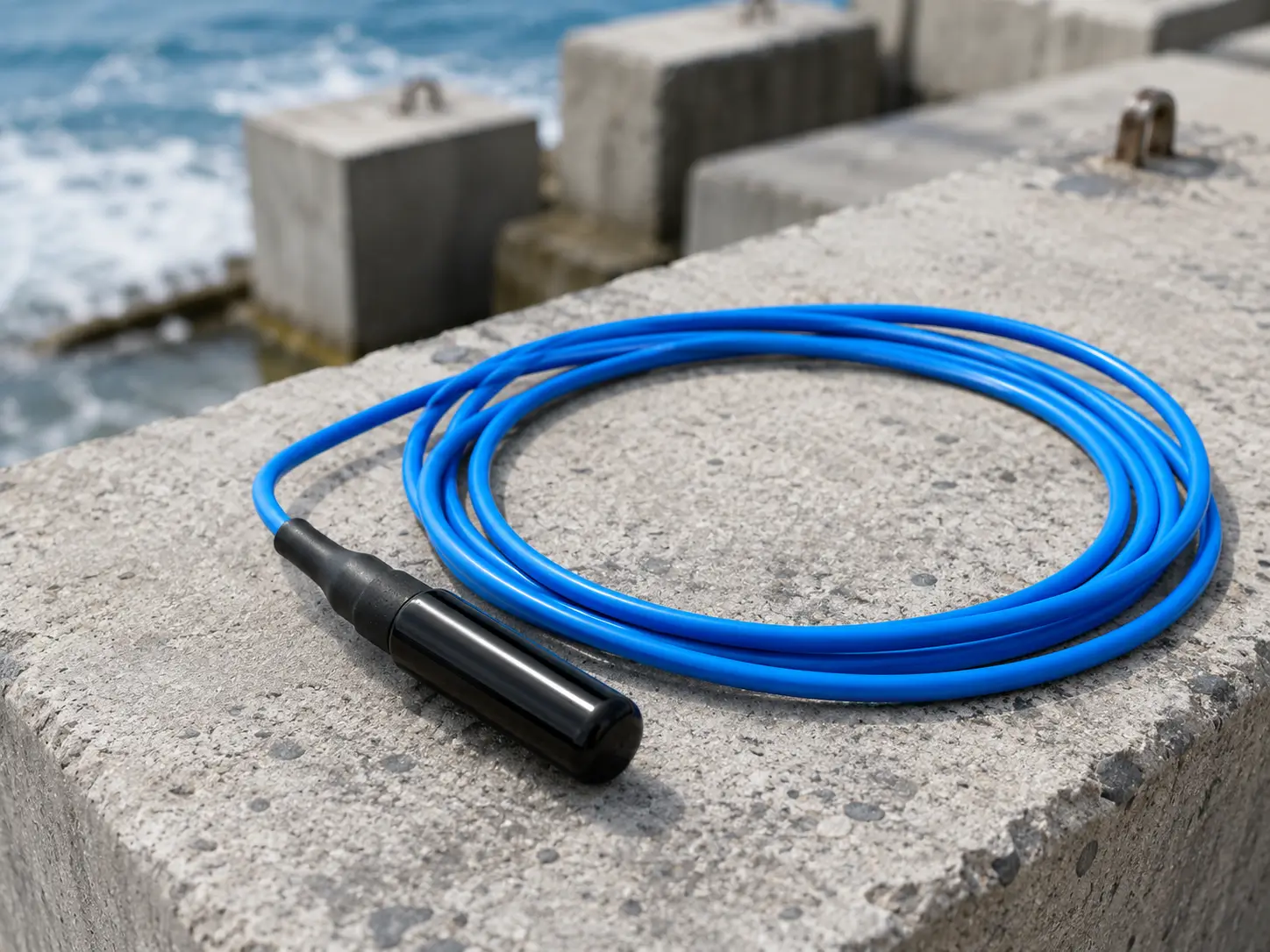
Cable-connected MnO₂ reference electrode for fixed embedment in reinforced concrete CP monitoring systems.
Embedded Concrete MnO₂ Reference Electrode
MnO₂ reference electrode designed for installation inside concrete, repair mortar, grout, or overlay systems.
Bridge Deck MnO₂ Reference Electrode
Reference electrode configuration for bridge deck cathodic protection and long-term potential monitoring.
Marine Concrete MnO₂ Reference Electrode
MnO₂ reference electrode for marine concrete structures exposed to chlorides, moisture, tidal zones, or splash zones.
Custom Housing MnO₂ Reference Electrode
Project-specific MnO₂ reference electrode with customized housing, cable length, embedment structure, and identification design.
OEM MnO₂ Reference Electrode Assembly
Customized MnO₂ reference electrode assemblies for CP system suppliers, monitoring equipment brands, and concrete repair specialists.
Where MnO₂ Reference Electrodes Are Commonly Used
MnO₂ reference electrodes are commonly reviewed for reinforced concrete monitoring environments where embedded steel potential needs to be measured. The final configuration should be selected according to structure type, concrete condition, repair method, cable route, and monitoring requirements.
| Application | Why MnO₂ May Fit | Key Review Factors |
|---|---|---|
| Reinforced Concrete CP Systems | MnO₂ reference electrodes can provide embedded monitoring points for concrete CP system commissioning and operation. | Concrete resistivity, chloride level, cover depth, rebar layout, cable route, and monitoring system. |
| Bridge Decks and Highway Structures | Bridge decks may require embedded reference electrodes to monitor CP performance in repair or overlay zones. | Deck area, chloride contamination, overlay material, traffic restrictions, cable routing, and test point layout. |
| Marine Concrete Piers and Wharves | Marine concrete structures are exposed to chlorides and moisture, making potential monitoring important for CP review. | Tidal zone, splash zone, chloride level, embedment position, cable protection, and inspection access. |
| Parking Structures | Parking decks and ramps exposed to deicing salts may require embedded monitoring for concrete CP systems. | Slab thickness, chloride exposure, repair area, cable route, monitoring point location, and accessibility. |
| Concrete Repair and Rehabilitation Zones | Reference electrodes can be installed within repair mortar, overlay systems, or patch repair areas for monitoring. | Repair material, embedment depth, rebar continuity, cable exit, and installation sequence. |
| Concrete Columns, Beams and Walls | Localized or distributed monitoring points can be reviewed for vertical or structural concrete members. | Member geometry, cover depth, cable route, repair area, mechanical protection, and monitoring access. |
Reinforced Concrete CP Systems
Why MnO₂ May Fit: MnO₂ reference electrodes can provide embedded monitoring points for concrete CP system commissioning and operation.
Key Review Factors: Concrete resistivity, chloride level, cover depth, rebar layout, cable route, and monitoring system.
Bridge Decks and Highway Structures
Why MnO₂ May Fit: Bridge decks may require embedded reference electrodes to monitor CP performance in repair or overlay zones.
Key Review Factors: Deck area, chloride contamination, overlay material, traffic restrictions, cable routing, and test point layout.
Marine Concrete Piers and Wharves
Why MnO₂ May Fit: Marine concrete structures are exposed to chlorides and moisture, making potential monitoring important for CP review.
Key Review Factors: Tidal zone, splash zone, chloride level, embedment position, cable protection, and inspection access.
Parking Structures
Why MnO₂ May Fit: Parking decks and ramps exposed to deicing salts may require embedded monitoring for concrete CP systems.
Key Review Factors: Slab thickness, chloride exposure, repair area, cable route, monitoring point location, and accessibility.
Concrete Repair and Rehabilitation Zones
Why MnO₂ May Fit: Reference electrodes can be installed within repair mortar, overlay systems, or patch repair areas for monitoring.
Key Review Factors: Repair material, embedment depth, rebar continuity, cable exit, and installation sequence.
Concrete Columns, Beams and Walls
Why MnO₂ May Fit: Localized or distributed monitoring points can be reviewed for vertical or structural concrete members.
Key Review Factors: Member geometry, cover depth, cable route, repair area, mechanical protection, and monitoring access.
Is MnO₂ the Right Reference Electrode for Your Concrete CP Project?
MnO₂ reference electrodes are commonly selected for reinforced concrete monitoring, but they are not the best choice for every CP environment. Selection should be reviewed according to concrete condition, chloride exposure, embedment method, monitoring duration, and system design.
MnO₂ Reference Electrodes Are Commonly Reviewed For
- Reinforced concrete CP monitoring
- Embedded concrete potential measurement
- Bridge deck CP systems
- Marine concrete structures
- Parking structures
- Concrete repair zones
- Chloride-contaminated concrete
- Concrete overlay systems
- Piers, wharves, and seawalls
- Long-term rebar potential monitoring
Review Carefully If Your Project Is
- Seawater immersion monitoring
- Ship hull CP monitoring
- Offshore steel structure monitoring
- Soil or buried pipeline CP monitoring
- Underground tank monitoring
- Freshwater electrochemical testing
- Unknown concrete condition
- Severe cracking or poor repair material compatibility
- Application requiring Ag/AgCl reference electrode
- Application requiring Cu/CuSO₄ reference electrode
MnO₂ Reference Electrode Technical Specifications
MnO₂ reference electrode specifications should be confirmed according to concrete application, electrode type, housing material, cable length, connector, embedment method, monitoring system, and documentation requirements.
| Parameter | Typical Options / Review Items |
|---|---|
| Electrode Type | MnO₂ reference electrode, manganese dioxide reference electrode, permanent embedded type, or custom monitoring electrode |
| Application Environment | Reinforced concrete, repair mortar, overlay system, bridge deck, marine concrete, parking structure, or project-specific concrete environment |
| Installation Type | Permanent embedded installation, repair-zone installation, overlay embedment, test point connection, or custom mounting |
| Housing Material | Cement-compatible housing, polymer housing, porous body, PVC, ABS, POM, or project-specified housing material when required |
| Cable Length | Custom cable length according to monitoring point distance and test station / junction box layout |
| Cable Specification | Insulation material, core type, shielding requirement, diameter, and project-specific cable requirement |
| Connector / Termination | Bare wire, terminal, plug connector, junction box connection, test station connection, or custom interface |
| Embedment Method | Embedded in concrete, repair mortar, overlay, groove, patch repair zone, or project-specific installation |
| Operating Condition | Concrete resistivity, chloride level, moisture condition, temperature, cover depth, and repair material compatibility to be reviewed |
| Monitoring Interface | Voltmeter, data logger, test station, CP monitoring panel, remote monitoring system, or customer-specified system |
| Packing | Individual packing, protective packing, labeled packing, export carton, or project-specific packing |
| Documentation | Product specification, inspection notes, cable record, packing list, labels, and project documents when required |
Note: Final specifications should be confirmed according to project drawings, concrete condition, monitoring layout, cable route, embedment method, and customer standard.
Custom MnO₂ Reference Electrodes Built Around Your Concrete Monitoring Layout
MnO₂ reference electrode design should be reviewed according to concrete structure type, monitoring purpose, embedment method, cable length, housing design, repair material, monitoring interface, and documentation requirements.
WHAT WE NEED FROM YOU
- • Application & Structure type
- • Concrete condition / Chloride level
- • Permanent embedment location
- • Cable length & Connector requirement
- • Embedment method / Repair drawing
- • Monitoring system interface
- • Quantity & Documentation requirement
1. Concrete Application Review
Review bridge deck, marine concrete, parking structure, repair zone, column, beam, wall, or embedded monitoring application.
2. Embedment & Housing Review
Review housing design, embedment depth, repair material compatibility, dimensions, and installation sequence.
3. Cable & Connector Design
Customize cable length, insulation, connector, termination, sealing, label, and test station interface.
4. Concrete Condition Review
Review chloride level, concrete resistivity, cover depth, moisture condition, cracking, and repair environment.
5. Monitoring System Compatibility
Review whether the electrode connects to test stations, data loggers, CP monitoring panels, or remote monitoring systems.
6. Packing & Documentation Support
Support labels, packing list, product specifications, inspection notes, export packing, and project files when required.
MnO₂ vs Other Reference Electrodes
Different reference electrodes are used for different monitoring environments. MnO₂ reference electrodes are commonly reviewed for reinforced concrete CP monitoring, while other reference electrodes may be more suitable for seawater, rugged marine monitoring, or soil applications.
| Reference Electrode Type | Common Application Environment | Related Page |
|---|---|---|
| MnO₂ Reference Electrode | Reinforced concrete CP monitoring, bridge decks, marine concrete, parking structures, concrete repair zones, and embedded concrete applications. | Current Page |
| Ag/AgCl Reference Electrode | Seawater, marine CP, offshore structures, ship hulls, seawater intake systems, chloride-containing electrolytes. | View Ag/AgCl Reference Electrode → |
| Zinc Reference Electrode | Selected seawater, rugged marine monitoring, offshore structures, ship hulls, and submerged CP monitoring where zinc reference is specified. | View Zinc Reference Electrode → |
| Cu/CuSO₄ Permanent Reference Electrode | Soil, buried pipelines, tank bottoms, underground tanks, and buried structure CP monitoring. | View Cu/CuSO₄ Permanent Reference Electrode → |
Installation Considerations for MnO₂ Reference Electrodes
Proper installation helps MnO₂ reference electrodes support useful concrete potential monitoring. Embedment position, concrete contact, cable routing, repair material, test station access, and monitoring interface should be reviewed before installation.
| Installation Factor | Why It Matters |
|---|---|
| Embedment Position | Electrode location affects the potential reading and should match the concrete CP monitoring plan. |
| Concrete Contact | Good contact with the surrounding concrete, mortar, or overlay material supports useful measurement. |
| Cable Routing | Cable route should be protected from mechanical damage during concrete repair, overlay placement, and long-term operation. |
| Repair Material Compatibility | Repair mortar, grout, overlay, or concrete material should be reviewed for installation compatibility. |
| Cover Depth and Rebar Layout | Concrete cover, rebar position, and electrical continuity affect monitoring point planning. |
| Connector / Termination | Connector or terminal type should match the test station, data logger, or monitoring panel. |
| Inspection Access | Access to cable ends, test stations, or junction boxes supports future monitoring and troubleshooting. |
| Installation Records | Cable labels, electrode location records, and drawings support traceability and future review. |
Quality Control for MnO₂ Reference Electrodes
MnO₂ reference electrode quality depends on electrode assembly, housing condition, cable connection, sealing, dimensional accuracy, surface condition, label identification, packing protection, and final documentation.
1. Electrode Assembly Review
MnO₂ electrode element, internal structure, and assembly requirements are reviewed according to order specification.
2. Housing & Dimension Check
Housing material, size, embedment interface, probe length, and overall dimensions are checked according to agreed scope.
3. Cable & Connector Review
Cable length, insulation, connector type, termination, sealing, and labeling are reviewed when required.
4. Surface & Visual Review
Surface condition, housing condition, cable appearance, marking, and handling condition are reviewed according to inspection scope.
5. Packing & Labeling
Reference electrodes are packed according to product sensitivity, cable protection, destination, and shipment requirement.
6. Project Documentation
Product specifications, inspection notes, packing list, labels, cable records, and project-specific documents can be prepared when required.
Available Documents May Include:
- • Product specification sheet
- • Dimensional inspection record
- • Cable / connector inspection notes
- • Visual inspection notes
- • Packing list
- • Product labels
- • Project-specific QC documents
- • Third-party inspection support
Related Reference Electrode Products
MnO₂ reference electrodes are commonly reviewed for reinforced concrete CP monitoring. Depending on the application environment, other reference electrode types may also be more suitable.
Ag/AgCl Reference Electrode
Reference electrode for seawater, marine CP, offshore structures, ship hulls, and chloride-containing electrochemical systems.
View Ag/AgCl Reference Electrode →Zinc Reference Electrode
Reference electrode for selected seawater and rugged marine CP monitoring applications where zinc reference electrodes are specified.
View Zinc Reference Electrode →Cu/CuSO₄ Permanent Reference Electrode
Permanent reference electrode for soil, buried pipelines, tank bottoms, underground tanks, and buried structure CP monitoring.
View Cu/CuSO₄ Reference Electrode →Reference Electrode Category
Compare reference electrode types by environment, application, installation method, cable design, and monitoring requirements.
View Reference Electrodes →Reinforced Concrete ICCP Anodes
Explore MMO anode solutions for reinforced concrete CP systems where MnO₂ reference electrodes may be used for embedded monitoring.
View ICCP Anodes for Reinforced Concrete Protection →Explore Related Cathodic Protection Applications
If you are selecting reference electrodes for a complete CP system, explore the related application pages below to compare anode systems, monitoring environments, and project data requirements.
ICCP Anodes for Reinforced Concrete Protection
For bridge decks, piers, parking structures, chloride-contaminated concrete, and concrete CP systems.
View Concrete ICCP Anodes →ICCP Anode Installation Configurations
Compare deep groundbed, tank bottom, concrete, marine, pipeline, and localized ICCP layouts.
View ICCP Installation Configurations →ICCP Anodes for Marine Structures
For seawater and marine CP systems where Ag/AgCl or zinc reference electrodes may be reviewed.
View Marine ICCP Anodes →ICCP Anodes for Pipelines & Buried Structures
For buried pipeline, underground tank, soil, and buried steel structure CP systems where Cu/CuSO₄ electrodes may be reviewed.
View Pipeline & Buried Structure ICCP Anodes →MnO₂ Reference Electrode FAQ
What is a MnO₂ reference electrode?
Where are MnO₂ reference electrodes commonly used?
Is a MnO₂ reference electrode suitable for reinforced concrete CP monitoring?
Is a reference electrode the same as an anode?
What is the difference between MnO₂ and Ag/AgCl reference electrodes?
What is the difference between MnO₂ and Cu/CuSO₄ reference electrodes?
Can MnO₂ reference electrodes be embedded in concrete?
Can MnO₂ reference electrodes be used for bridge deck CP monitoring?
Can cable length and termination type be customized?
What information is needed for a MnO₂ reference electrode quote?
What affects reference electrode selection in concrete?
What documents can be provided with MnO₂ reference electrodes?
Get Your Custom MnO₂ Reference Electrode Recommendation
Tell us your concrete structure type, monitoring environment, concrete condition, chloride level or concrete resistivity if available, embedment method, cable length, termination type, monitoring system, quantity, and documentation needs. Hele Titanium will help review suitable MnO₂ reference electrode configurations for your reinforced concrete CP monitoring project.
MnO₂ Reference Electrode Supply Support
Configured for reinforced concrete CP monitoring.
Embedded Concrete and Permanent Monitoring Options
Designed for bridge decks, marine concrete, and repair zones.
Cable, Housing, Termination and Embedment Customization
Tailored to your monitoring layout and test stations.
Factory-Direct Export Packing and Documentation Support
Inspection notes, labels, and project files when required.
Contact directly:
sales@heletitanium.com
Room 1206, Building 1, Huaxia Yue World